Sambucus sieboldiana var. pendula
(Nakai) T. B. Lee
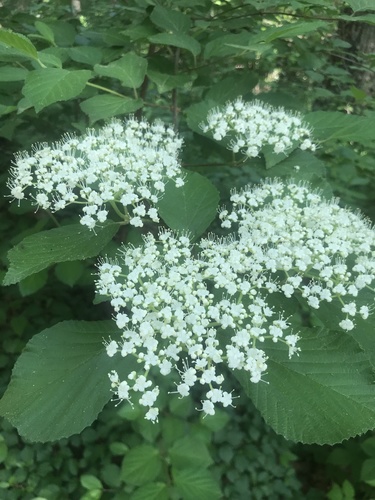
iNaturalist· cc-by-nc
(c) Keita Watanabe, some rights reserved (CC BY-NC), uploaded by Keita Watanabe
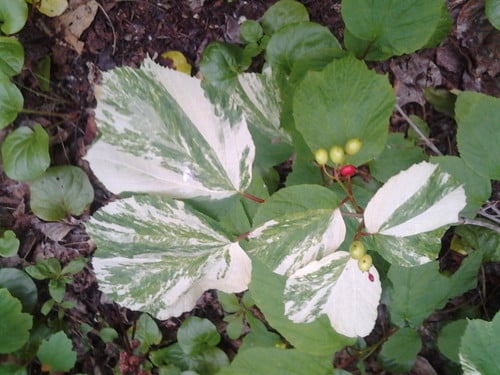
iNaturalist· cc-by-nc
(c) 堀内伸一, some rights reserved (CC BY-NC), uploaded by 堀内伸一
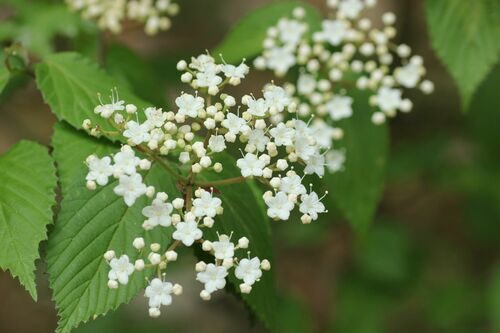
iNaturalist· cc-by-nc
(c) Leslie Hurteau, some rights reserved (CC BY-NC), uploaded by Leslie Hurteau
Summary
Source: WikipediaSambucus sieboldiana, commonly called the Japanese red elder, is a deciduous shrub in the moschatel family (Adoxaceae). It is native to East Asia, where it is found in Japan and Korea. Its natural habitat is in thickets and forest edges, in low elevations. It is a common species throughout its range.
Description
A temperate shrub variety in the Adoxaceae family, likely similar to Sambucus sieboldiana.
This description is brief — help expand it
Edible Uses
The leaves are eaten.
Distribution
It is a temperate plant.
Where It Grows
Asia, Korea,
Dangerous Lookalikes
This plant can be confused with the following toxic species. Always verify identification carefully before consuming any wild plant.
Pokeweed
Phytolacca americana
Jakec
Sambucus sieboldiana var. pendula
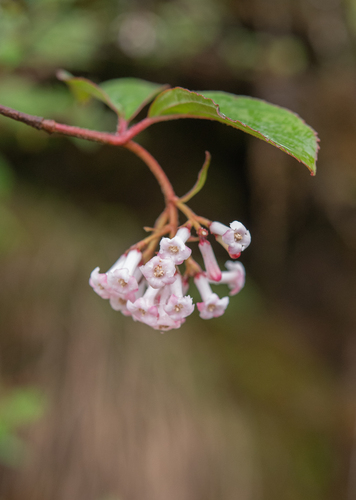
Sambucus sieboldiana var. pendula
(c) Keita Watanabe, some rights reserved (CC BY-NC), uploaded by Keita Watanabe
Pokeweed: Thick red/purple herbaceous stems (no bark), berries in a line (raceme), simple large leaves, large white taproot.
Sambucus sieboldiana var. pendula: Woody bark, berries in broad flat clusters (cymes), compound leaves with 5-7 leaflets.
Synonyms
Also Known As
Majeuleumttae
References (1)
- Ong, H. G., et al, 2015, Ethnobotany of the wild edible plants gathered in Ulleung Island, South Korea. Genet Resourc Crop Evol. Springer