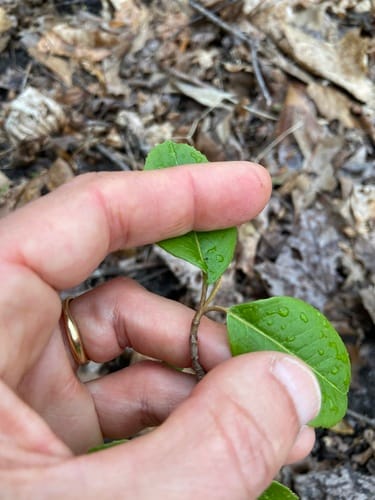
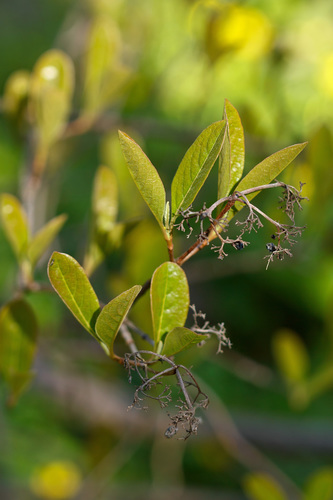
Sambucus racemosa subsp. pubens
(Michx.) House
American red elder, Red-berry elder, Scarlet elder, Stinking elder
iNaturalist· cc-by
(c) Eric Lamb, some rights reserved (CC BY)
iNaturalist· cc0
no rights reserved, uploaded by neotrigonia
iNaturalist· cc-by
(c) Eric Lamb, some rights reserved (CC BY)
Summary
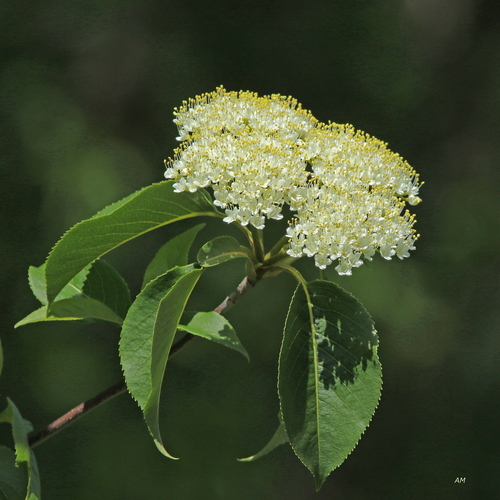
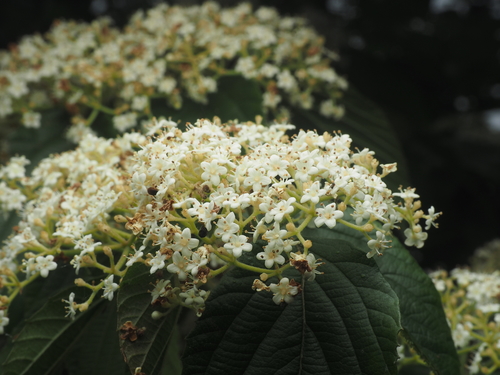
Source: WikipediaSambucus racemosa subsp. pubens, the American red elder, is a subspecies of red-berried elder (Sambucus racemosa) native to North America. The inflorescence is a rounded panicle, making the plant easy to distinguish from the more common S. canadensis, which has a more open, flattened corymb. Some authors have considered it to be a separate species.
Description
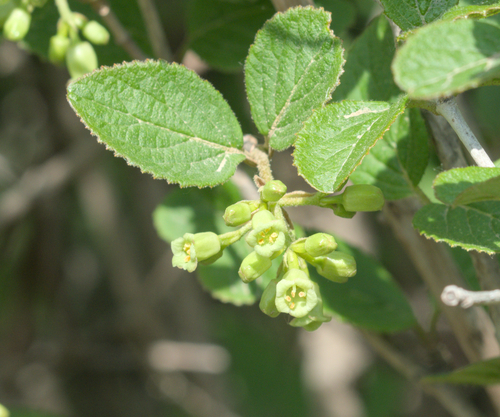
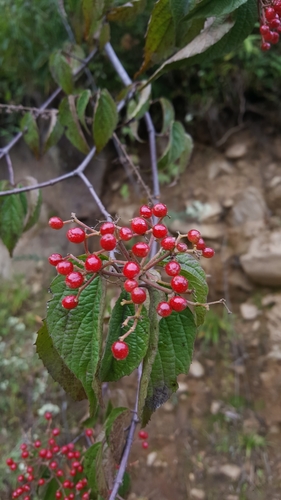
A shrub. The fruit are small and red or black. They are 2 mm across and have 2 to 4 seeds. The fruit are in clusters.
This description is brief — help expand it
Edible Uses
Common name is "American red-berried elder" or "red elderberry". The red berries are an important food source for many birds. They have a bitter taste and can cause digestive problems if eaten in large quantities by humans.
Distribution
It is a temperate plant.
Where It Grows
Canada, North America, USA,
Notes
There are about 25 Sambucus species. Also put in the family Sambucaceae.
Dangerous Lookalikes
This plant can be confused with the following toxic species. Always verify identification carefully before consuming any wild plant.
Pokeweed
Phytolacca americana
Jakec
American red elder
Sambucus racemosa subsp. pubens
(c) Eric Lamb, some rights reserved (CC BY)
Pokeweed: Thick red/purple herbaceous stems (no bark), berries in a line (raceme), simple large leaves, large white taproot.
American red elder: Woody bark, berries in broad flat clusters (cymes), compound leaves with 5-7 leaflets.
Synonyms
Also Known As
Stinking elder
References (4)
- USDA, ARS, National Genetic Resources Program. Germplasm Resources Information Network - (GRIN). [Online Database] National Germplasm Resources Laboratory, Beltsville, Maryland. Available: www.ars-grin.gov/cgi-bin/npgs/html/econ.pl (10 April 2000)
- Wiersema, J. H. & Leon, B., 2013, World Economic Plants. A Standard Reference CRC Press. 2nd Ed. p 612
- Woody pl. W. North Carolina 32. 1913
- www.desert-tropicals.com