Cinnamomum grandiflorum
Kosterm.
wikimedia· cc0
Wikimedia Commons - National Museum of Natural History
wikimedia· cc0
Wikimedia Commons - National Museum of Natural History
Description
A tree. It grows 30-55 m tall. The trunk is straight and 90 cm across. It can have buttresses 1 m tall. The bark is dark grey and rough. The bark has a strong cinnamon like smell. The leaves are opposite and simple. They are 11-22 cm long by 4.5-8 cm wide. The flowers are in the axils of leaves. They are white or pale yellow. The fruit are 15-20 mm long by 10-12 mm wide. They are dark green and fleshy and have one seed. The bark has a nice smell.
Edible Uses
The bark is used as a spice and is chewed as a substitute for betel leaves.
Traditional Uses
The bark is chewed as a substitute for Pepper leaves when chewing betel but.
This uses section is brief — help expand it
Medicinal Uses
We have no specific information for this species, but species in this genus are generally rich in essential oils with proven medicinal virtues. Species are often very similar and not always easily distinguished from each other. Many Cinnamomum species are likely to be used, particularly for treating disorders of the gastro-intestinal tract.
Distribution
It is a tropical plant. It grows along the north coast of Papua New Guinea. They are mainly in lowland and lower montaine rainforest.
Where It Grows
Papua New Guinea, PNG,
Cultivation
Trees grow wild from seed. It can be grown from fresh seed.
Propagation
Seed - the seed of species in this genus generally has a short viability and is best sown as soon in containers as it is ripe. Remove the fruit pulp since this can inhibit germination. Soaking the seeds for 24 hours in lukewarm water hastens germination, which can take 1 - 6 months at 20°c. The germination rate of fresh seed is about 50%, falling to 25% for seed 6 months old, and zero for those 1 year old. Stored seed should be sown as soon as possible in containers. When they are large enough to handle, prick the seedlings out into individual pots and plant them out into their permanent positions when 10cm or more tall. Cuttings of semi-ripe side shoots, 7cm with a heel, in a frame with bottom heat.
Other Uses
The wood is a good quality hardwood.
Other Information
It is cultivated.
Also Known As
Malaari, Tempat
References (4)
- French, B.R., 1986, Food Plants of Papua New Guinea, A Compendium. Asia Pacific Science Foundation p 331 (As Cinnomomum sp.)
- Leach, G. J., 1988, Bush Food Plants of the Blackwater and Karawari Rivers Area, East Sepik Province, Papua New Guinea. Science in New Guinea 14(2). p 101
- Powell, J.M., Ethnobotany. In Paijmans, K., 1976, New Guinea Vegetation. Australian National University Press. p 109 (As Cinnomomum sp.)
- World Checklist of Useful Plant Species 2020. Royal Botanic Gardens, Kew
More from Lauraceae
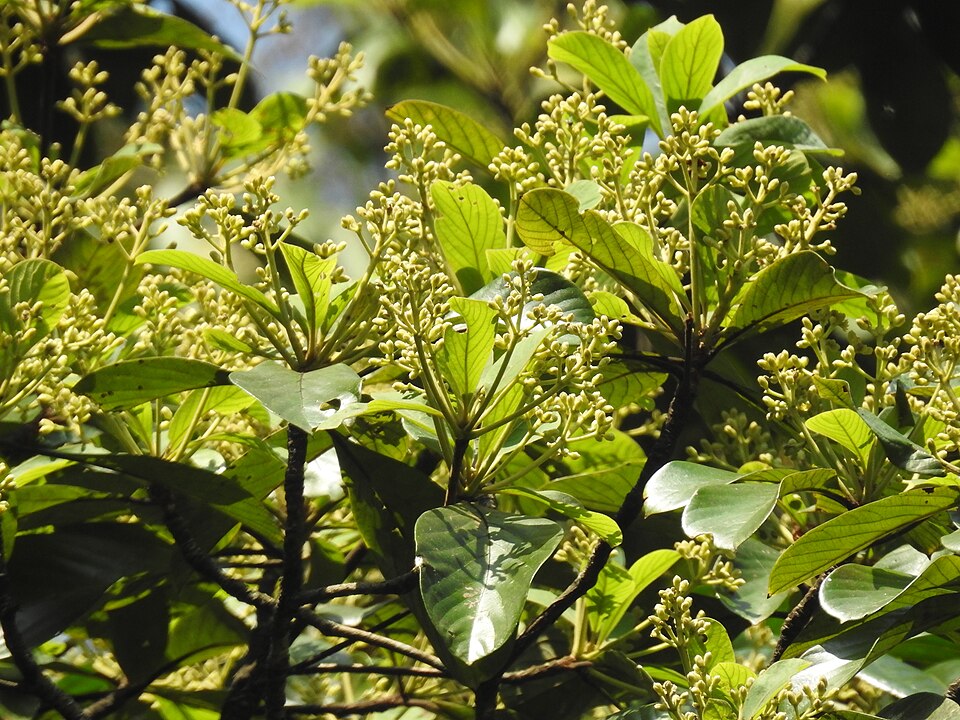
Phoebe cooperiana
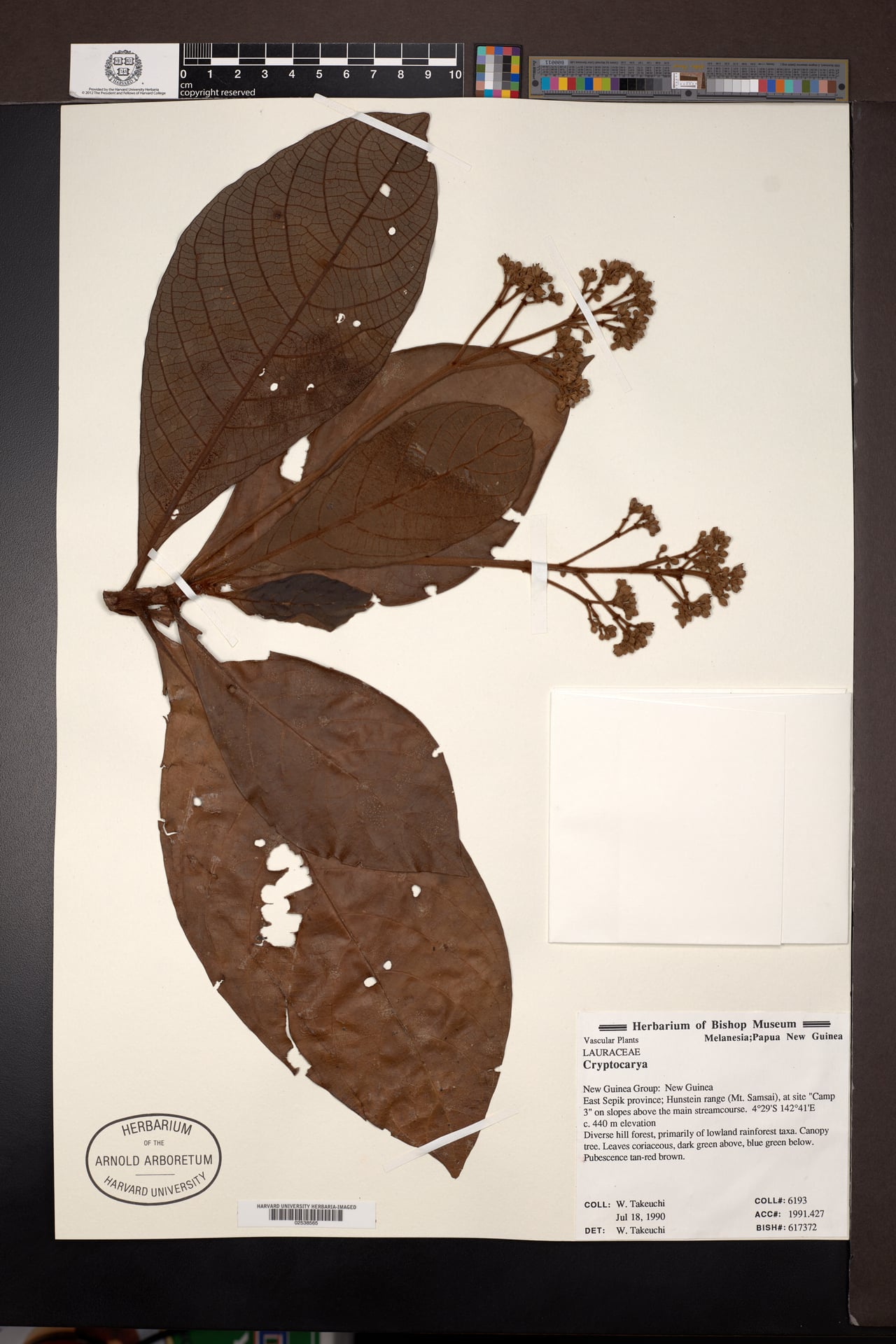
Phoebe forbesii
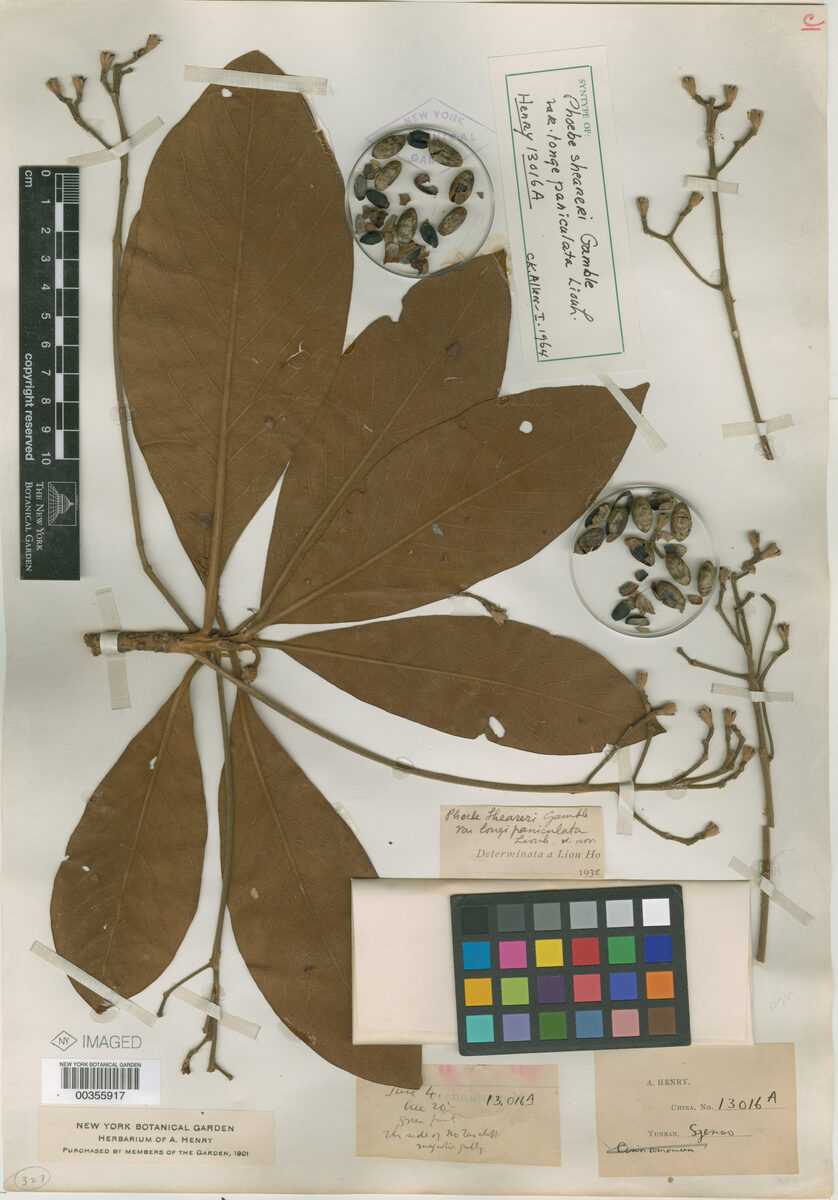
Phoebe puwenensis
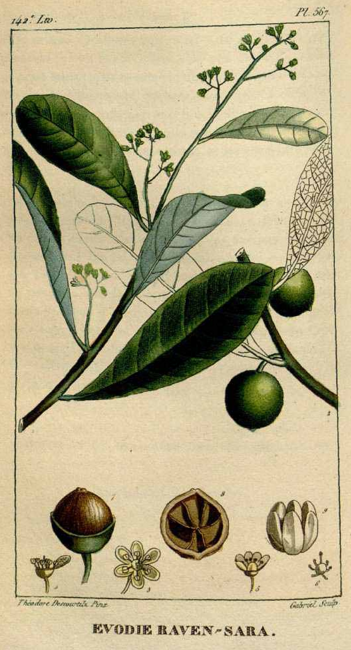
Ravensara aromatica
Madagascar Clove Nutmeg
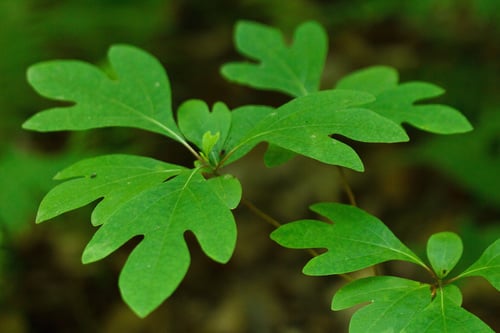
Sassafras albidum
American sassafras, Fennel Wood, Ague tree
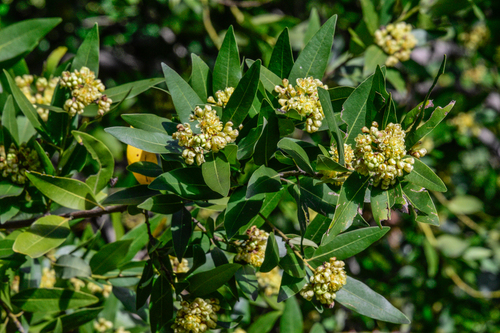
Umbellularia californica
California laurel, Californian Bay Tree, Pepper-nut, Headache Tree, Balm of heaven, Cajeput tree, Californian olive, Mountain laurel, Sassafras laurel, Spice bush, California nutmeg