Cassytha pubescens
R. Br.
Downy dodder-laurel
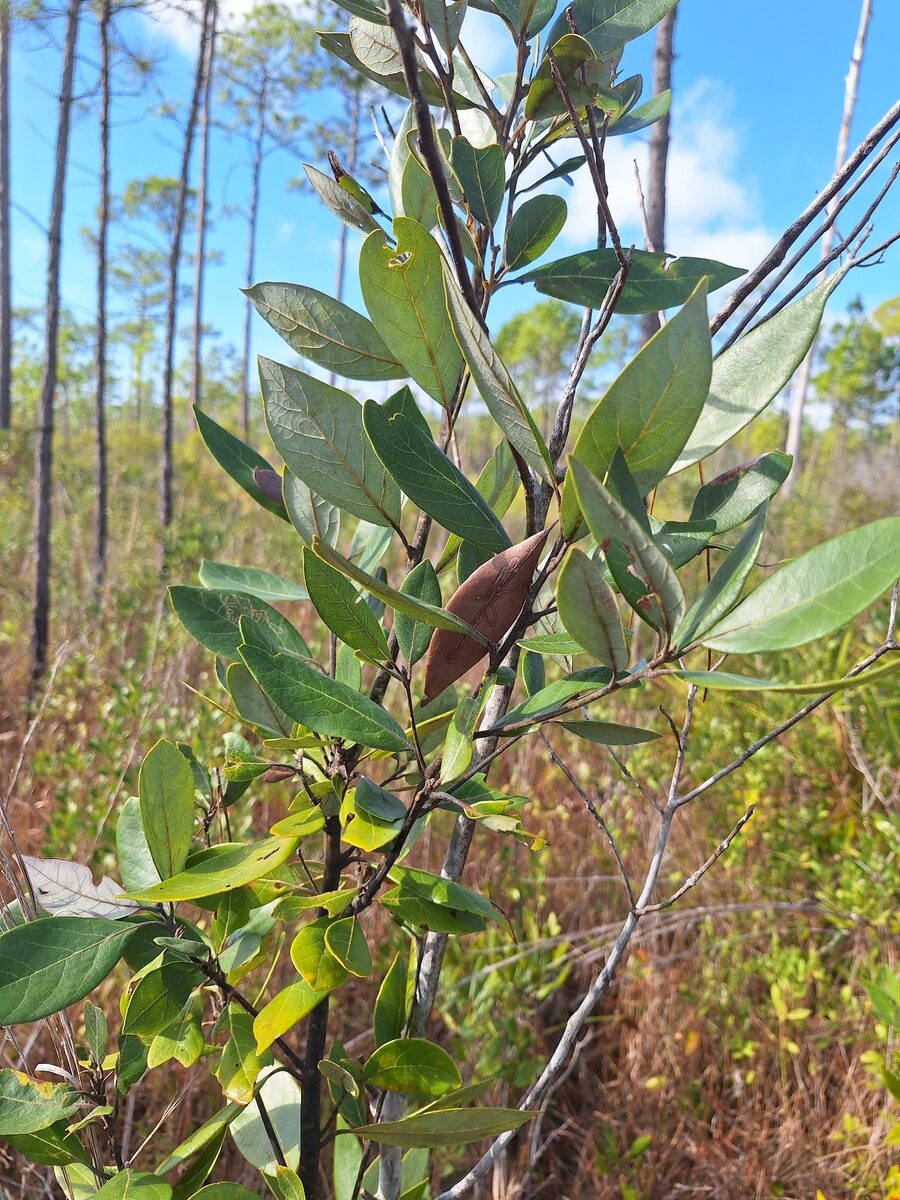
iNaturalist· cc-by-nc
(c) sunphlo, some rights reserved (CC BY-NC)
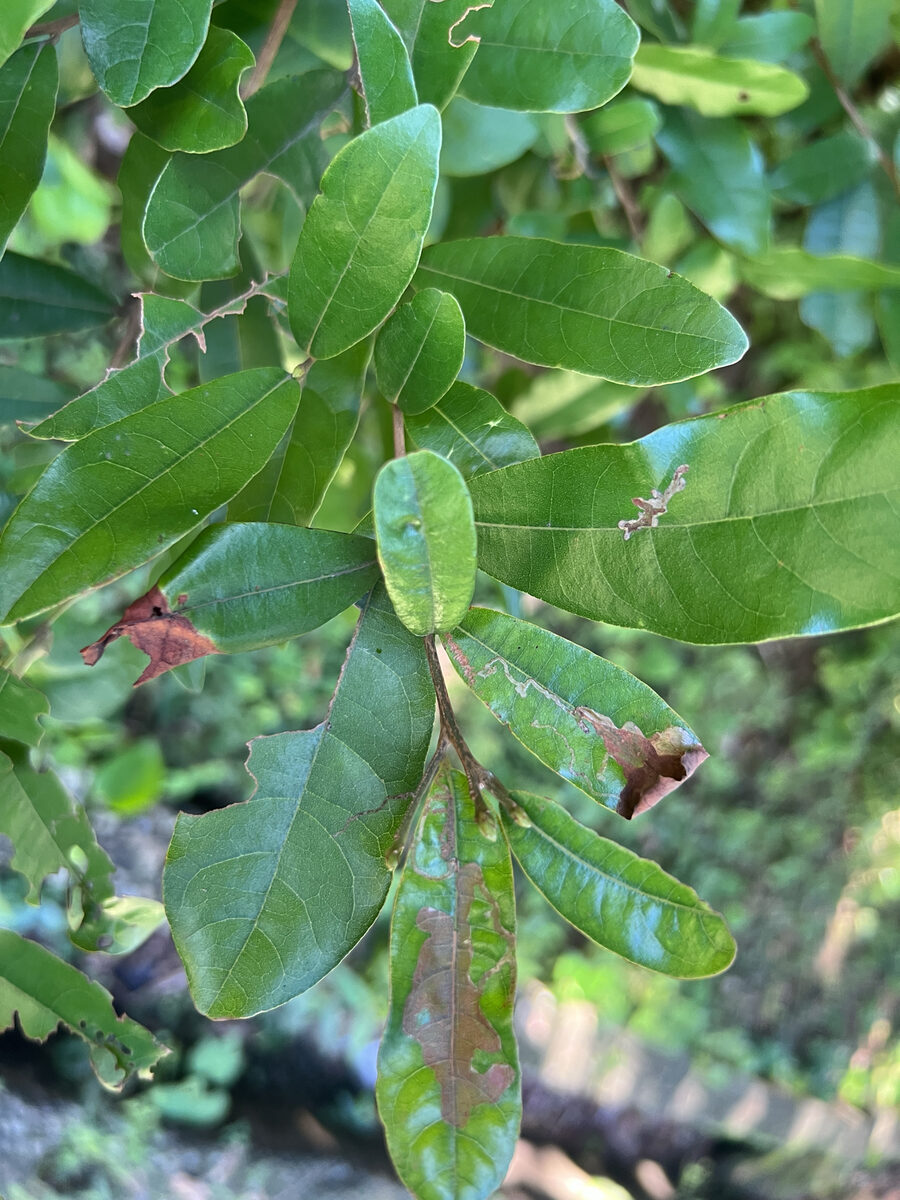
iNaturalist· cc-by
(c) Danielle Munster, some rights reserved (CC BY)
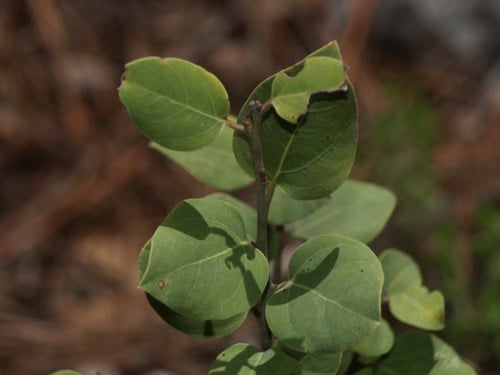
iNaturalist· cc-by
(c) Danielle Munster, some rights reserved (CC BY)
Summary
Source: WikipediaCassytha pubescens is a native Australian hemiparasitic vine species, in the Laurel family. Common names for the species include devils twine, dodder-laurel, spilled devil's twine, snotty gobble or downy dodder-laurel. It is a widespread and common species in south eastern Australia. The species was first formally described in 1810 by the Scottish botanist Robert Brown in Prodromus Flora Novae Hollandiae et Insulae Van Diemen (Prodromus of the Flora of New Holland and Van Diemen's Land). Leaves are reduced to scales and photosynthesis is achieved through chlorophyll contained in the plants stems. Stems are between 0.5mm and 1.5mm in diameter and the haustoria are between 2 and 3 mm long. Cassytha pubescens is often compared with the genus Cuscuta (Convolvulaceae) due to similarities in their morphology and herbaceous parasitic habit.
Description
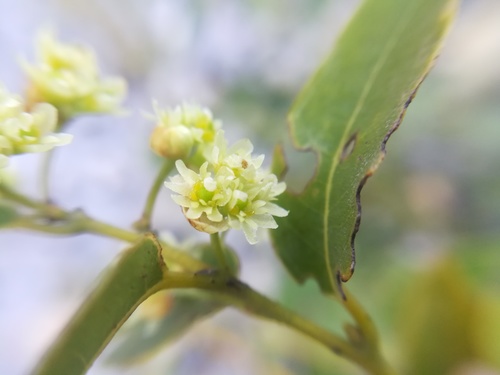
A climber. It grows attached to other plants and feeds from them. It appears to not have leaves. It forms dense mats over other plants. The stems are fine and yellow and hairy. They attach to plants by suckers. It climbs 2-3 m high and spreads 2-3.5 m wide. The young stems and flower heads are covered in downy hairs. There are 3-10 flowers in a dense cluster. They are 5 mm wide. They do not have stalks. The fruit are small and round. They are green and fleshy. They are 1 cm long and 0.5-1.5 cm wide.
Edible Uses
The small fruit are eaten fresh and used as flavoring in baking.
Traditional Uses
CAUTION: Some Cassytha have an alkaloid that can cause abortion and should not therefore be eaten by pregnant women. The small fruit are eaten and used as flavouring in baking.
Known Hazards
Some Cassytha species contain an alkaloid that can cause abortion and should not be eaten by pregnant women.
Distribution
It grows in coastal and inland areas. It grows in drier regions. It gets its nutrition and water from other plants. It will often kill the host. Tasmania Herbarium.
Where It Grows
Australia*, Tasmania*,
Notes
There are 15-20 Cassytha species. Sometimes they are in the family Cassythaceae.
Also Known As
Dodder laurel, Velvety devil’s twine
References (12)
- Caton, J.M. & Hardwick, R. J., 2016, Field Guide to Useful Native Plants from Temperate Australia. Harbour Publishing House. p 364
- Curtis, W.M., 1993, The Student's Flora of Tasmania. Part 3 St David's Park Publishing, Tasmania, p 597
- Dashorst, G.R.M., and Jessop, J.P., 1998, Plants of the Adelaide Plains & Hills. Botanic Gardens of Adelaide and State Herbarium. p 64
- Hardwick, R.J., 2000, Nature's Larder. A Field Guide to the Native Food Plants of the NSW South Coast. Homosapien Books. p 90
- Jackes, B.R., 2001, Plants of the Tropics. Rainforest to Heath. An Identification Guide. James Cook University. p 58
Show all 12 references Hide references
- Low, T., 1991, Wild Food Plants of Australia. Australian Nature FieldGuide, Angus & Robertson. p 125
- Melzer, R. & Plumb, J., 2011, Plants of Capricornia. Belgamba, Rockhampton. p 377
- Ryan, M. (Ed.), 2003, Wild Plants of Greater Brisbane. Queensland Museum. p 68
- Tasmanian Herbarium Vascular Plants list p 36
- Townsend, K., 1999, Field Guide to Plants of the Dry Tropics. Society for Growing Australian Plants, Townsville Branch Inc. p 140
- Whiting, J. et al, 2004, Tasmania's Natural Flora. Tasmania's Natural Flora Editorial Committee PO Box 194, Ulverstone, Tasmania, Australia 7315 p 199
- Woolmore, E et al, 2002, King Island Flora: A Field Guide. p 55