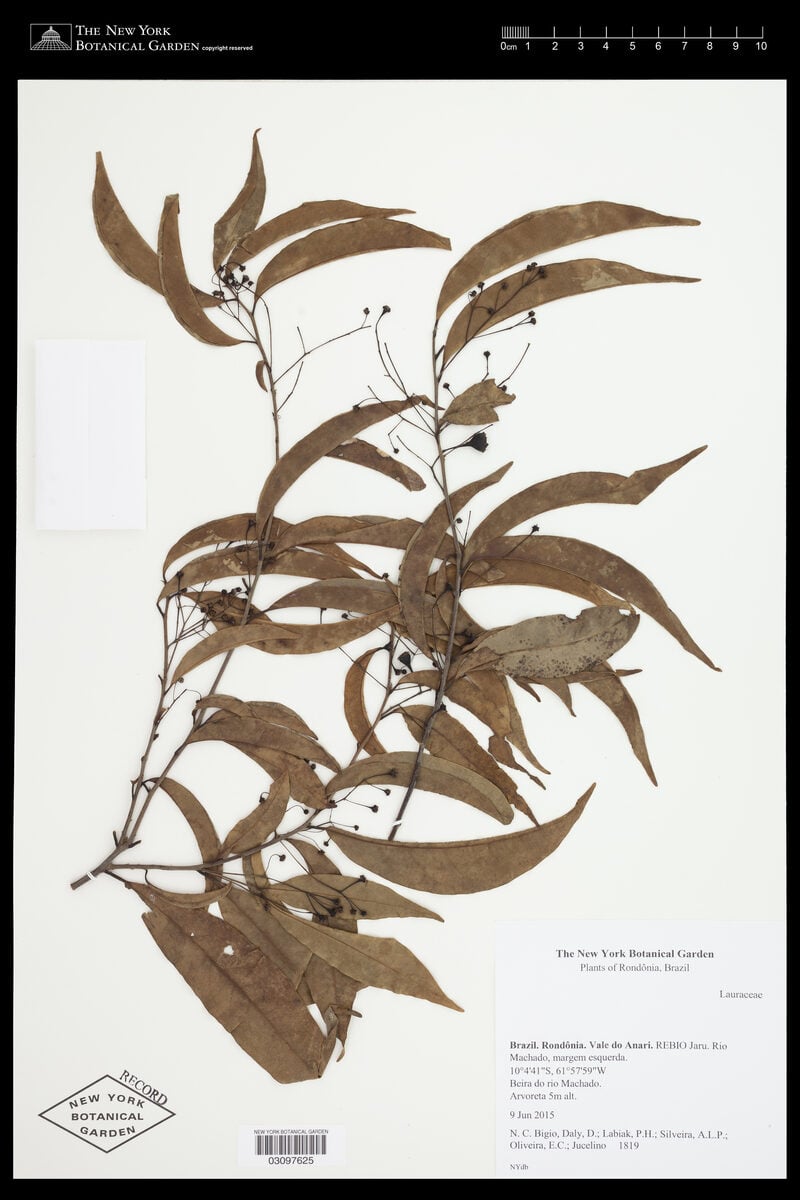
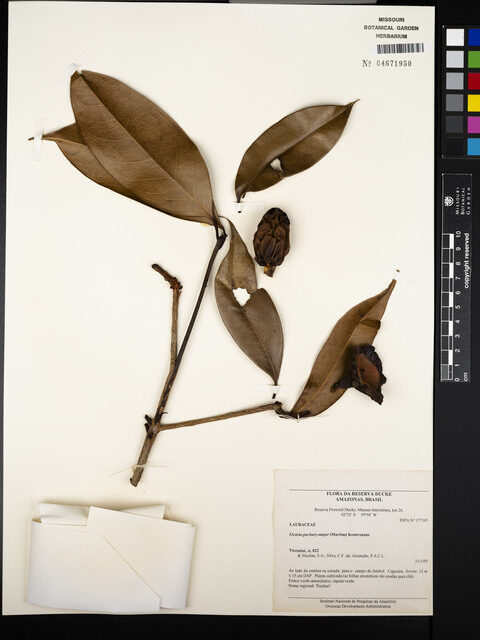
Cinnamomum cambodianum
Lecomte
Cambodia cimmamon
gbif· cc0
President and Fellows of Harvard College
gbif· cc0
President and Fellows of Harvard College
Summary
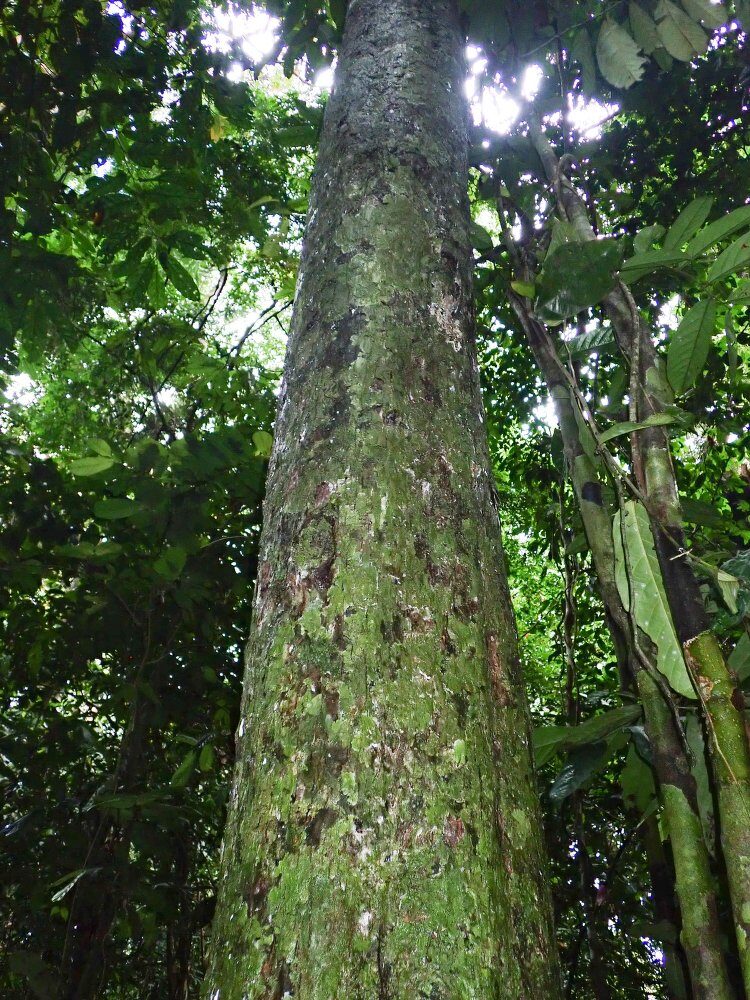
Source: WikipediaCinnamomum cambodianum (Khmer: ទេព្វិរូ, teppirou) is a non-scented species of cinnamon, native and endemic to Cambodia. Commonly referred to as Cambodia cinnamon, C. cambodianum is an evergreen tree with a large, dense crown, growing 15–25 metres tall. The straight, cylindrical bole can grow to 30–80 cm in diameter.
Description
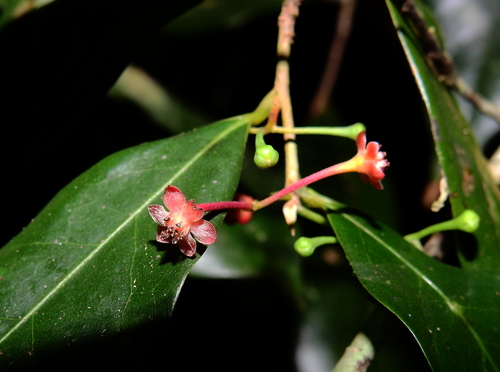
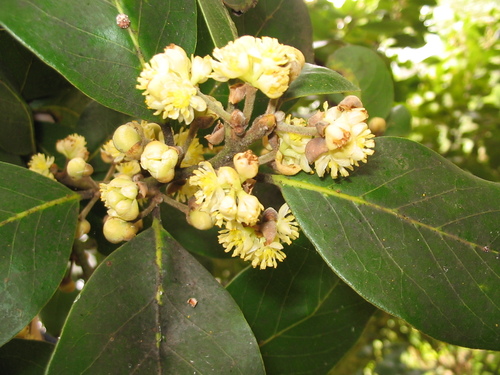
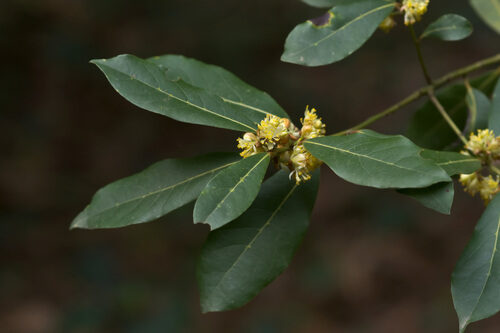
A tree. The leaves are large and opposite. The flowers are in panicles in the axils of leaves.
This description is brief — help expand it
Edible Uses
The bark is used in the kitchen as a food. This probably means as a cinnamum-like condiment. The bark is also mixed with betel and used as a masticatory.
Medicinal Uses
In Cambodia, C. cambodianum is extensively harvested from the wild for local use as a food condiment, traditional medicine, and source of wood. The wood is a highly valued timber in Cambodia, normally used for house construction. The bark is sometimes chewed with betel. In Khmer traditional medicine, the bark is believed to be effective against indigestion, tuberculosis, and for regulation of menstruation. For animals it is used as a carminative and digestive. C. cambodianum has shown significant anti-allergic properties in laboratory tests. C. cambodianum is a non-scented species of cinnamon, but all parts of the stem are aromatic. Commercially, the bark of this tree is often used in China for the production of non-scented incense sticks.
Distribution
It is a tropical plant.
Where It Grows
Asia, Cambodia, Indochina, SE Asia, Vietnam,
Cultivation
A shade-demanding tree when young, though it grows well in full sun when older. It prefers a deep, fertile, moist soil, though it can also succeed in well drained, leached hillside soils of low fertility. Succeeds in soils with a pH as low as 4. Plants can tolerate short periods when the soil is inundated, though they are also tolerant of short periods of drought. All parts of the stem are aromatic.
Propagation
Seed - the seed of species in this genus generally has a short viability and is best sown as soon in containers as it is ripe. Remove the fruit pulp since this can inhibit germination. Soaking the seeds for 24 hours in lukewarm water hastens germination, which can take 1 - 6 months at 20°c. The germination rate of fresh seed is about 50%, falling to 25% for seed 6 months old, and zero for those 1 year old. Stored seed should be sown as soon as possible in containers. When they are large enough to handle, prick the seedlings out into individual pots and plant them out into their permanent positions when 10cm or more tall. Cuttings of semi-ripe side shoots, 7cm with a heel, in a frame with bottom heat.
Other Uses
An essential oil is obtained from the stems. The heartwood is reddish-gray; it is not always distinctly demarcated from the pale gray sapwood. The wood is light to medium weight. A very valuable timber, it is used in house construction, boards, column posts, agricultural implements etc. The wood is used for fuel.
Also Known As
Que cambot, Tepirou
References (2)
- Seidemann J., 2005, World Spice Plants. Economic Usage, Botany, Taxonomy. Springer. p 101
- Uphof, 1968,