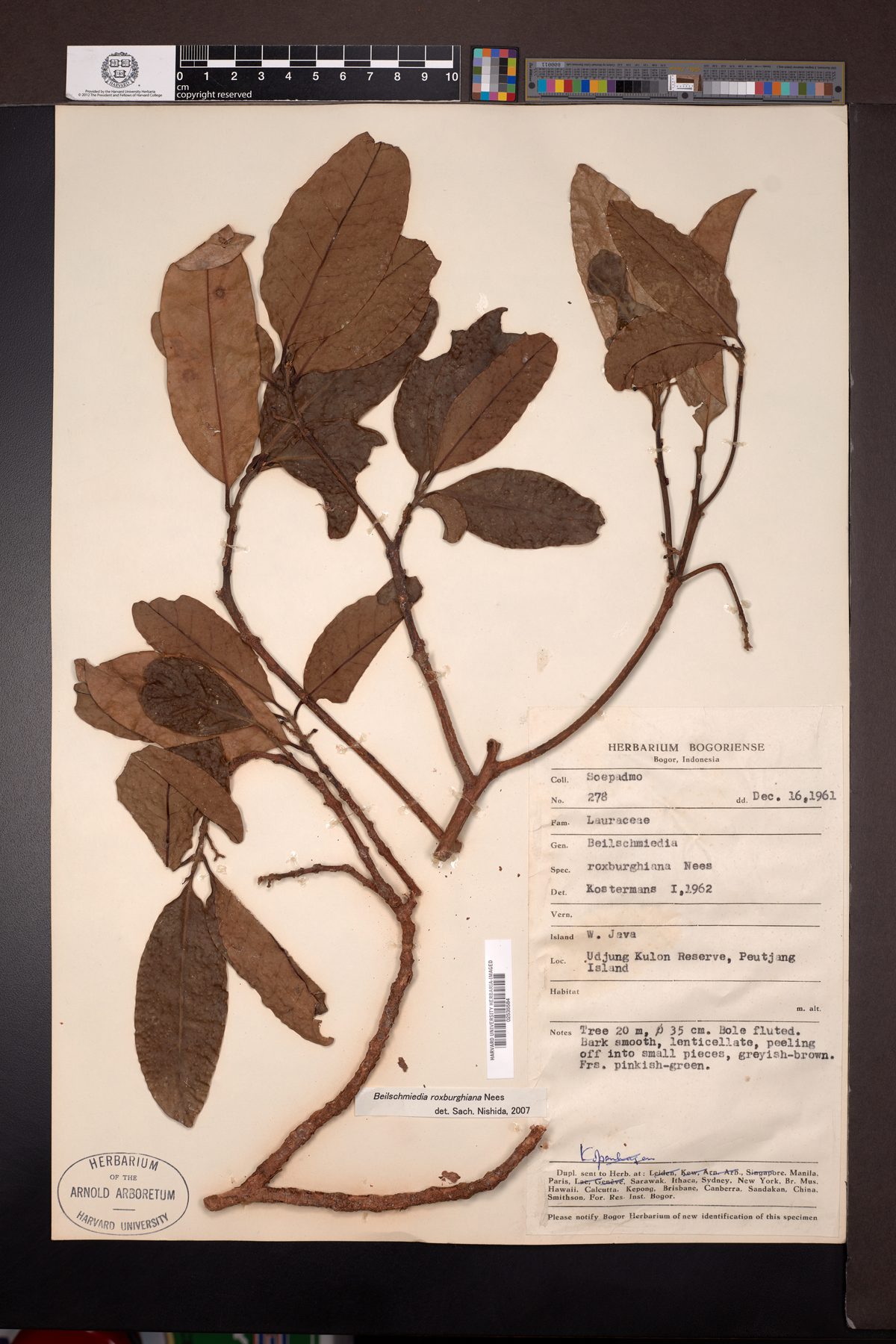
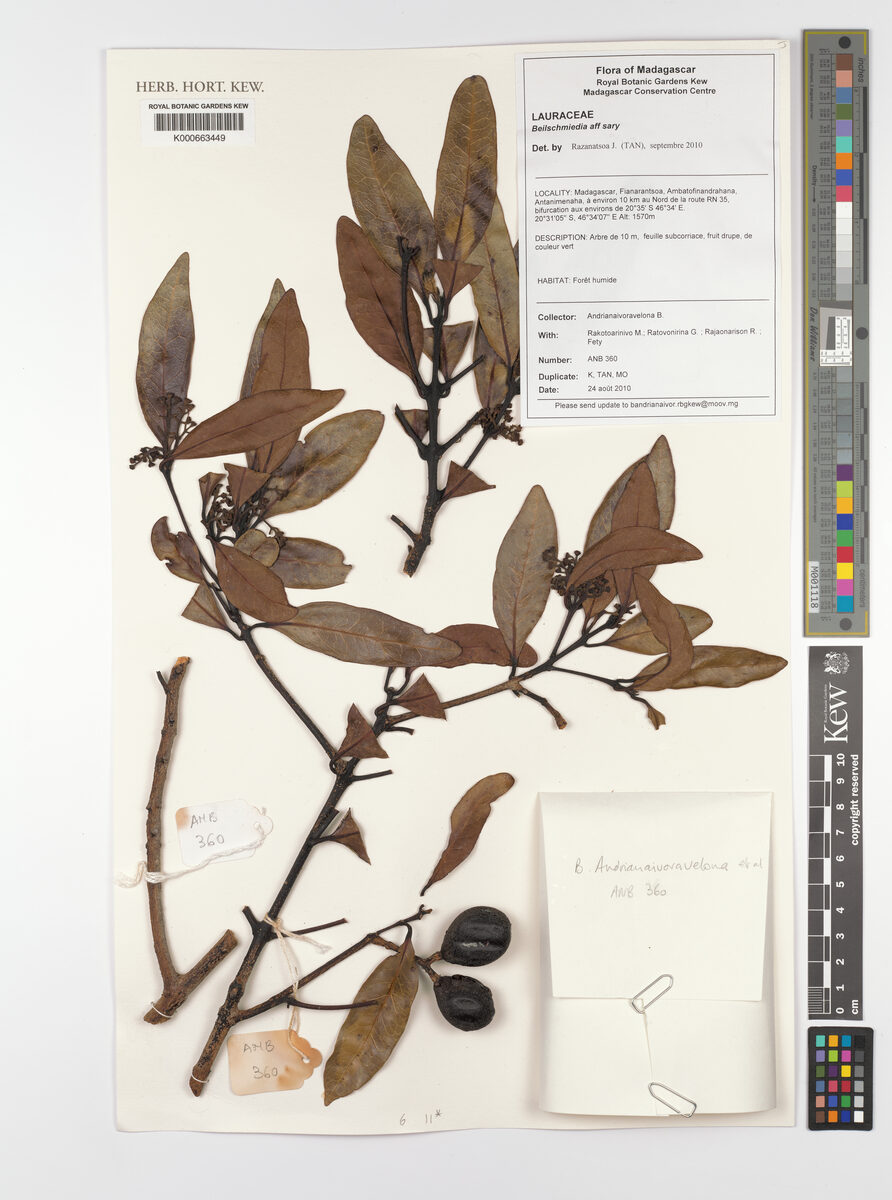
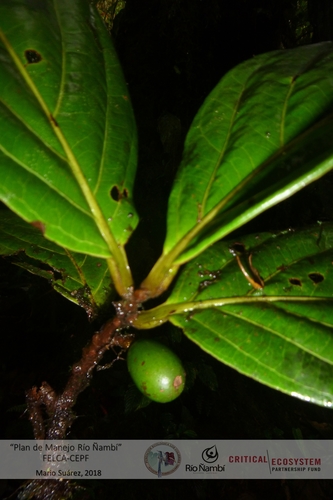
Chlorocardium rodiei
(R. H. Schomb.) Rohwer, H. G. Richt. & van der Werff
Demerara greenheart, Cogwood
Wikipedia· cc-by-sa
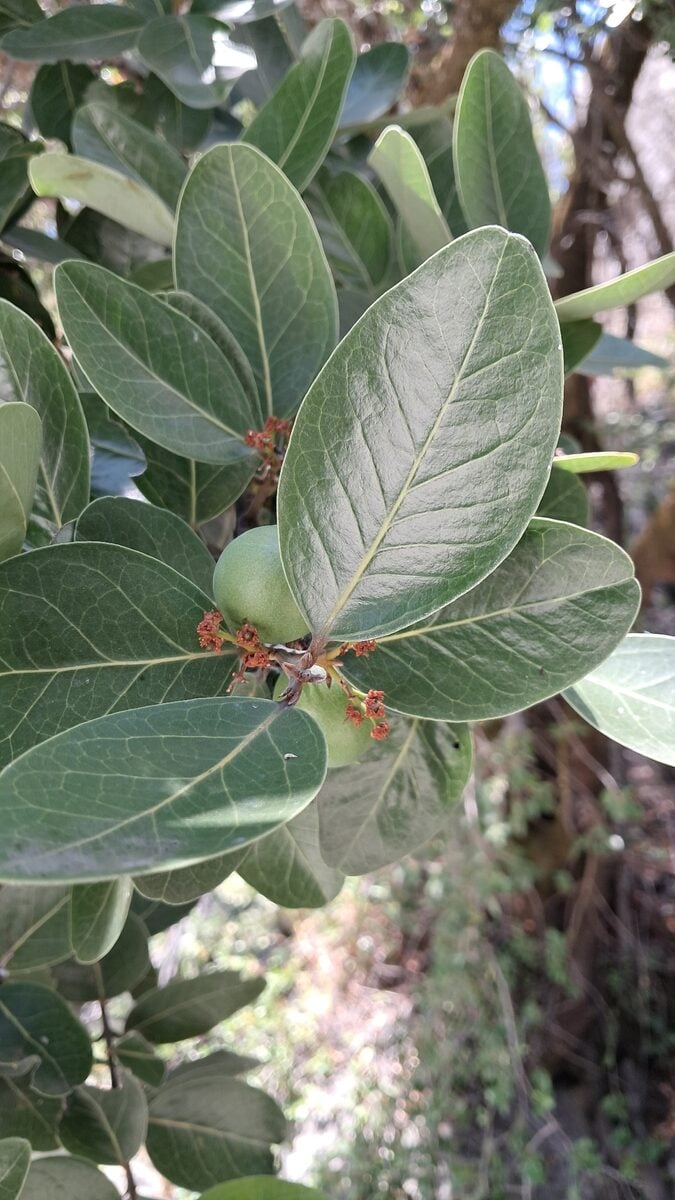
Wikimedia Commons - Greenheart_(13927555000).jpg
gbif· cc-by-nc
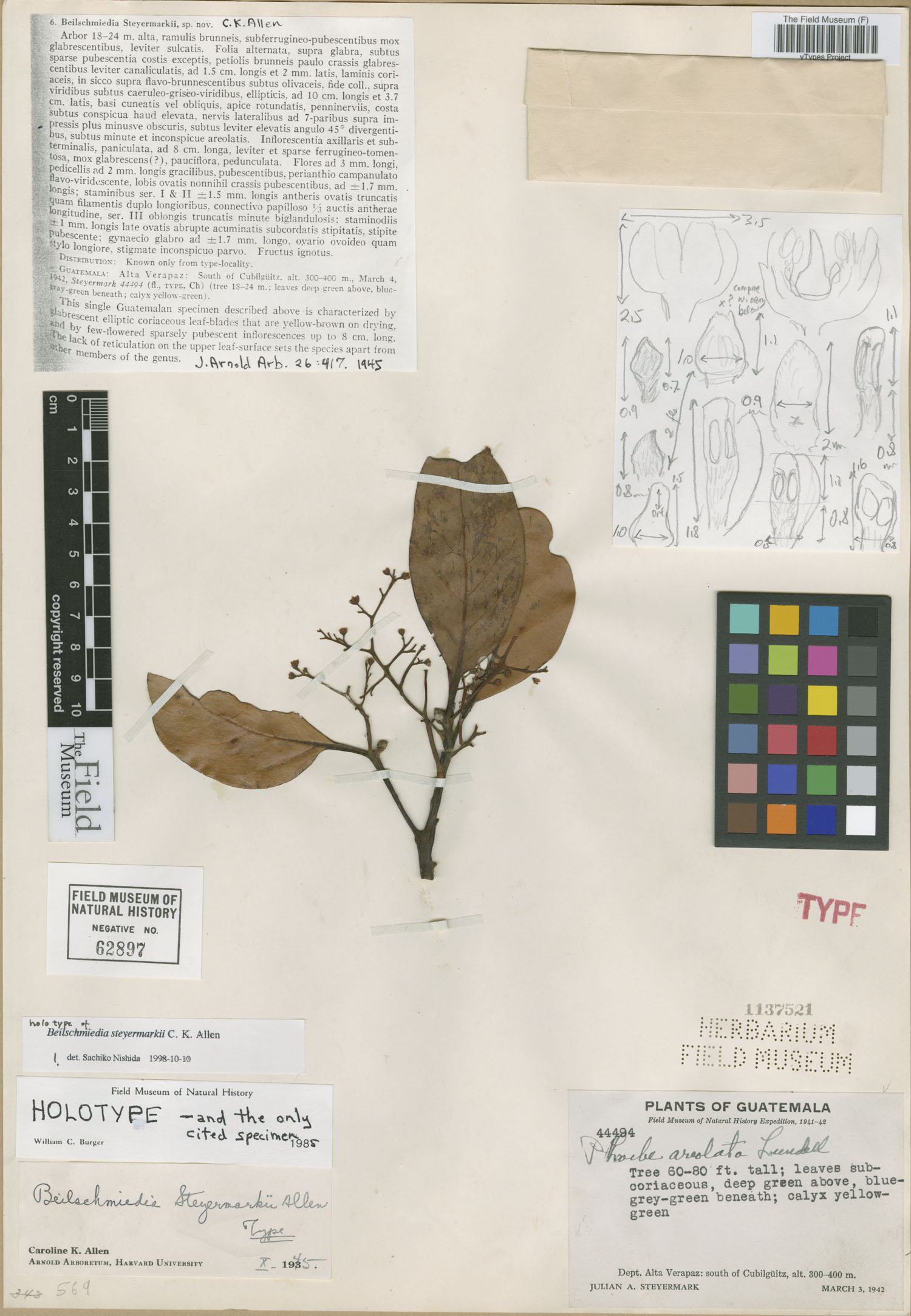
D. M. Le : Field Museum of Natural History - Botany Department
Summary
Source: WikipediaChlorocardium rodiei (greenheart) is a species of flowering plant in the family Lauraceae. It is one of three species in the genus Chlorocardium. It is native to Guyana and Suriname, both in South America. Other common names include cogwood, demerara greenheart, greenhart, ispingo moena, sipiri, bebeeru and bibiru. It is an evergreen tree growing 15 to 30 m tall, with a trunk diameter of 35 to 60 cm. Its leaves are oppositely arranged and simple with smooth edges. Its fruit is a drupe containing a single seed. The cyclic bisbenzylisoquinoline alkaloid rodiasine was first isolated from this species. The wood is extremely hard and strong and so it cannot be worked with standard tools. It is durable in marine conditions and so it is used to build docks and other structures. It was an early choice for fly fishing rods. It is often sought for construction projects in parts of the Caribbean, where wood ants are problematic in conventional pine wood construction. It was also used to build the dock gates in Liverpool, such as the Manchester dock gate. It has been used extensively as marine piling, since it is highly resistant to marine borers. It is also extremely dense and does not float. It thus requires special water transport arrangements and is loaded onto specially-constructed pontoons for transport to sawmills or direct shipping overseas. As sawn lumber, it requires special treatment and saws with tungsten carbide teeth since standard steel saw blades cannot be maintained sharp enough to cut any reasonable quantity. Greenheart was used to sheath the oak and Norwegian fir planks that made up Ernest Shackleton's barkentine icebreaker, Endurance, and the keel of the United States Coast Guard cutter USS Bear.
Description
A tree. It grows 15-30 m tall. The trunk is 35-60 cm wide. The leaves are simple and opposite. The fruit is fleshy and has one seed.
This description is brief — help expand it
Edible Uses
No edible uses are known for this plant.
Medicinal Uses
The bark and crushed wood are bitter, febrifuge, and tonic. A decoction made from them is used to treat fevers and diarrhoea; the resulting liquid is yellow, nauseatingly bitter, and has a sickly odour. The fruit is sometimes substituted for the bark or wood, and a decoction of the seeds is also used to treat diarrhoea. The stem-bark contains the alkaloids berberine (identical to buxine and pelosine) and nectandrine. The seeds contain berberic acid.
Distribution
It is a tropical plant.
Where It Grows
Caribbean, Guianas, Guyana, South America, Suriname, Venezuela,
Cultivation
A tree of lowland moist tropical areas, usually found at elevations below 200 metres. Grows best in light, sandy soils.
Propagation
Plants are grown from seed.
Other Uses
Greenheart is one of the most commercially valued timbers in the world, prized above all for its exceptional resistance to decay in saltwater and in the ground. The heartwood ranges from light to dark olive green or blackish, often with intermingling lighter and darker areas, and is not sharply defined from the pale yellow or greenish sapwood, which is 3–8cm thick. The grain is straight to roey, the texture fine, uniform, and lustrous, and freshly cut wood is strongly aromatic, though it becomes odourless and tasteless when dry. The wood is exceedingly heavy, sinking in water, and is also very strong, exceptionally hard, elastic, tough, dense, highly durable, and resistant to termites and marine borers. The Fram and the Endurance — the two strongest wooden ships ever built, made famous by the polar expeditions of Amundsen and Shackleton — were both sheathed in greenheart to resist crushing by ice. In narrow strips the wood is flexible, and its high coefficient of friction gives it a non-slip, tractive quality even when wet or coated with oil or grease. It splits and polishes easily, though its extreme density and hardness make it moderately difficult to work with hand or machine tools, dulling cutting edges quickly. When edges become dull, surfaces may roughen slightly. Low cleavage resistance means cross-grained or end-grain material must be machined carefully to avoid chips and splinters breaking off at the tool exit. The timber turns easily and takes a high finish with wax, oil, or French polish without a filler. Gluing gives fairly good results, and it is a moderately good bending wood, though it does not take nails well — pre-bored holes are needed to prevent splitting and nail bending. Its most important application is in marine and hydraulic construction: revetments, docks, locks, fenders, braces, decking, groins, gates, piers, piling, jetties, and wharves. In shipbuilding it is used for keelsons, beams, engine bearers, planking, gangways, fenders, stern posts, and whaling ship sheathing. Other uses include heavy construction, walking sticks, billiard cue butts, belaying pins, and mortars. On average 80–85% of standing mature trees have some defect, particularly in the butt, with defectiveness higher on rocky sites than on the moist sites to which the species is better adapted.
Synonyms
Also Known As
Bebearu, Bebeere, Beeberoe, Bibiru, Cuorverde, Demarara grin-ati, Ispingo moena, Kavatuk, Sipeira, Sipiri, Sipiroe, Sipiru, Sipu, Tauba-branca, Tugul, Viruviru
References (4)
- Grandtner, M. M. & Chevrette, J., 2013, Dictionary of Trees, Volume 2: South America: Nomenclature, Taxonomy and Ecology. Academic Press p 126
- Hedrick, U.P., 1919, (Ed.), Sturtevant's edible plants of the world. p 433 (As Nectandra rodiei)
- London J. Bot. 3:616. 1844 "rodioei"
- World Checklist of Useful Plant Species 2020. Royal Botanic Gardens, Kew