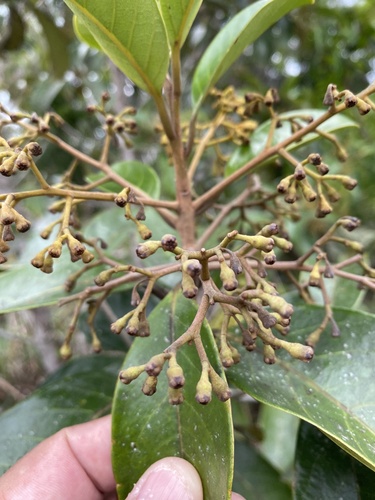
Cinnamomum burmanni
(Nees) Blume
Indonesian cassia
iNaturalist· cc-by-nc
(c) mbgruber, some rights reserved (CC BY-NC)
iNaturalist· cc-by-nc
(c) mbgruber, some rights reserved (CC BY-NC)
iNaturalist· cc-by-nc
(c) Stargazer, some rights reserved (CC BY-NC)
Description
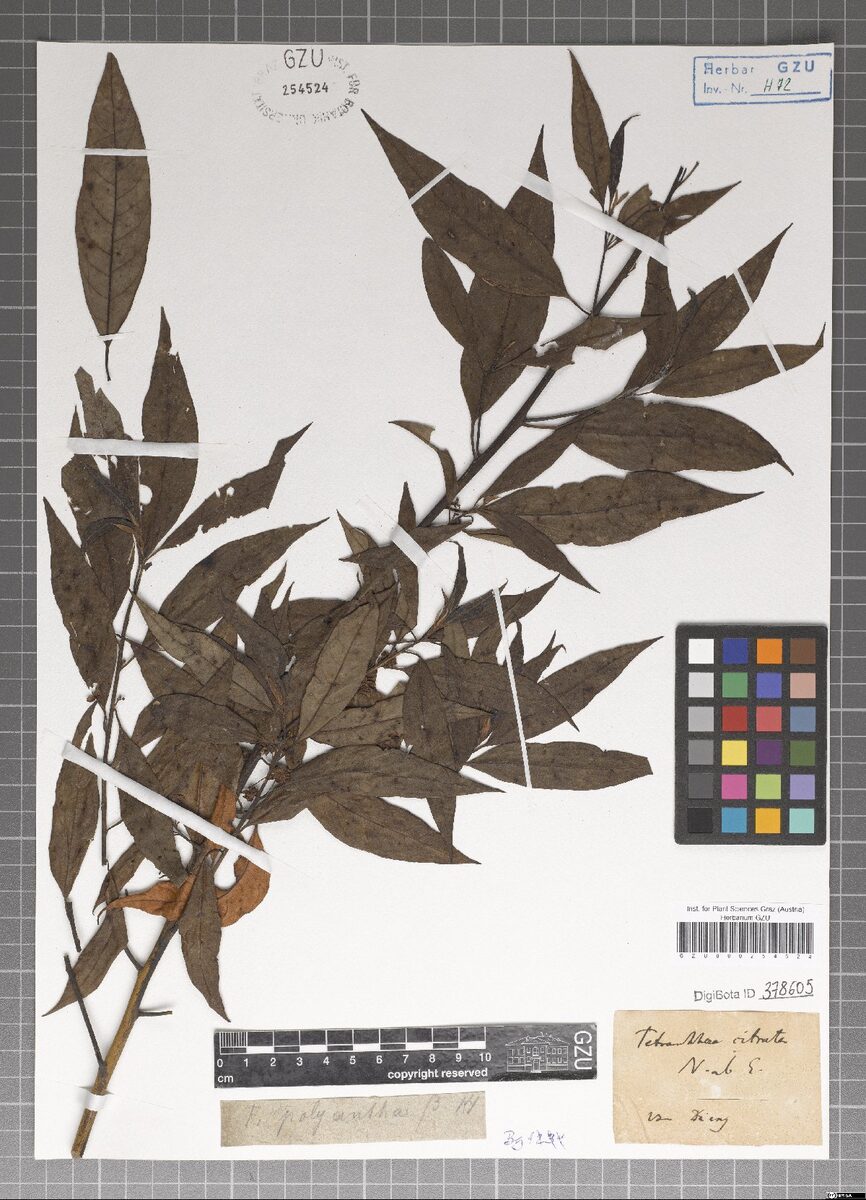
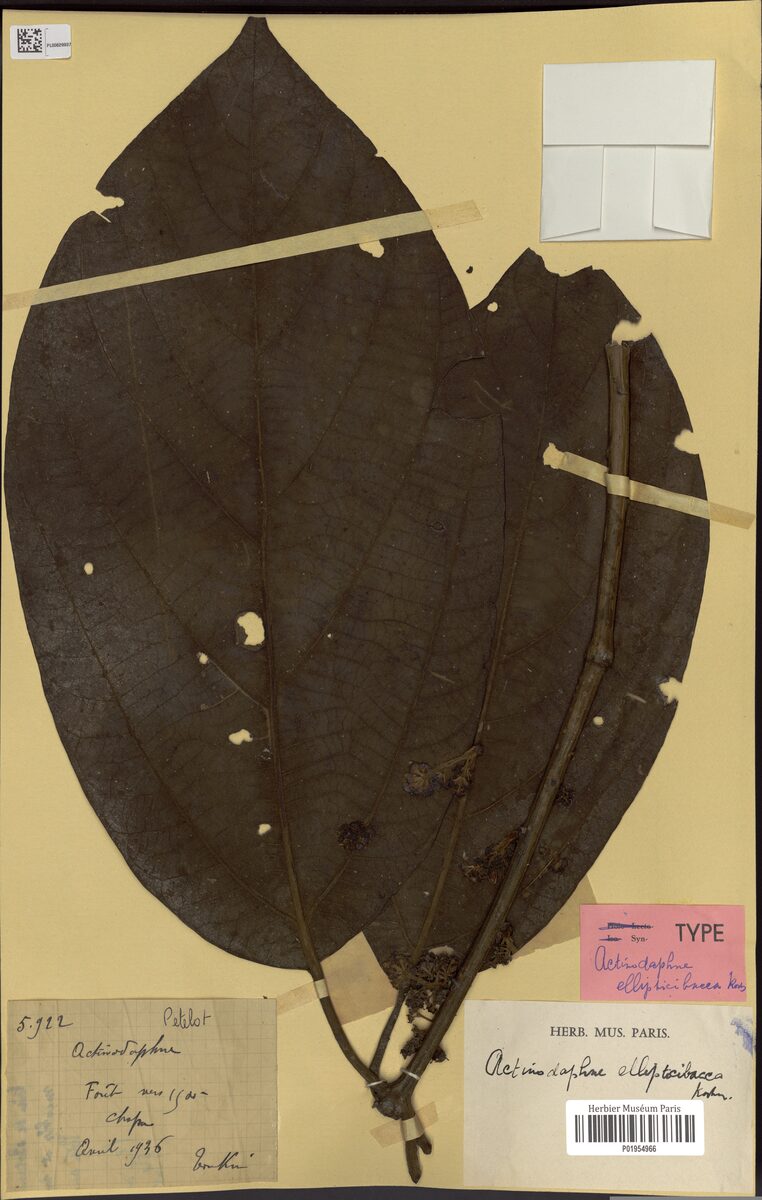
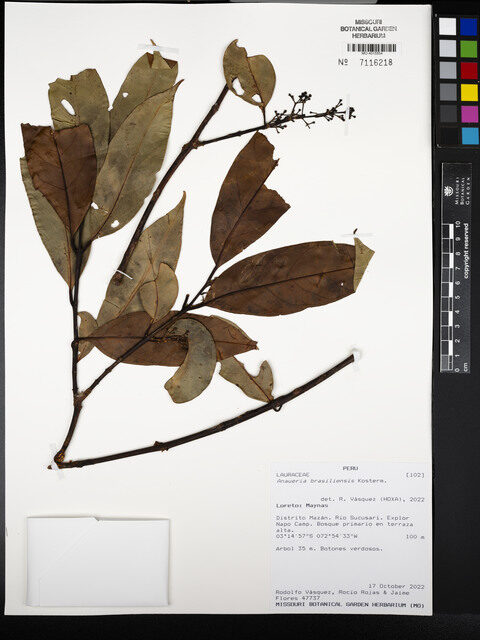
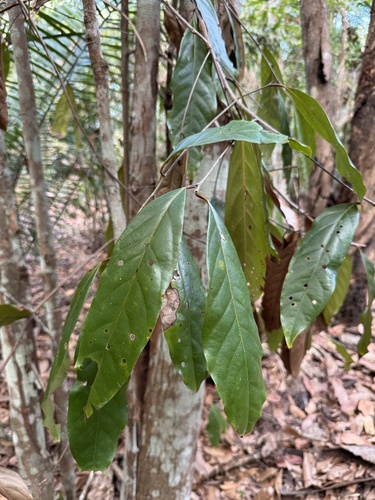
A tree. It grows 4-11 m tall. The trunk can be 30 cm across. The bark is smooth and dark grey. It is red and cassia scented inside. The small branches are slender and green. The leaves are alternate and oval or sword shaped. They are 5.5-10.5 cm long by 2-5 cm wide. They are leathery. The flower stalk is shorter than the leaves. The fruit are berries 5-7 mm across. They are blue.
Edible Uses
The bark is an important source of spice and is used as a substitute for cassia bark. The leaves are also used for flavouring.
Traditional Uses
The bark is an important source of spice. It is used as a substitute for cassia bark. The leaves are also used for flavouring.
This uses section is brief — help expand it
Medicinal Uses
Aromatic oil can be extracted from the bark, leaves, and roots of Cinnamomum burmanni. The bark is also used as a cinnamon bark. The leaves can be used as a spice for preserved food and canned meat instead of laurel leaves. The core contains fat, which can be squeezed for industrial use. The wood is used for fine furniture and other fine work materials. C. burmanni is also a Chinese herbal medicine. The most common and cheapest type of cinnamon in the US is made from powdered C. burmanni. C. burmanni oil contains no eugenol, but higher amounts of coumarin than C. cassia and Ceylon cinnamon with 2.1 g/kg in an authenticated sample, and a mean of 5.0 g/kg in 8 samples tested. It is also sold as quills of one layer.
Distribution
A tropical plant. It grows in forests and along streams between 100-1400 m altitude in China in the southern regions. In XTBG Yunnan.
Where It Grows
Asia, Australia, Bali, Cape Verde, China, Hawaii, Himalayas, India, Indochina, Indonesia*, Laos, Malaysia, Myanmar, Northeastern India, Pacific, Philippines, Sao Tome and Principe, SE Asia, Sikkim, Singapore, Thailand, USA, Vietnam,
Cultivation
Plants are grown from seeds. It can be grown from root cuttings.
Other Information
It is a cultivated crop. An important spice.
Notes
There are about 250 Cinnamomum species.
Synonyms
Also Known As
Batavia cassia, Batavia cinnamon, Caneleira, Kami, Korintje cinnamon, Mindanao cinnamon, Padang cassia, Pohon kayumanis, Yin xiang
References (25)
- Ambasta, S.P. (Ed.), 2000, The Useful Plants of India. CSIR India. p 125
- Arora, R. K., 2014, Diversity in Underutilized Plant Species - An Asia-Pacific Perspective. Bioversity International. p 102
- Bijdr. 569. 1825
- Bodkin, F., 1991, Encyclopedia Botanica. Cornstalk publishing, p 258
- Brouk, B., 1975, Plants Consumed by Man. Academic Press, London. p 293
Show all 25 references Hide references
- Brown, D., 2002, The Royal Horticultural Society encyclopedia of Herbs and their uses. DK Books. p 169
- Brown, W.H., 1920, Wild Food Plants of the Philippines. Bureau of Forestry Bulletin No. 21 Manila. p 60 (As Cinnamomum mindanense)
- Burkill, I.H., 1966, A Dictionary of the Economic Products of the Malay Peninsula. Ministry of Agriculture and Cooperatives, Kuala Lumpur, Malaysia. Vol 1 (A-H) p 559 (As Cinnamomum mindanense)
- Duarte, M. C., et al, 2022, Diversity of Useful Plants in Cabo Verde Islands: A Biogeographic and Conservation Perspective. Plants 2022, 11, 1313 p 13
- Facciola, S., 1998, Cornucopia 2: a Source Book of Edible Plants. Kampong Publications, p 138
- Hemphill, I, 2002, Spice Notes. Macmillan. p 133
- Li Xi-wen, Li Jie, Huang Puhua, van der Werff, H., Lauraceae. Flora of China.
- Leafl. Philipp. Bot. 2:705. 1910 (As Cinnamomum mindanense)
- Monsalud, M.R., Tongacan, A.L., Lopez, F.R., & Lagrimas, M.Q., 1966, Edible Wild Plants in Philippine Forests. Philippine Journal of Science. p 484 (As Cinnamomum mindanense)
- Pham-Hoang Ho, 1999, An Illustrated Flora of Vietnam. Nha Xuat Ban Tre. p 347
- Purseglove, J.W., 1968, Tropical Crops Dicotyledons, Longmans. p 187
- Reis, S. V. and Lipp, F. L., 1982, New Plant Sources for Drugs and Foods from the New York Botanical Garden herbarium. Harvard. p 77 (As Cinnamomum mindanaense)
- Seidemann J., 2005, World Spice Plants. Economic Usage, Botany, Taxonomy. Springer. p 100 (Also as Cinnamomum mindanaense)
- Staples, G.W. and Herbst, D.R., 2005, A tropical Garden Flora. Bishop Museum Press, Honolulu, Hawaii. p 366
- Sujarwo, W., et al, 2016, Traditional knowledge of wild and semi-wild edible plants used in Bali (Indonesia) to maintain biological and cultural diversity. Plant Biosystems, 2016, Vol. 150, No. 5, 971-976
- Sukarya, D. G., (Ed.) 2013, 3,500 Plant Species of the Botanic Gardens of Indonesia. LIPI p 197
- van Wyk, B., 2005, Food Plants of the World. An illustrated guide. Timber press. p 135
- Wiersema, J. H. & Leon, B., 2013, World Economic Plants. A Standard Reference CRC Press. 2nd Ed. p 176
- World Checklist of Useful Plant Species 2020. Royal Botanic Gardens, Kew
- Zeven, A. C. & de West, J. M. J., 1982, Dictionary of cultivated plants and their regions of diversity. Wageningen. p 56