Cinnamomum bejolghota
(Buch.-Ham.) Sweet
Cinnamom tree
iNaturalist· cc-by-nc
(c) lordworm_cryptopsy, some rights reserved (CC BY-NC)
iNaturalist· cc-by-nc
(c) lordworm_cryptopsy, some rights reserved (CC BY-NC)
iNaturalist· cc-by-sa
(c) Dinesh Valke, some rights reserved (CC BY-SA)
Description
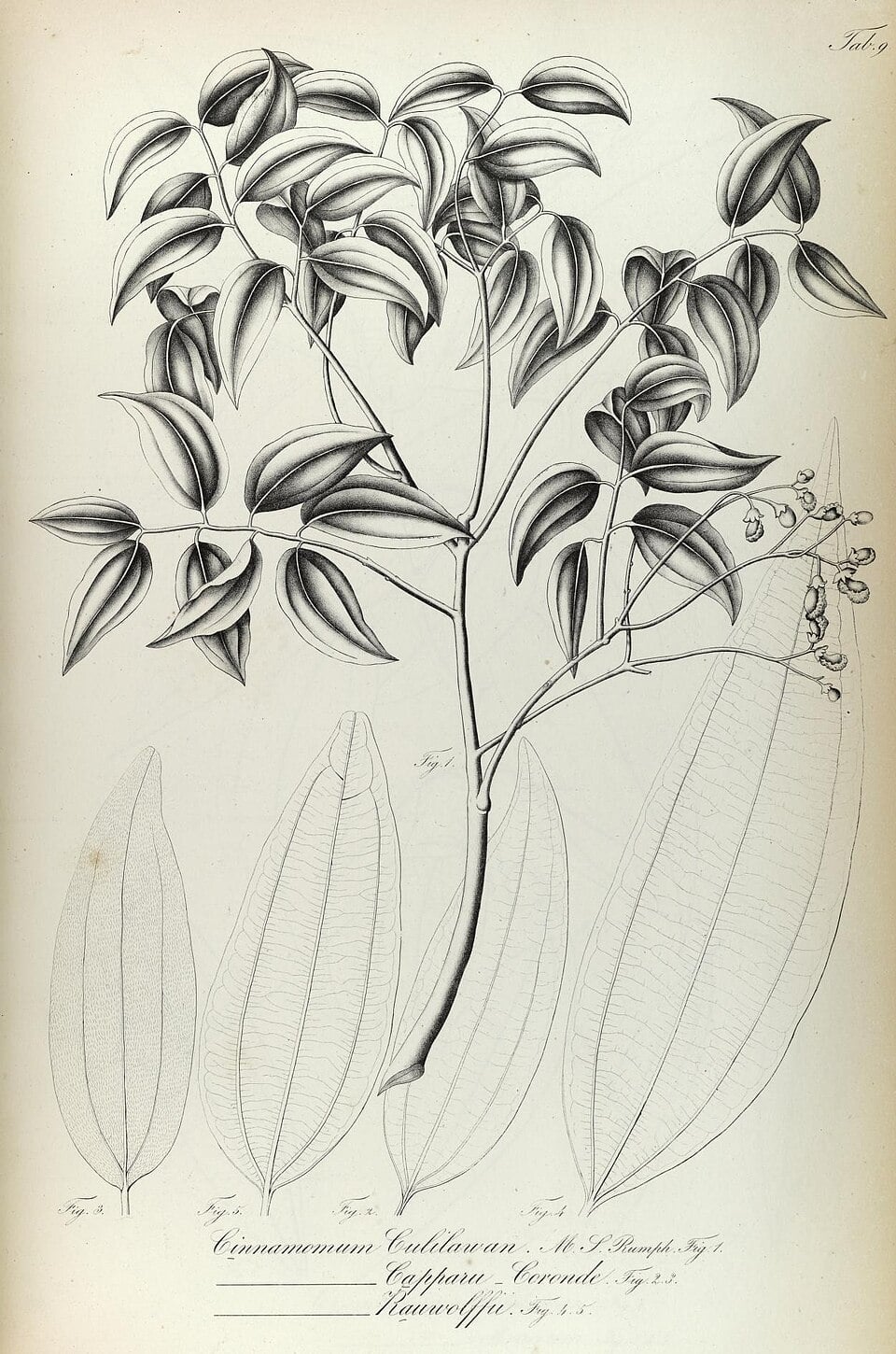
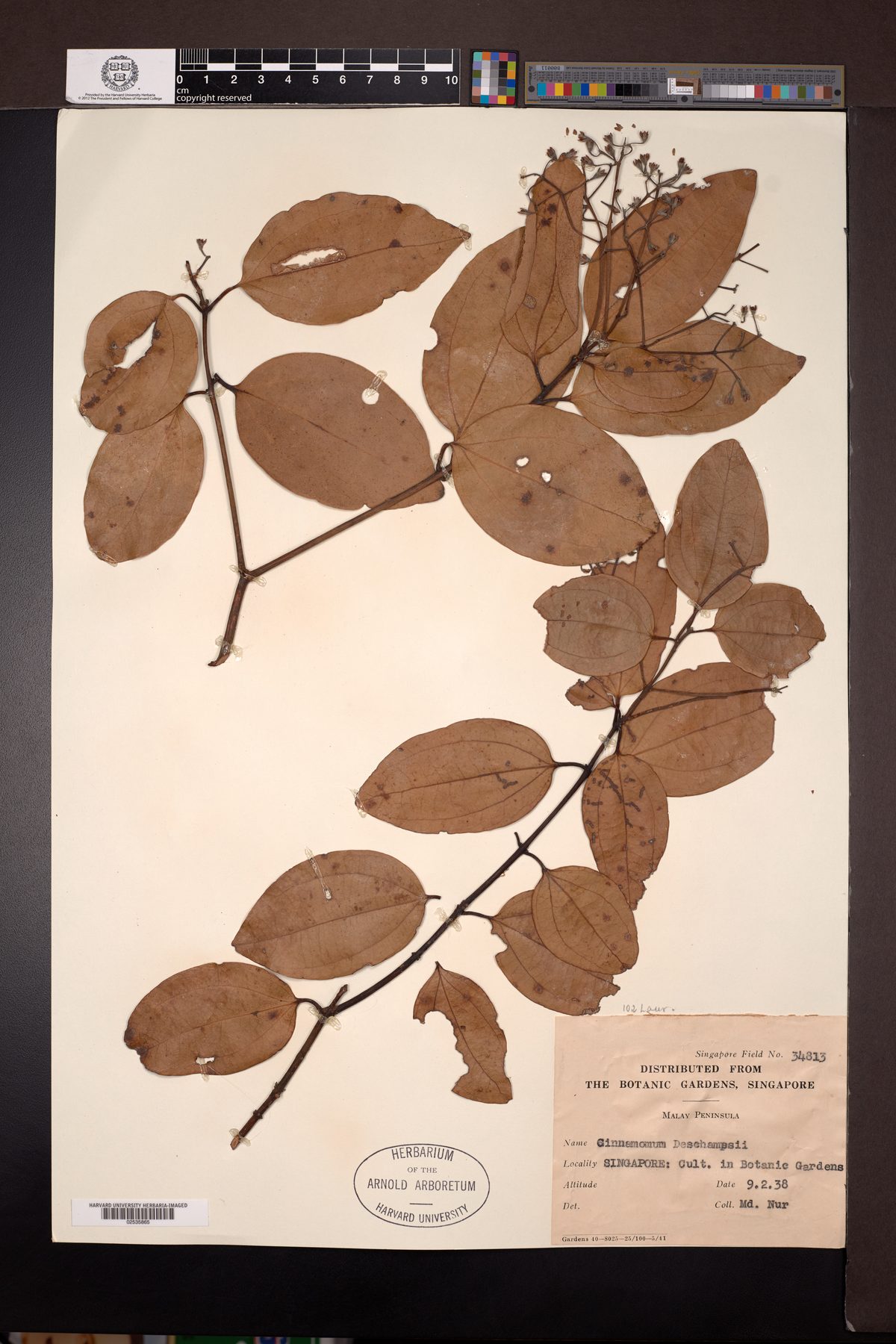
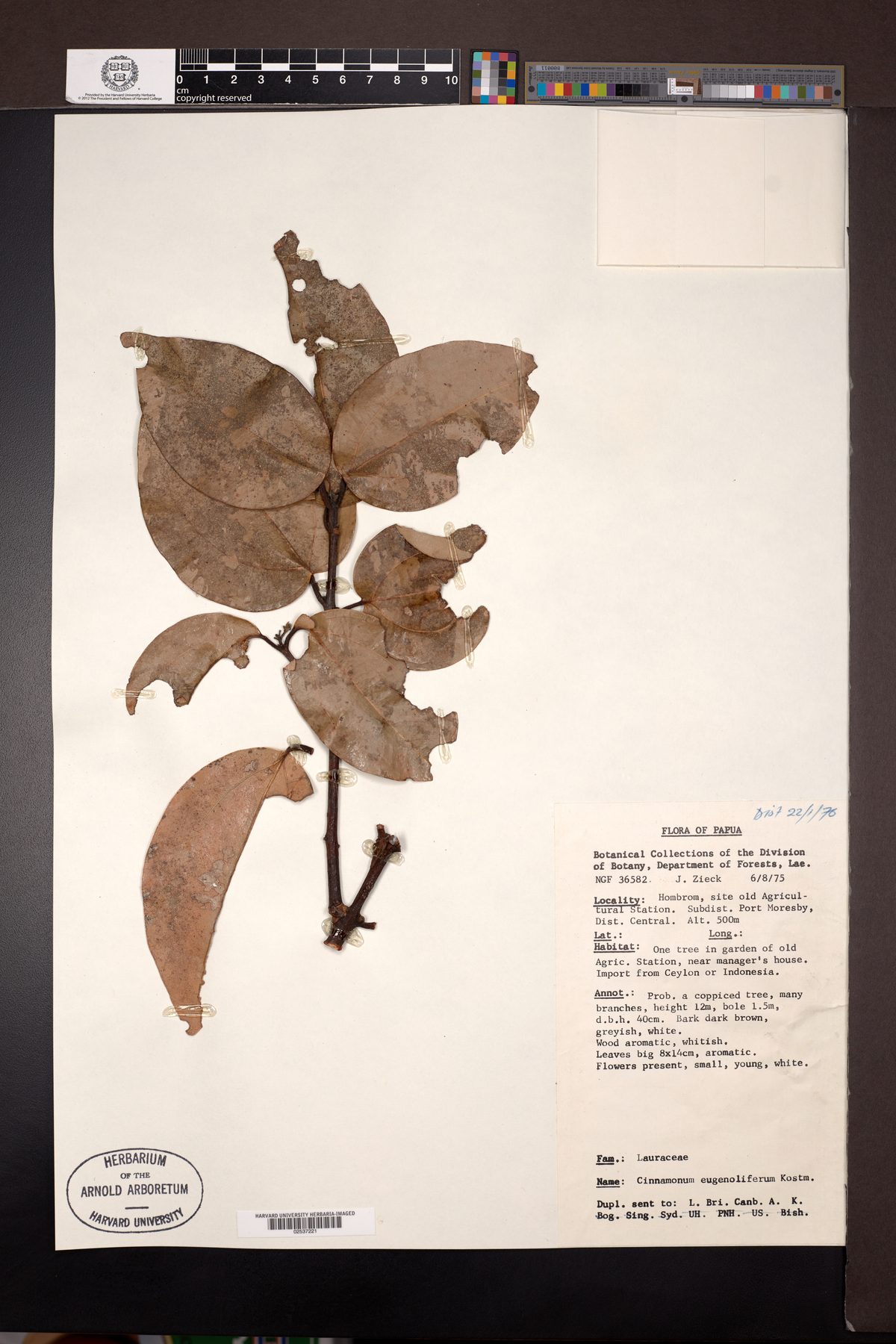
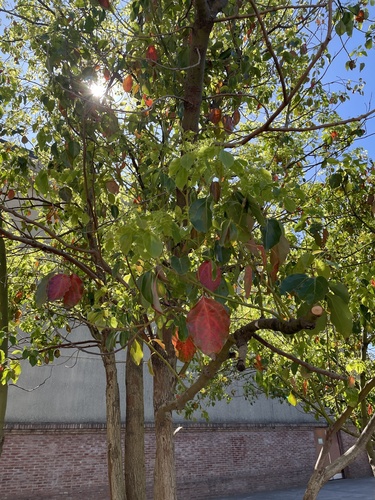
An evergreen tree. It grows between 5-25 m tall. The bark is green. The leaves are almost opposite. They are narrowly oval and 12-30 cm long by 4-9 cm wide. The flowers are small and have both sexes together. They are yellow and hairy. They are in dense panicles 13-16 cm long and in the axils of leaves. The fruit are narrowly oval and 13 mm long by 8 mm wide.
Edible Uses
The aromatic leaves are used as a spice with meat and fish. The young fruits are eaten as chutney. The bark and roots are also used as spice.
Traditional Uses
The aromatic leaves are used as a spice. They are used with meat and fish. The young fruit are eaten as chutney.
This uses section is brief — help expand it
Medicinal Uses
A decoction of the fresh bark is used as a treatment for stomach disorders. The bark is also used to treat fevers and urinary stones. The bark and its infusions have local medicinal use for the treatment of coughs, colds, toothaches, liver complaints and gall stones. The bark is broken up, then heated and used as a dressing to treat bone fractures and to aid wound healing. A paste made from the bark is applied to the forehead to treat headache and dizziness. The bark of this species is one of the three ingredietns of a popular Thai rejuvenative and blood tonic known as 'TriSuraPhon'. The other two ingredients are the woods of Cimmamomum parthenoxylon and Aquilaria crassna. The tonic is said to have a wide range of beneficial effects upon the general health, the individual components having been credited with diverse beneficial properties including antioxidant, anti-ischemic, antimicrobial, anticancer, hypoglycaemic, and hypolipidemic. Trials have shown that this tonic can help to normalize lipid levels in overweight individuals, also reducing highly atherogenic LDLC levels and increasing beneficial HDL-C levels. A slurry made from the woody part of the plant is used as lotion to treat muscle stiffness and pain, tingling and numbness, skin rashes and skin diseases and arthritis. The plant (part not specified) is used in traditional folklore medicine for the treatment of diarrhoea and liver troubles. An essential oil obtained from the fresh stem bark has shown strong antimicrobial activity against a range of bacteria, being highly effective against the gram-positive bacteria Staphylococcus and Streptococcus. A methanol extract of the bark has shown significant anthelmintic activity. Preliminary phytochemical tests showed that a methanolic extract of the plant has a greater amount of phyto-constituents compared to extractions using petroleum ether, ethyl acetate or chloroform.
Distribution
A tropical plant. It grows in forests between 600-1,800 m above sea level. In Yunnan.
Where It Grows
Asia, Bangladesh, Bhutan, China, Himalayas, India, Indochina, Laos, Myanmar, Nepal, Northeastern India, SE Asia, Thailand, Vietnam,
Cultivation
Species in this genus generally prefer an acidic soil with ample moisture in the growing season and a position with some shade. Species in this genus are generally able to resprout from basal wood if the top is damaged, and will soon recover from any damage. All parts of the plant are aromatic.
Propagation
Seed - the seed of species in this genus generally has a short viability and is best sown as soon in containers as it is ripe. Remove the fruit pulp since this can inhibit germination. Soaking the seeds for 24 hours in lukewarm water hastens germination, which can take 1 - 6 months at 20°c. The germination rate of fresh seed is about 50%, falling to 25% for seed 6 months old, and zero for those 1 year old. Stored seed should be sown as soon as possible in containers. When they are large enough to handle, prick the seedlings out into individual pots and plant them out into their permanent positions when 10cm or more tall. Cuttings of semi-ripe side shoots, 7cm with a heel, in a frame with bottom heat.
Other Uses
An essential oil is derived from the leafy branchlets, roots, and bark by steam distillation. It has medicinal uses and is also used as a mouth freshener. The wood is finely grained, somewhat soft, and used for house construction.
Other Information
It is an important spice in Hainan.
Notes
There are about 250 Cinnamomum species.
Synonyms
Also Known As
Barasingoli, Dun ye gui, Hipir ayin, Kinton, Op choei, Patichanda, Phatgoli, Que la tra, Ram tezpat, Sinkauli, Tej, Tezpat, Thak-thing-suak
References (14)
- Ambasta, S.P. (Ed.), 2000, The Useful Plants of India. CSIR India. p 125 (As Cinnamomum obtusifolium)
- Burkill, I.H., 1966, A Dictionary of the Economic Products of the Malay Peninsula. Ministry of Agriculture and Cooperatives, Kuala Lumpur, Malaysia. Vol 1 (A-H) p 560 (As Cinnamomum obtusifolium)
- Dangol, D. R. et al, 2017, Wild Edible Plants in Nepal. Proceedings of 2nd National Workshop on CUAOGR, 2017.
- Ghimeray, A. K., Lamsal, K., et al, 2010, Wild edible angiospermic plants of the Illam Hills (Eastern Nepal) and their mode of use by local community. Korean J. Pl. Taxon. 40(1) (As Cinnamomum obtusifolium)
- Kar, A., et al, 2013, Wild Edible Plant Resources used by the Mizos of Mizoram, India. Kathmandu University Journal of Science, Engineering and Technology. Vol. 9, No. 1, July, 2013, 106-126
Show all 14 references Hide references
- Seidemann J., 2005, World Spice Plants. Economic Usage, Botany, Taxonomy. Springer. p 100 (Also as Cinnamomum obtusifolium)
- Shrestha, S., 2021, Wild Edible Plants of Dhankuta, Eastern Nepal. Rupantaran : A Multidisciplinary Journal Vol. V : pp 100-109, September, 2021 p 103
- Taram, M., et al, 2018, Wild Food Plant Resources of Komkar Adi Tribe of Upper Siang District in Arunachal Pradesh, India. Bulletin of Arunachal Forest Research, Vol. 33(2), 27-35
- Tyagi, R. K., et al, 2004, Conservation of Spices Germplasm in India. Indian J. Plant Genet. Resour. 17(3): 163-174
- Uprety, Y., et al, 2016, Traditional use and management of NTFPs in Kangchenjunga Landscape: implications for conservation and livelihoods. Journal of Ethnobiology and Ethnomedicine (2016) 12:19
- N. Wallich, Pl. asiat. rar. 2:73. 1831 (As Cinnamomum obtusifolium)
- Wiersema, J. H. & Leon, B., 2013, World Economic Plants. A Standard Reference CRC Press. 2nd Ed. p 176
- World Checklist of Useful Plant Species 2020. Royal Botanic Gardens, Kew
- www.efloras.org Flora of China Volume 7