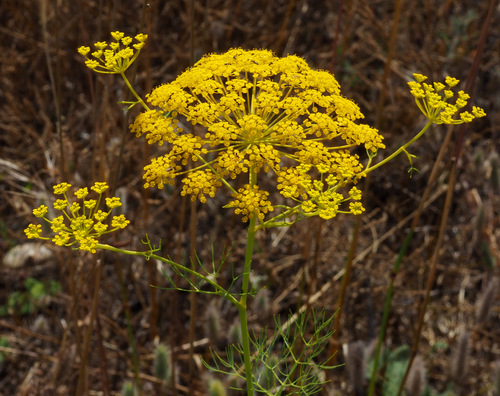
Heracleum mantegazzianum
Sommier & Levier
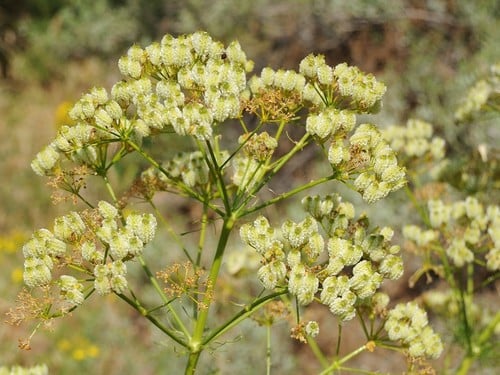
iNaturalist· cc-by-nc
(c) Felix Riegel, some rights reserved (CC BY-NC), uploaded by Felix Riegel
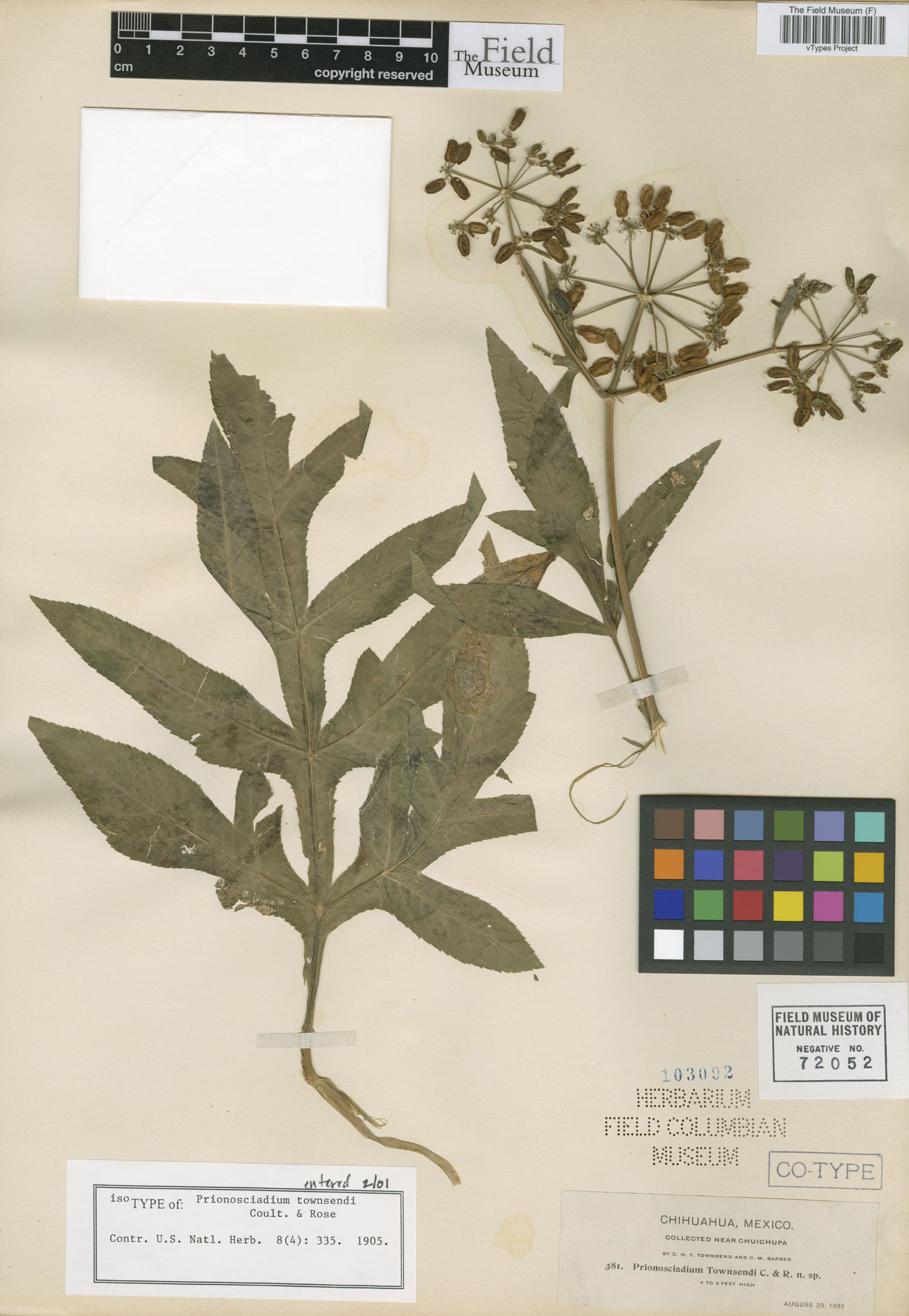
iNaturalist· cc-by-nc
(c) F. Bemmerlein-Lux, some rights reserved (CC BY-NC), uploaded by F. Bemmerlein-Lux
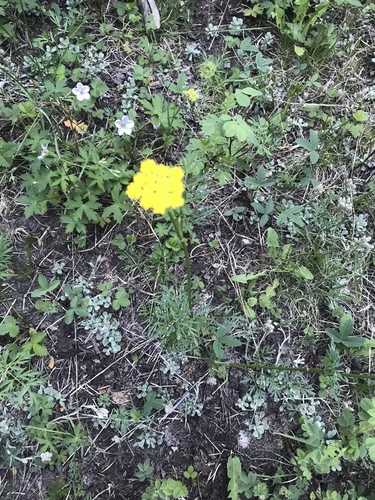
iNaturalist· cc-by
(c) Valerii Darmostuk, some rights reserved (CC BY), uploaded by Valerii Darmostuk
Summary
Source: WikipediaHeracleum mantegazzianum, commonly known as giant hogweed, is a monocarpic perennial herbaceous plant in the carrot family Apiaceae. H. mantegazzianum is also known as cartwheel-flower, giant cow parsley, giant cow parsnip, or hogsbane. In New Zealand, it is also sometimes called wild parsnip (not to be confused with Pastinaca sativa) or wild rhubarb. Giant hogweed is native to the western Caucasus region of Eurasia. Introduced to Britain as an ornamental plant in the 19th century, it has also spread to other areas of Western Europe, as well as the United States, and Canada. Its close relatives, Sosnowsky's hogweed and Persian hogweed, have similarly spread to other parts of Europe. The sap of giant hogweed is phototoxic and causes phytophotodermatitis in humans, resulting in blisters and scarring. These reactions are caused by furanocoumarin derivatives found in the leaves, roots, stems, flowers, and seeds of the plant. Consequently, many regions consider it a noxious weed.
Description
A temperate herb in the Apiaceae family with edible leaves.
This description is brief — help expand it
Known Hazards
The sap of the giant hogweed plant is phototoxic. The sap contains furanocoumarins, which leads to phytophotodermatitis, a serious skin inflammation. A phototoxic reaction can begin as soon as 15 minutes after contact with the sap. Photosensitivity peaks between 30 minutes and two hours after contact but can last for several days. Authorities advise that all humans (especially children) should stay away from giant hogweed. Protective clothing, including eye protection, should be worn when handling the plant. Parts of the body that come into contact with the sap of giant hogweed should be immediately washed with soap and cold water, and further exposure to sunlight should be avoided for at least 48 hours. Other Heracleum species such as H. maximum, are likewise phototoxic, and hence similar caution is advised. Owing to physical similarities to other hogweeds in the genus Heracleum, giant hogweed and its close relatives are sometimes mistaken for harmless plants. Poisoning via ingestion by humans is not known to occur, discounting phototoxicity from contact with external tissues, and consumption of small amounts of the plant is not deemed to be harmful. However, it should still be avoided due to the obvious extreme hazards created by proximity to the plant. Consumption by other grazing animals does not appear to cause them harm, and sheep have been trialled as a giant hogweed control agent in Scotland. The USDA Forest Service states that pigs and cattle can eat it without apparent harm.
Distribution
It is a temperate plant.
Where It Grows
Caucasus, Europe, Georgia, Luxembourg, Slovenia,
Also Known As
Kavkažki dežen
References (1)
- Bahadori, M. B. et al, 2016, The Genus Heracleum : A Comprehensive Review on Its Phytochemistry, Pharmacology, and Ethnobotanical Values as a Useful Herb. Comprehensive Reviews in Food Science and Food Safety. 15(6): p 1018-1039