Ammi visnaga - (L.)Lam.
(L.)Lam.
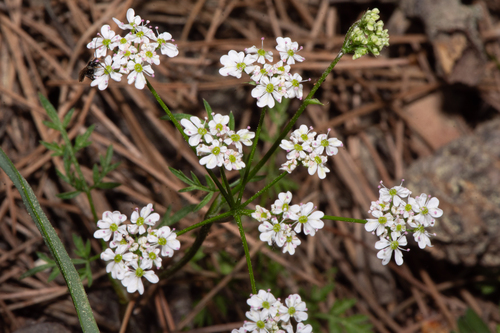
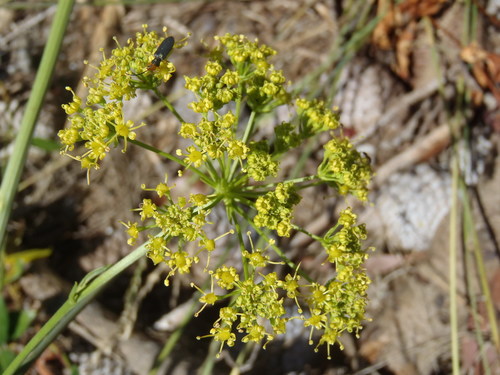
Visnaga. Khella. Bishop's Weed, Toothpickweed
gbif· cc-by-nc-sa
Sjoerd Westra
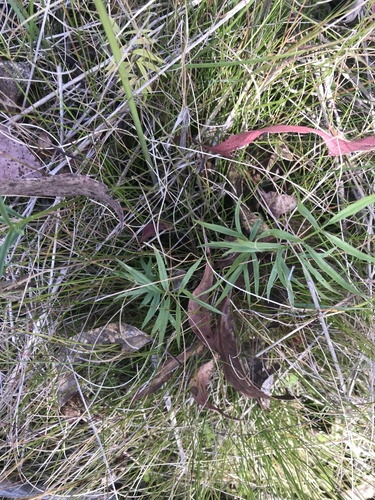
gbif· cc-by-nc-nd
Lieve coeman
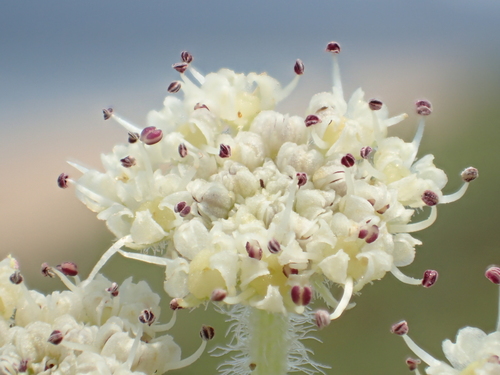
gbif· cc-by-nc-nd
BioSanlúcar
Description
Ammi visnaga is a ANNUAL/BIENNIAL growing to 0.8 m (2ft 7in) by 0.4 m (1ft 4in). It is in flower from July to September. The species is hermaphrodite (has both male and female organs) and is pollinated by Insects. The plant is self-fertile. Suitable for: light (sandy), medium (loamy) and heavy (clay) soils and prefers well-drained soil. Suitable pH: mildly acid, neutral and basic (mildly alkaline) soils and can grow in very alkaline soils. It can grow in semi-shade (light woodland) or no shade. It prefers moist soil.
Edible Uses
Leaves - raw. Chewed for their pleasant aromatic flavour.
Medicinal Uses
Antiarrhythmic Antiasthmatic Antispasmodic Diuretic Lithontripic Urinary Vasodilator. Visnaga is an effective muscle relaxant and has been used for centuries to alleviate the excruciating pain of kidney stones. Modern research has confirmed the validity of this traditional use. Visnagin contains khellin, from which particularly safe pharmaceutical drugs for the treatment of asthma have been made. The seeds are diuretic and lithontripic. They contain a fatty oil that includes the substance 'khellin'. This has been shown to be of benefit in the treatment of asthma. Taken internally, the seeds have a strongly antispasmodic action on the smaller bronchial muscles, they also dilate the bronchial, urinary and blood vessels without affecting blood pressure. The affect last for about 6 hours and the plant has practically no side effects. The seeds are used in the treatment of asthma, angina, coronary arteriosclerosis and kidney stones. By relaxing the muscles of the urethra, visnaga reduces the pain caused by trapped kidney stones and helps ease the stone down into the bladder. The seeds are harvested in late summer before they have fully ripened and are dried for later use.
Known Hazards
Skin contact with the sap is said to cause photo-sensitivity and/or dermatitis in some people. Avoid during pregnancy and lactation. Avoid if on warfarin or other blood thinning medication. Prolonged use may lead to: constipation, appetite loss, headaches, vertigo, nausea and vomiting.
Distribution
C. Europe to W. Asia and N. Africa.
Where It Grows
TEMPERATE ASIA: Cyprus, Iran, Iraq, Israel, Lebanon, Syria, Turkey, Armenia, Azerbaijan, Georgia EUROPE: Albania, Greece, Italy (incl. Sardinia, Sicily), Spain (incl. Baleares), France (s. & Corsica), Portugal AFRICA: Algeria, Libya, Morocco, Tunisia
Cultivation
Prefers a well-drained soil in a sunny position, succeeding in ordinary garden soil. Tolerates a pH in the range 6.8 to 8.3. This species is not fully winter-hardy in the colder areas of Britain, though it should be possible to grow it as a spring-sown annual. This plant is sold as toothpicks in Egyptian markets.
Propagation
Seed - sow spring in situ.
Other Uses
Teeth. The fruiting pedicel is used as a toothpick whilst the seeds have been used as a tooth cleaner.