Bignonia capreolata
L.
Cross vine
iNaturalist· cc-by-nc
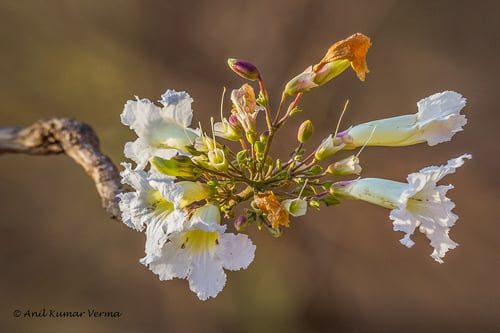
(c) Greg Lasley, some rights reserved (CC BY-NC), uploaded by Greg Lasley
iNaturalist· cc-by-sa
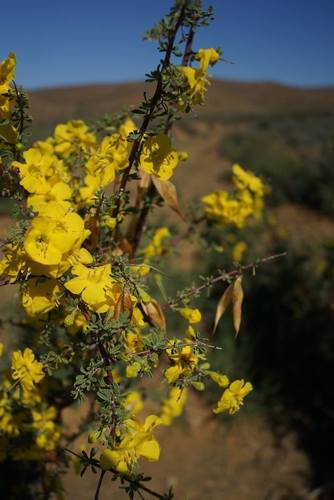
(c) Douglas Goldman, some rights reserved (CC BY-SA), uploaded by Douglas Goldman
iNaturalist· cc-by-nc
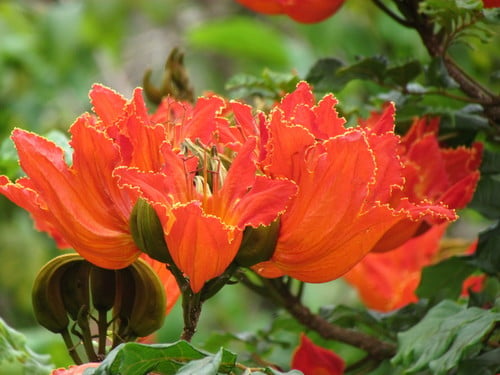
(c) Robby Deans, some rights reserved (CC BY-NC), uploaded by Robby Deans
Summary
Source: WikipediaBignonia capreolata is a vine commonly referred to as crossvine. The common name refers to the cross-shaped pattern revealed when the stem is cut; this pattern results from four radial wedges of phloem embedded within the stem's xylem. It is native to the central and southern United States. The vine climbs without twining but does produce tendrils. It produces long tubular flowers which are red and yellow and frequently have a mocha fragrance. The leaves are dark green to almost purple and produced as opposite pairs with terminal tendrils. The vine often climbs very high, with leaves only remaining on the uppermost portion of the plant. Crossvine can spread aggressively through stolons and may need to be managed in garden or domestic settings. There was for some time confusion surrounding the name of this plant, which was apparently sometimes referred to as "Bignonia crucigera", a name more properly referring to a different plant altogether.
Description
A vine.
This description is brief — help expand it
Edible Uses
Due to its vibrant flowers and dense foliage, Bignonia capreolata is a popular choice for decorative purposes. It is often used to cover pergolas, arbors, fences, and walls, creating a lush, natural canopy. Its fast growth and ability to climb vertical structures make it particularly effective for landscaping projects that aim to add height or cover unsightly areas. The vine is frequently planted for erosion control along slopes and riverbanks, where its extensive root system helps stabilize soil. It has an ability to thrive in various conditions and its tubular flowers attract hummingbirds and butterflies.
Medicinal Uses
One 18th century report describes a medicinal use for cross-vine by the Cherokee people: The vines or climbing stems of the climber (Bigonia Crucigera) are equally divided longitudinally into four parts by the same number of their membranes somewhat resembling a piece of white tape by which means, when the vine is cut through and divided traversely, it presents to view the likeness of a cross. This membrane is of a sweet, pleasant taste. The country people of Carolina crop these vines to pieces, together with china brier and sassafras roots, and boil them in their beer in the spring, for diet drink, in order to attenuate and purify the blood and juices. It is a principal ingredient in Howard's famous infusion for curing the yaws, etc., the virtues and use of which he obtained from Indian Doctors. In 2012, researchers at Bastyr University published a paper revealing that they had identified the indole alkaloid reserpine in crossvine. The vine has been used by the native Americans for many health alignments such as, to purify blood by an infusion of leaves. The bark has been smashed and used for edema and headaches and gargled the mashed root for infusion.
Distribution
It is a temperate plant.
Where It Grows
North America, USA,
Synonyms
Also Known As
Quarter vine, Trumpet flower, Trumpet vine
References (1)
- Kermath, B. M., et al, 2014, Food Plants in the Americas: A survey of the domesticated, cultivated and wild plants used for Human food in North, Central and South America and the Caribbean. On line draft. p 133