Mansoa hymenaea
(Lam.) Sandwith
Garlic vine
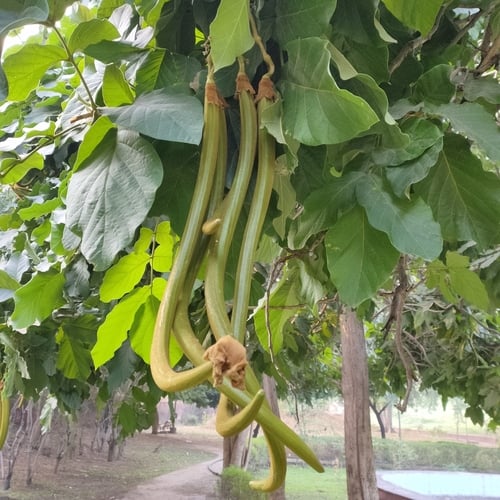
iNaturalist· cc-by
(c) Dick Culbert, some rights reserved (CC BY)
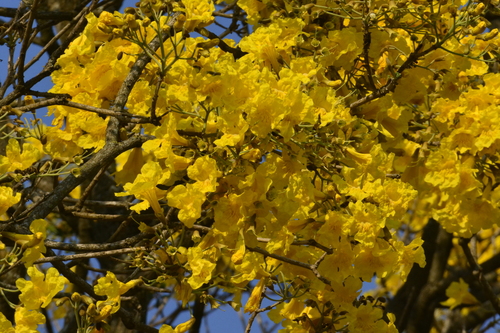
iNaturalist· cc-by-nc
(c) Alexander Mejia, some rights reserved (CC BY-NC)
Summary
Source: WikipediaMansoa hymenaea is a species of liana in the family Bignoniaceae. It is native to Mexico through South America.
Description
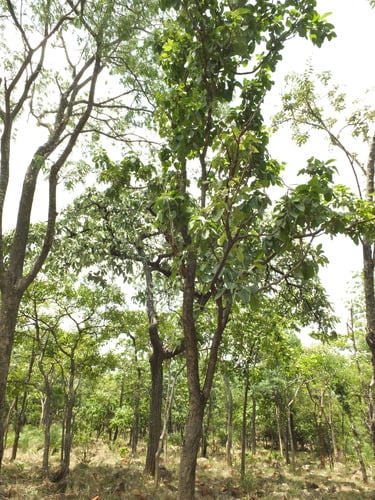
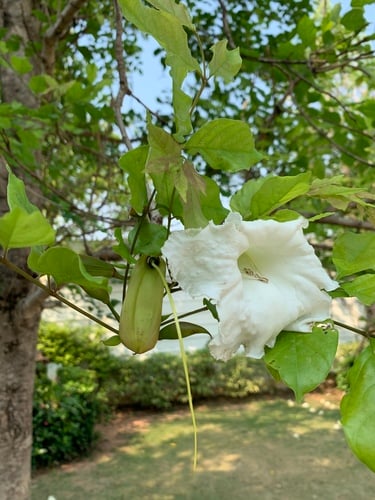
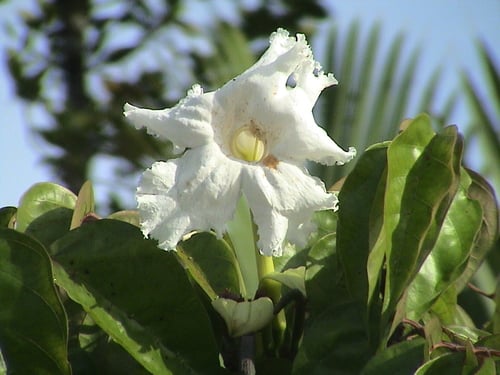
A climbing shrub or woody vine. It grows on fences and hedges. It has tendrils. It grows 3-5 m long. Young stems are angular. The leaves are opposite and have 2 leaflets. The leaflets are 6-10 cm long by 3-6 cm wide. They are narrowly oval. The leaves are glossy. The flowers are trumpet shaped and purple. They occur in clusters. It smells a bit like garlic.
Edible Uses
The leaves and young stems have a garlic flavor and are used as a culinary flavoring, serving the same purpose as garlic in cooking.
Traditional Uses
The leaves are used in the same way as garlic. The garlic flavoured leaves and stems are used as flavouring.
This uses section is brief — help expand it
Medicinal Uses
The plants are used by shamans to cleanse 'bad air', 'bad dirty' and 'evil spirits'. The leaves and stems, macerated in water, are spread in houses to prevent disease. The macerated stem and leaves are used to prevent flu and to treat problems urinating. The crumbled tender leaves are cooked and drunk to lower fevers. The plant is also used to treat other, indeterminate, conditions
Distribution
A tropical plant. It can tolerate drought.
Where It Grows
Asia, Brazil, Central America, China, Costa Rica, Guiana, Guianas, Guyana, Hawaii, Indochina, Mexico, North America, Pacific, SE Asia, South America, Suriname, Thailand, USA, Vietnam,
Cultivation
It is grown from stem cuttings. It can also be grown by seed.
Other Uses
The tender leaves, shredded and cooked, are used in fresh water baths (Tsa'chi-Pichincha). The stem is used to make saddles for horses and donkeys, and as a rope to build rafts, corrals and fences
Synonyms
Also Known As
Ajo natural, Bejuco de ajo, Do boin, Domoin, Gatiem-tao, Hierba de ajo, Hong trinh, Kra-thiam-thao, Mata de ajo
References (7)
- Castaneda, H., & Stepp, J. R., 2007, Ecosystems as Sources of Useful Plants for the Guaymi People of Costa Rica. Ethnobotany Journal. 5:249-257
- D'Ambrosio, U., & Puri, R. K., 2016, Foodways in transition: food plants, diet and local perceptions of change in a Costa Rican Ngäbe community. Journal of Ethnobiology and Ethnomedicine (2016) 12:3 p 22
- Engel, D.H., & Phummai, S., 2000, A Field Guide to Tropical Plants of Asia. Timber Press. p 203 (As Pachyptera hymenea)
- Kermath, B. M., et al, 2014, Food Plants in the Americas: A survey of the domesticated, cultivated and wild plants used for Human food in North, Central and South America and the Caribbean. On line draft. p 522
- Langlois, H. C., 2004, Ethnobotanical analysis of different successional stages as sources of wild edible plants for the Guaymi people in Costa Rica. M. Sc. thesis University of Florida.
Show all 7 references Hide references
- McMakin, P.D., 2000, Flowering Plants of Thailand. A Field Guide. White Lotus. p 10
- Staples, G.W. and Herbst, D.R., 2005, A tropical Garden Flora. Bishop Museum Press, Honolulu, Hawaii. p 184