Talisia sylvatica
(Aubl.) Radlk.
iNaturalist· cc-by-nc
(c) Nils Servientis - Bivouac Naturaliste, some rights reserved (CC BY-NC), uploaded by Nils Servientis - Bivouac Naturaliste
iNaturalist· cc-by-nc
(c) Nils Servientis - Bivouac Naturaliste, some rights reserved (CC BY-NC)
Description
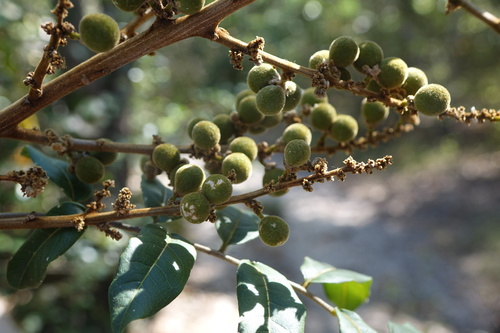
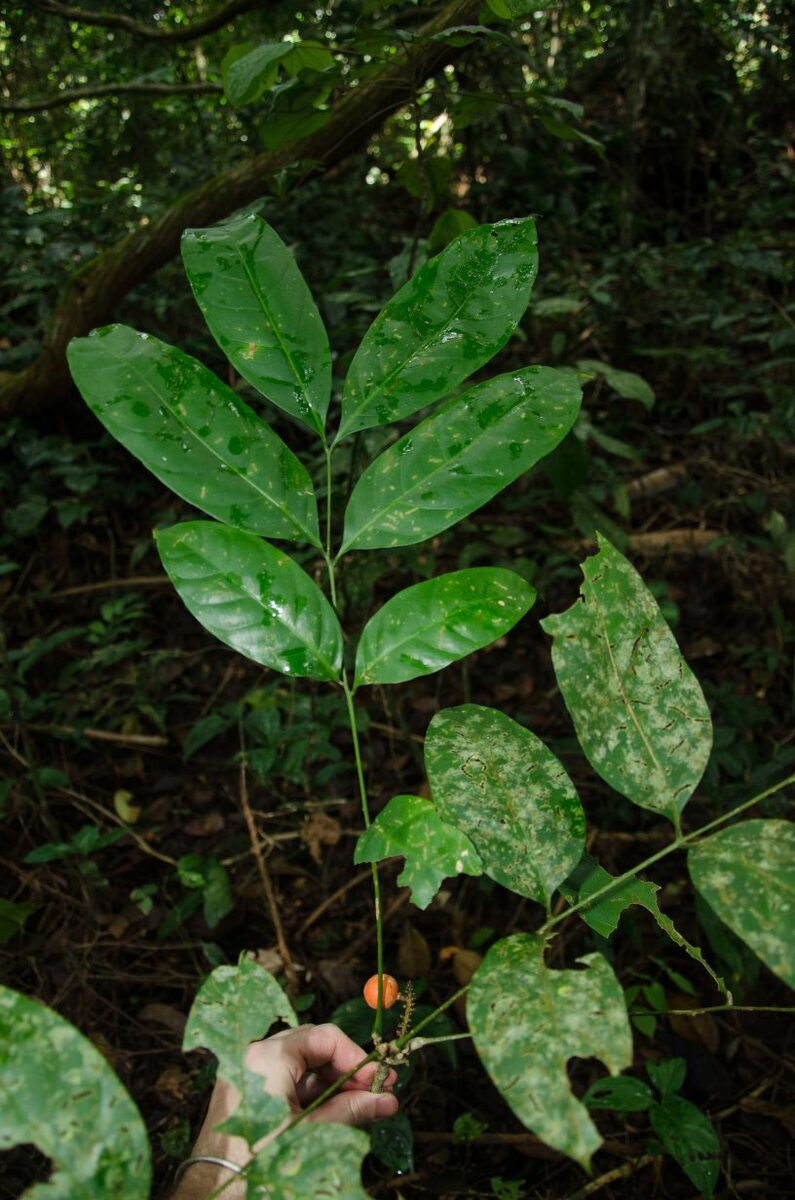
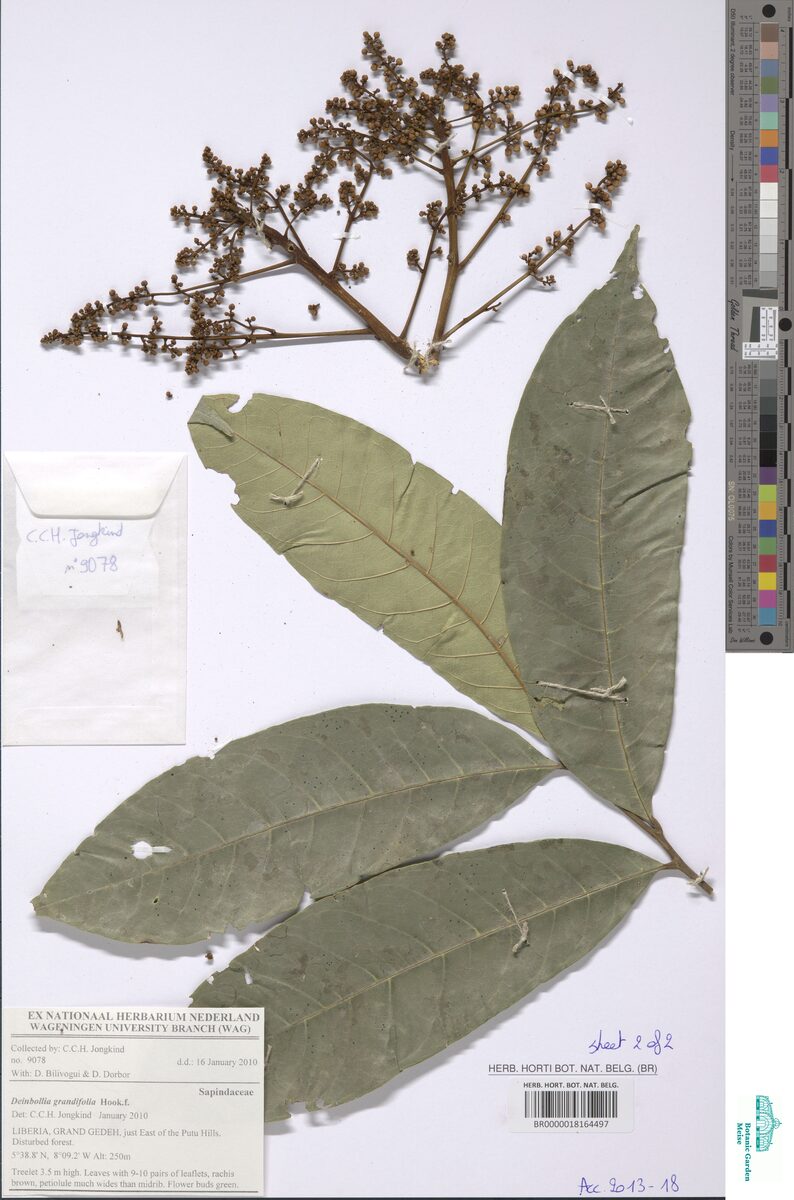
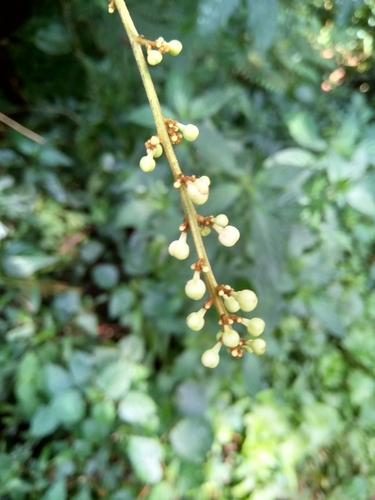
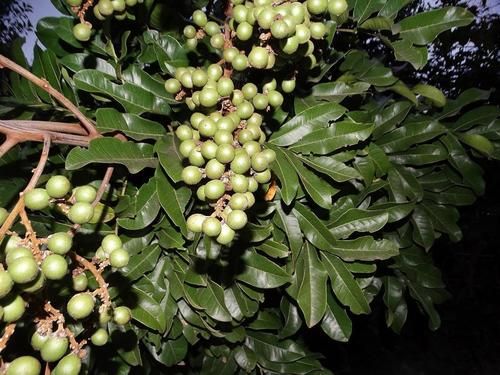
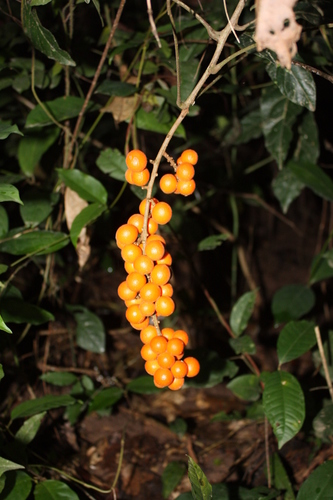
A small tree. It grows 2-8 m tall. It has few branches. The trunk is 8 cm across. The bark is light brown. The leaves have leaflets arranged in spirals. The leaf stalks are 12-21 cm long. The stalk is 19-32 cm long with 5-14 leaflets. These are alternate or opposite and 8-26 cm long by 4-9 cm wide. They are hairy underneath. The fruit are green and turn yellow to orange when ripe. They are 2 cm long. There is a single seed with a fleshy cream to yellow coating.
Edible Uses
The fruit is eaten.
Distribution
It is a tropical plant.
Where It Grows
Amazon, Brazil, French Guiana, Guianas, Guyana, Peru, South America, Suriname, Venezuela,
Synonyms
Also Known As
Azobene, Bois flambeau, Bosknippa, Gaullette indien, Paicoussa, Tepuime, Touliatan, Tepu, Virote huayo
References (4)
- Grandtner, M. M. & Chevrette, J., Dictionary of Trees, Volume 2: South America: Nomenclature, Taxonomy and Ecology. Elsevier, p 655
- Kermath, B. M., et al, 2014, Food Plants in the Americas: A survey of the domesticated, cultivated and wild plants used for Human food in North, Central and South America and the Caribbean. On line draft. p 855
- Flora of the Guianas.
- Reis, S. V. and Lipp, F. L., 1982, New Plant Sources for Drugs and Foods from the New York Botanical Garden herbarium. Harvard. p 170 (As Talisia reticulata)