Deinbollia borbonica
Scheff.
Soap berry
iNaturalist· cc0
no rights reserved, uploaded by Romer N. Rabarijaona
iNaturalist· cc0
no rights reserved
Description
A shrub or small tree. It grows between 1-7 m high. The trunk is not branched. The leaves are 30 cm long. There are 3-8 stalks of leaflets and the small leaflets are 4 mm long. The main leaflets are 5-14 cm long by 2-5 cm wide. They are narrowly oval. There are 14 pairs of side veins. The flowering cluster can be 45 cm long. The flowers are small and white and separately male and female along branched heads. The fruit occur in groups of 1-3. The fruit is 12 mm long and 10 mm wide. It is oval. There are seeds in the white flesh.
Edible Uses
Fruit - raw. The white, mucilaginous flesh has a sweet flavour. It is eaten as a snack, mainly by children and travellers. The yellow-red, oval to round fruit is about 10mm long, densely covered with golden brown hairs at first. Leaves - cooked and eaten as a vegetable.
Medicinal Uses
The roots are used for preparation of medicine to treat stomach-ache and boils.
Distribution
A tropical plant. It grows in open woodland on sandy soils. It grows in the lowlands. It is common in coastal areas of Kenya. In Tanzania it grows from sea level to 1,000 m above sea level.
Where It Grows
Africa, Comoros, East Africa, Kenya, Malawi, Mozambique, Reunion, Somalia, Southern Africa, Tanzania, Zambia,
Other Uses
The wood is used to make spoons. The wood is used for fuel and to make charcoal.
Other Information
The fruit are eaten especially by children.
Notes
There are 30-40 Deinbollia species.
Synonyms
Also Known As
Kajambalame, Lovoa, Mbotomwaka, Mdala-mwaka, Mkilimu, Mkunguma, Mlangola, Mmoyomoyo, Mpungamaoka, Mpwakapwaka, Mudala-mwaka, Mukakinya-kusia, Mukovate, Mupalamwaka, Mwakamwaka, Mwenda-kuzimu, Tlambi
References (14)
- Dale, I. R. and Greenway, P. J., 1961, Kenya Trees and Shrubs. Nairobi. p 509
- East African Herbarium records, 1981,
- Flora Zambesiaca. http://apps.kew.org/efloras
- Fowler, D. G., 2007, Zambian Plants: Their Vernacular Names and Uses. Kew. p 84
- Grivetti, L. E., 1980, Agricultural development: present and potential role of edible wild plants. Part 2: Sub-Saharan Africa, Report to the Department of State Agency for International Development. p 47
Show all 14 references Hide references
- Jardin, C., 1970, List of Foods Used In Africa, FAO Nutrition Information Document Series No 2.p 131
- Msuya, T. S., et al, 2010, Availability, Preference and Consumption of Indigenous Foods in the Eastern Arc Mountains, Tanzania, Ecology of Food and Nutrition, 49:3, 208-227
- Mutie, F. M., et al, 2023, Important Medicinal and Food Taxa (Orders and Families) in Kenya, Based on Three Quantitative Approaches. Plants 2023, 12, 1145
- Pakia, M., 2000, Plant Ecology and Ethnobotany of two sacred forests (Kayas) at the Kenya Coast. M. Sc. Thesis.
- Peters, C. R., O'Brien, E. M., and Drummond, R.B., 1992, Edible Wild plants of Sub-saharan Africa. Kew. p 180
- Ruffo, C. K., Birnie, A. & Tengnas, B., 2002, Edible Wild Plants of Tanzania. RELMA p 258
- Schatz, G.E., 2001, Generic Tree Flora of Madagascar. Royal Botanical Gardens, Kew and Missouri Botanical Garden. p 364 (Genus)
- Walsh, M., 2009, The Use of Wild and Cultivated Plants as famine Foods on Pemba Island, Zanzibar. Études océan Indien. 42-43
- World Checklist of Useful Plant Species 2020. Royal Botanic Gardens, Kew
More from Sapindaceae
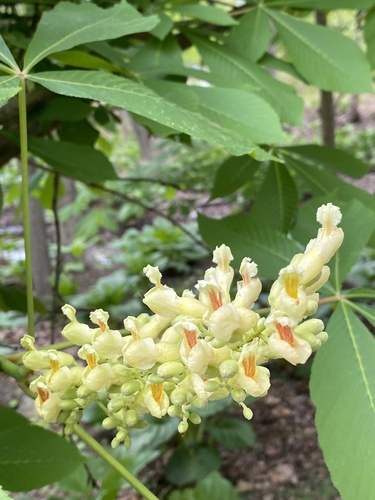
Aesculus flava
Sweet buckeye, Horse Chestnut, Yellow Buckeye
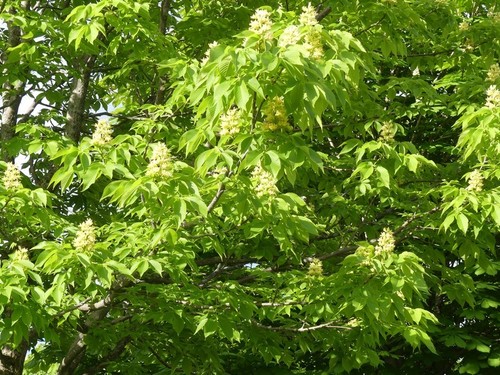
Aesculus glabra
Ohio buckeye, Fetid buckeye
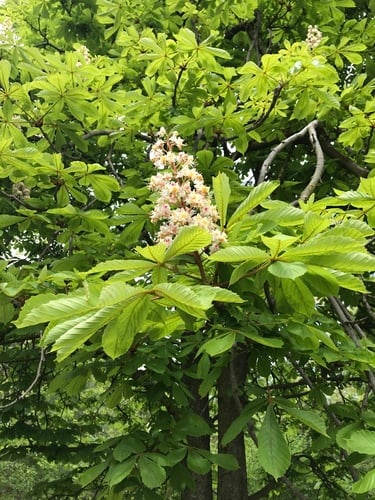
Aesculus hippocastanum
European horse chestnut
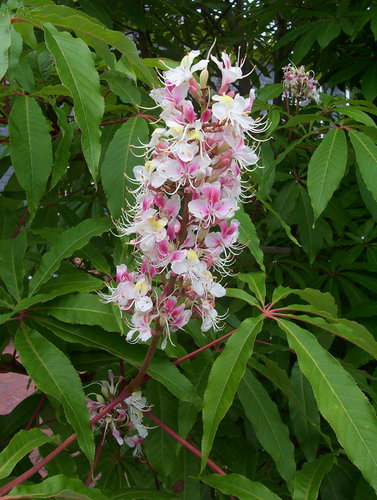
Aesculus indica
Indian chestnut, Indian horse chestnut
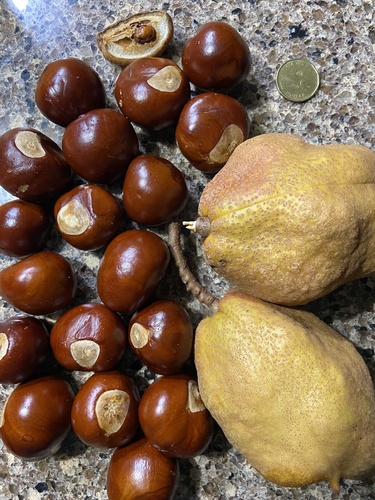
Aesculus octandra
Yellow buckeye, Sweet buckeye, Big buckeye
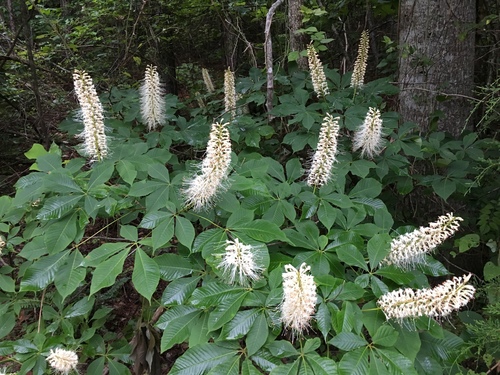
Aesculus parviflora
Dwarf buckeye, Bottlebrush Buckeye