Deinbollia grandifolia
Hook. f.
gbif· cc-by
Meise Botanic Garden
gbif· cc-by
Royal Botanic Gardens, Kew
gbif· cc-by
Royal Botanic Gardens, Kew
Description
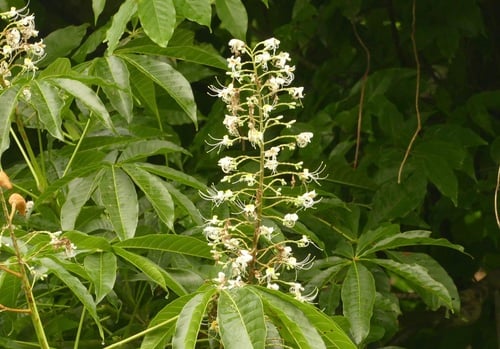
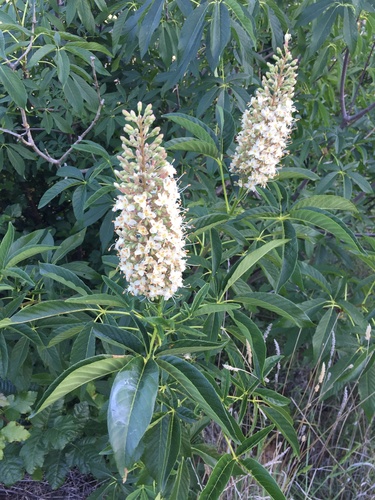
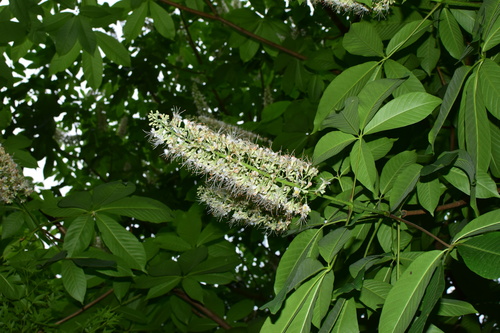
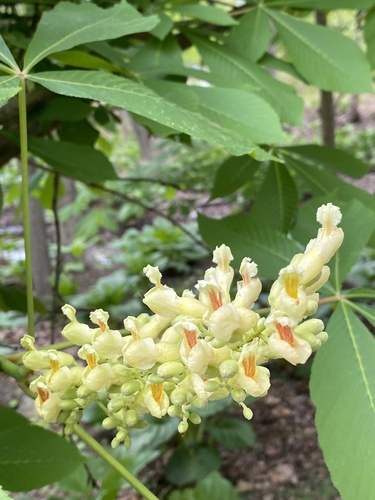
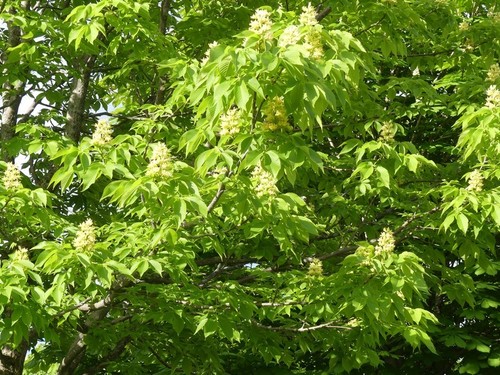
A shrub or small tree. It grows 8 m high. The bark has a strong smell. The trunk is 30 cm across. The leaves are alternate and have leaflets along the stalk. The leaves can be 100 cm long. There are about 7 pairs of leaflets. The leaflets are 13-30 cm long by 5-8 cm wide. They are wedge shaped at the base and unequal on the sides. The flowers are of one sex. They are greenish-yellow. The fruit is a round or oval berry 1.5 cm long. It is fleshy and orange when ripe. There is one seed.
Edible Uses
The fruit and seeds are edible.
Distribution
A tropical plant. It grows in the deciduous forest in West Africa. It can tolerate shade.
Where It Grows
Africa, Cameroon, Central Africa, Central African Republic, CAR, Chad, Congo, Côte d'Ivoire, Gabon, Ghana, Ivory Coast, Liberia, Sierra Leone, Togo, West Africa,
Also Known As
Kondinboiboi, Kuurii, Potoke, Tundu-kpalo
References (9)
- Abbiw, D.K., 1990, Useful Plants of Ghana. West African uses of wild and cultivated plants. Intermediate Technology Publications and the Royal Botanic Gardens, Kew. p 46
- Burkill, H. M., 1985, The useful plants of west tropical Africa, Vol. 5. Kew.
- Busson, 1965,
- Dalziel, J. M., 1937, The Useful plants of west tropical Africa. Crown Agents for the Colonies London.
- Jardin, C., 1970, List of Foods Used In Africa, FAO Nutrition Information Document Series No 2.p 42, 132
Show all 9 references Hide references
- Menninger, E.A., 1977, Edible Nuts of the World. Horticultural Books. Florida p 70
- Peters, C. R., O'Brien, E. M., and Drummond, R.B., 1992, Edible Wild plants of Sub-saharan Africa. Kew. p 180
- Wickens, G.E., 1995, Edible Nuts. FAO Non-wood forest products. FAO, Rome. p150
- World Checklist of Useful Plant Species 2020. Royal Botanic Gardens, Kew