Tragia insuavis
Prain
No photos yet for Tragia insuavis
Sign in to contribute a photoDescription
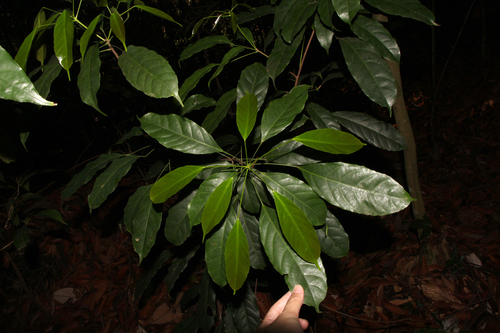
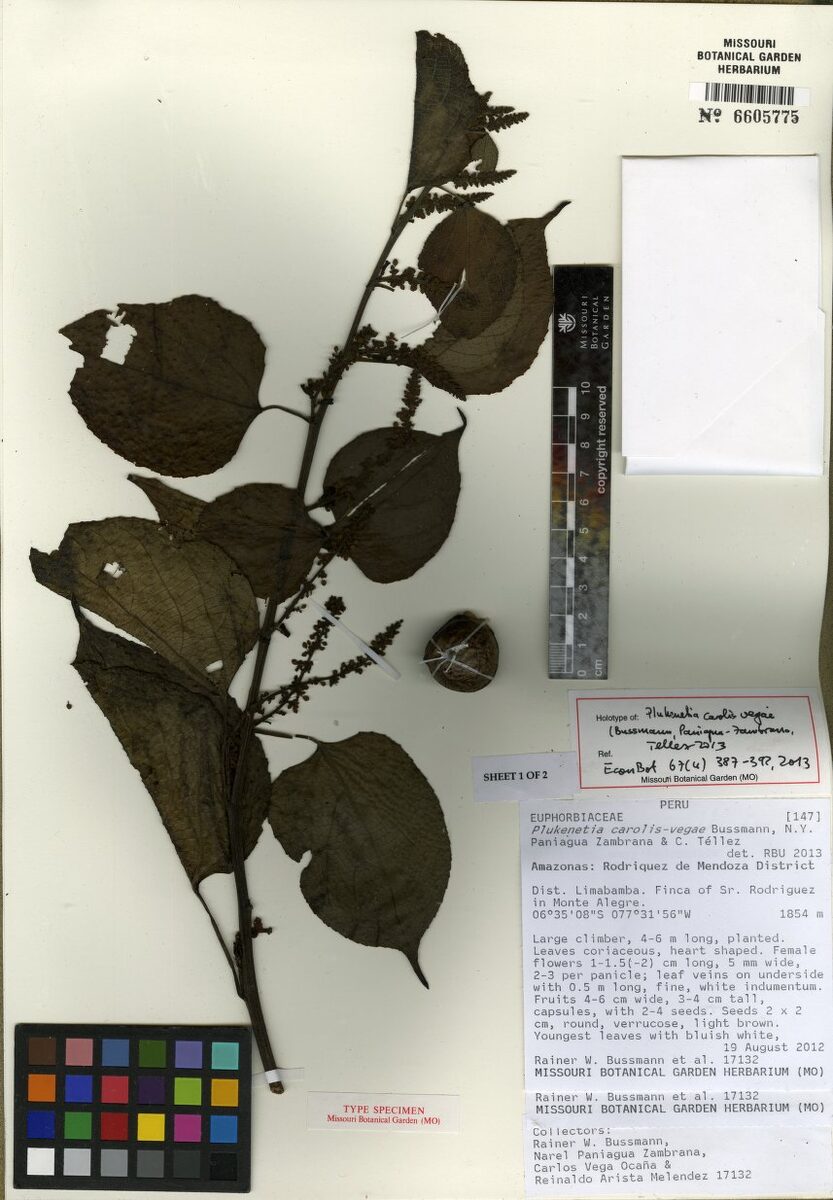
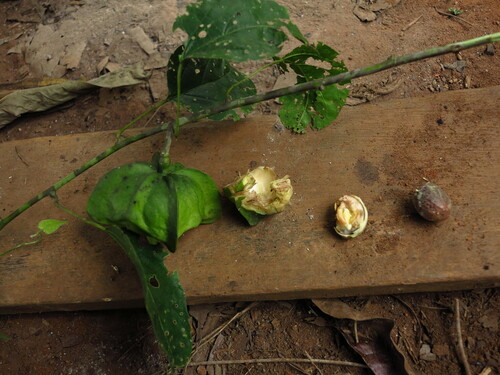
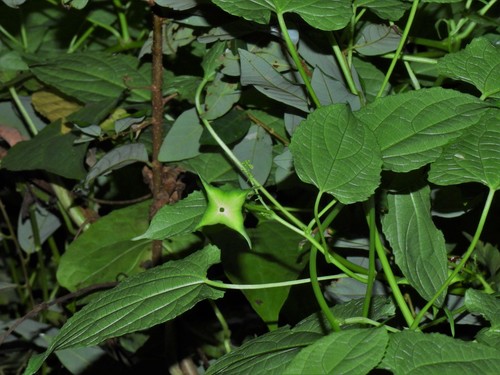
A slender twining or trailing herb. It keeps growing from year to year. There are stinging hairs on the stems and leaves. The stems come from a woody rootstock. The stems twine anticlockwise. The leaves are alternate and oval. They are heart shaped at the base. The stalk is 1-6 cm long. The leaf blade is 4-10 cm long. They are bright green above and more pale underneath. The flowers are yellow to green. The are very small. The male and female flowers are separate. They are beside the leaves on the stalk. The fruit is a lobed capsule.
Edible Uses
Leaves - cooked. The tender leaves are chopped and cooked alone, or can be mixed with other vegetables such as amaranth, beans or peas. Coconut milk, pounded groundnuts or pounded sunflower seed may be added and then the whole is served with a staple food such as ugali, rice or potatoes. Care must be exercised when harvesting the leaves because of their stinging hairs.
Traditional Uses
The young leaves are chopped and cooked alone or mixed with other vegetables. Caution: It has stinging hairs.
This uses section is brief — help expand it
Known Hazards
The plant has stinging hairs.
Distribution
It is a tropical plant. It grows in woodland and can be beside lakes and rivers. In Tanzania it grows between 500-1,300 m above sea level.
Where It Grows
Africa, East Africa, Kenya, Tanzania,
Cultivation
Plants can be grown from seeds.
Production
Leaves are collected during the rainy season.
Also Known As
Mbawa, Nyaluvalfya
References (2)
- Ruffo, C. K., Birnie, A. & Tengnas, B., 2002, Edible Wild Plants of Tanzania. RELMA p 666
- World Checklist of Useful Plant Species 2020. Royal Botanic Gardens, Kew