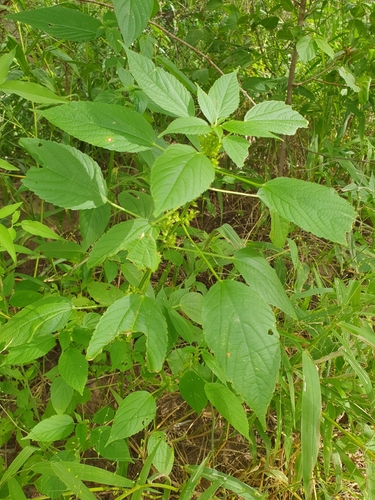
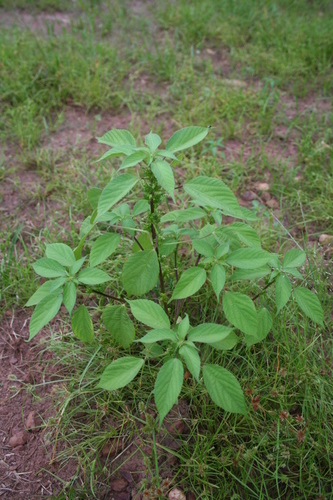
Securinega suffruticosa - (Pall.)Rehder.
(Pall.)Rehder.
gbif· cc-by-nc-sa
MBG
gbif· cc-by-nc-sa
MBG
gbif· cc-by
Royal Botanic Gardens, Kew
Description
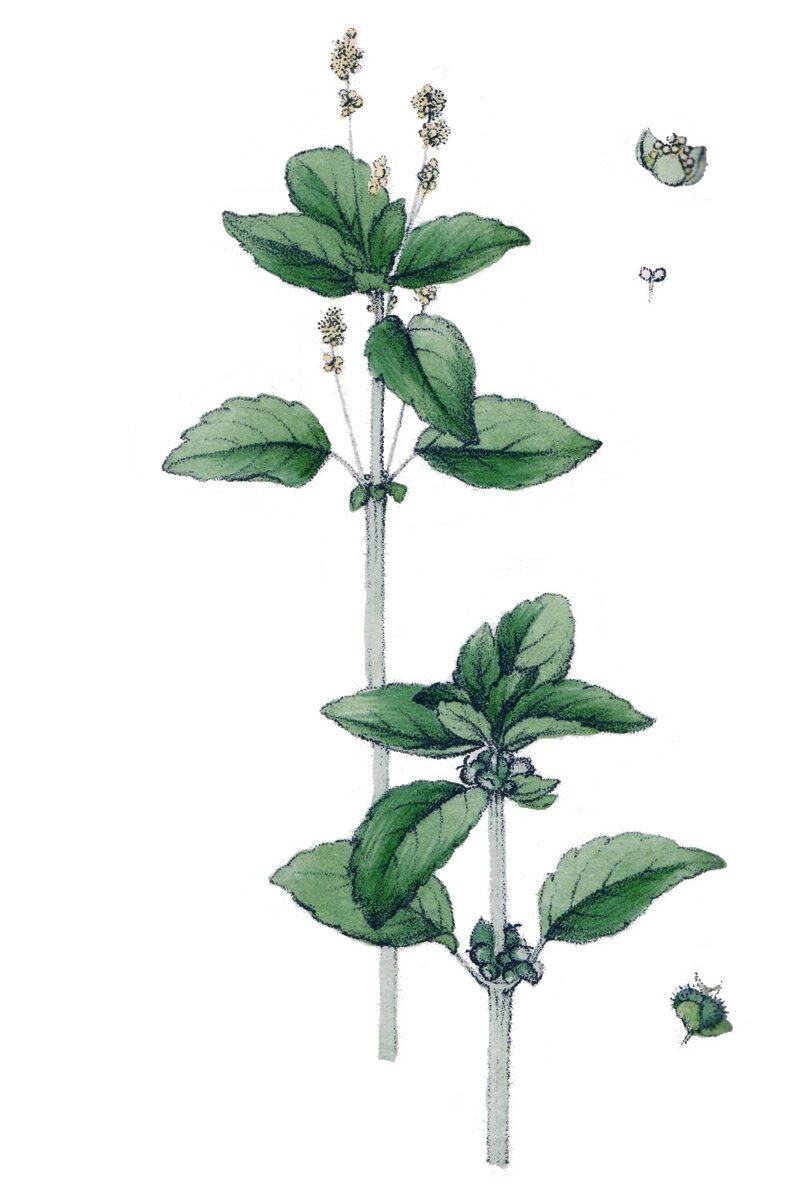
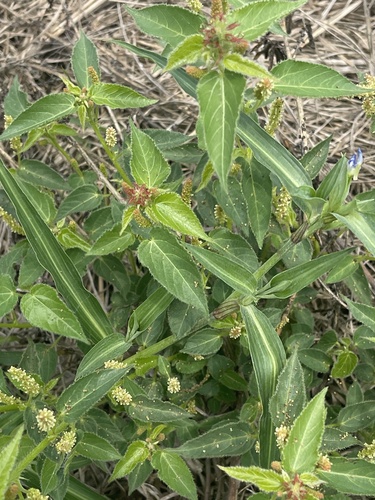
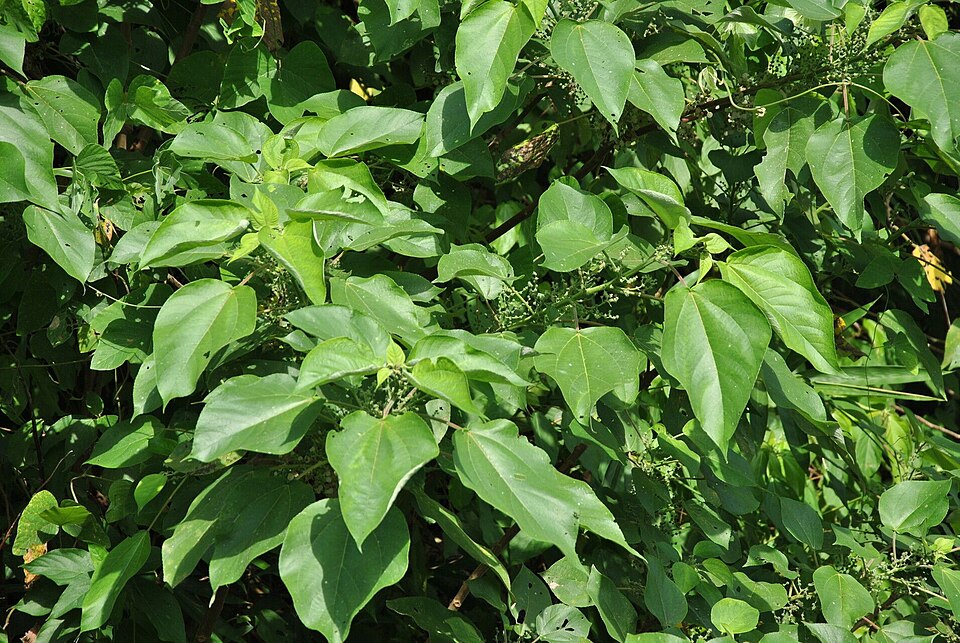
Securinega suffruticosa is a deciduous Shrub growing to 1.5 m (5ft). It is in flower from August to September, and the seeds ripen from September to October. The species is dioecious (individual flowers are either male or female, but only one sex is to be found on any one plant so both male and female plants must be grown if seed is required). . The plant is not self-fertile. Suitable for: light (sandy), medium (loamy) and heavy (clay) soils. Suitable pH: mildly acid, neutral and basic (mildly alkaline) soils. It can grow in semi-shade (light woodland) or no shade. It prefers moist soil.
Edible Uses
Young budlings, dried and steeped in water. (Does this refer to the leaf buds or the flower buds?) Fruit. No further details are given.
Medicinal Uses
This plant is commonly used in Chinese herbalism, where it is considered to be one of the 50 fundamental herbs. It is used in the treatment of contusions and nervous paralysis. The plant contains securinine, this acts as a stimulant on the central nervous system - it is particularly useful in the treatment of facial paralysis and is also thought to be of value in the treatment of multiple sclerosis.
Distribution
E. Asia - Japan.
Where It Grows
TEMPERATE ASIA: Russian Federation (Chita), Mongolia, Russian Federation (Primorye, Amur (southeast)), China (Anhui Sheng, Fujian Sheng, Guangdong Sheng, Guangxi Zhuangzu Zizhiqu, Guizhou Sheng, Hebei Sheng, Heilongjiang Sheng, Henan Sheng, Hubei Sheng, Hunan Sheng, Jiangsu Sheng, Jiangxi Sheng, Jilin Sheng, Liaoning Sheng, Nei Mongol Zizhiqu, Ningxia Huizi Zizhiqu, Shandong Sheng, Shanxi Sheng, Sichuan Sheng, Yunnan Sheng, Zhejiang Sheng), Japan (Honshu, Ryukyu Islands, Shikoku), Korea, South, Korea, North, Taiwan
Cultivation
Succeeds in any rich loamy soil in a sunny position. Dioecious. Male and female plants must be grown if seed is required.
Propagation
Seed - we have no information for this species but would suggest sowing the seed as soon as it is ripe in a cold frame. It should germinate freely in spring. When they are large enough to handle, prick the seedlings out into individual pots and grow them on in the greenhouse for their first winter. Plant them out into their permanent positions in late spring or early summer, after the last expected frosts. Cuttings of half-ripe wood, July/August in sand in a frame.