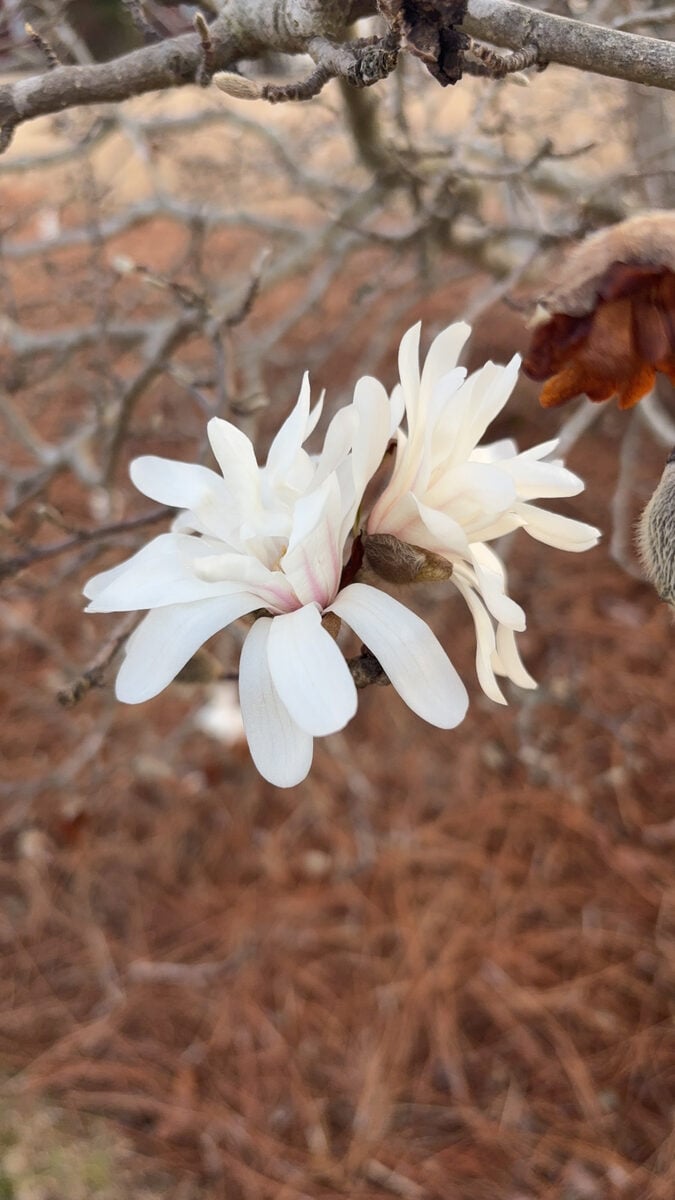
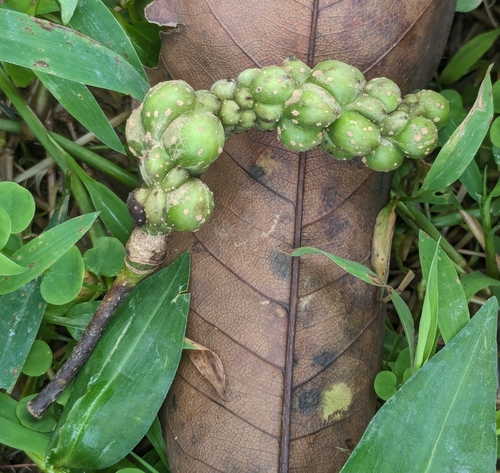
Magnolia mexicana
DC.
iNaturalist· cc-by-nc
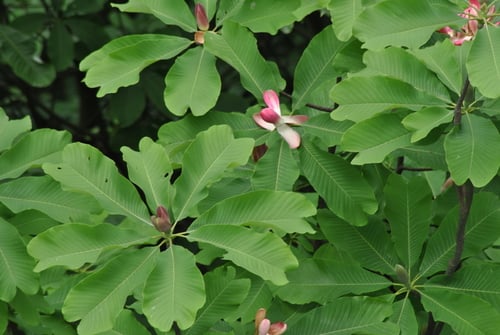
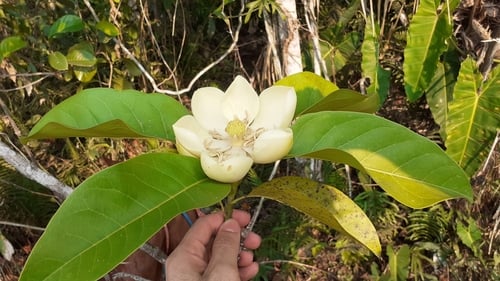
(c) Adolfo Diaz, some rights reserved (CC BY-NC), uploaded by Adolfo Diaz
iNaturalist· cc-by-nc
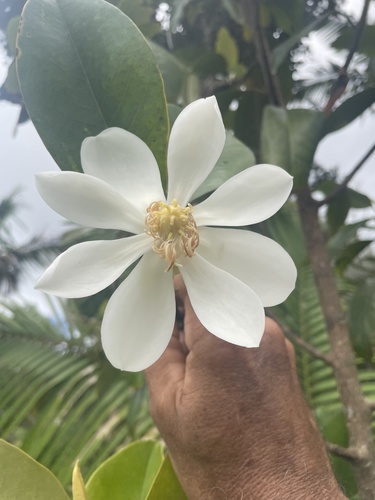
(c) Sandra Jazmín Torres Varela, some rights reserved (CC BY-NC)
Summary
Source: WikipediaMagnolia mexicana, the Mexican magnolia, is a species of magnolia that is found in parts of Mexico, Guatemala and Honduras. The flower is known in parts of Mexico as yolloxochitl, an Aztec word that loosely translates to heart-shaped flower. The Mexican magnolia, often described as having a strong beautiful scent, has been used throughout the years for its medicinal properties, as it is said to have similar compounds to that of the Digitalis medication.
Description
A tree.
This description is brief — help expand it
Edible Uses
The leaves of the Mexican magnolia have been used in the culinary setting to flavor chocolate and other foods and have been used in the flavoring of cacao during the time of the Aztecs and Mayans.
Medicinal Uses
The bark is employed as a remedy for fevers, and is said also to have an effect upon the heart similar to that of digitalis. An infusion of the flowers is said to be aphrodisiac. A decoction of the flowers is used as a treatment for epilepsy, paralysis, and various heart affections, and is also considered to be a tonic. The plant, upon analysis, is said to yield a glucoside which dissolves the blood corpuscles.
Distribution
It is a tropical plant.
Where It Grows
Central America, Guatemala, Honduras, Mexico,
Other Uses
The wood is of high quality and has industrial uses. We do not have any more information on the wood of this species, but a general description of the wood for members of this genus growing in Central America and the Caribbean is as follows:- The heartwood is olive-green when freshly cut, becoming light yellowish-brown to greenish-brown sometimes with a purplish tinge upon exposure, purple, dark brown, or nearly black streaks are common; the wide band of sapwood is white to greenish when first cut, darkening somewhat on exposure. The texture is fine and uniform; the grain straight to interlocked; lustre is low to moderate; there is no distinctive odour or taste. The heartwood is rated durable to highly durable with respect to deterioration by both white-rot and brown-rot fungi, but vulnerable to dry-wood termite attack. The wood is easy to air season, drying rapidly with no or slight warp and checking. It saws and machines easily, however in planing there may be considerable tearing where grain is irregular. It is used for utility veneer and plywood, millwork, furniture and cabinet work, general interior and exterior construction, boat planking, and turnery.
Synonyms
Also Known As
Aguacote, Arbol de corazon, Flor de atole
References (4)
- Hellmuth, N. M., 2011, Maya Ethnobotany. Complete Inventory of plants. Associacion FLAAR Mesoamerica. Tenth edition. (As Talauma mexicana)
- Kermath, B. M., et al, 2014, Food Plants in the Americas: A survey of the domesticated, cultivated and wild plants used for Human food in North, Central and South America and the Caribbean. On line draft. p 852 (As Talauma mexicana)
- Piedra-Malagón, E. M., et al, 2022, Edible native plants of the Gulf of Mexico Province. Biodiversity Data Journal 10: e80565 p 23
- World Checklist of Useful Plant Species 2020. Royal Botanic Gardens, Kew