Magnolia hypoleuca
Siebold.&Zucc.
Whitebark Magnolia
gbif· cc-by
GBIF
gbif· cc-by
GBIF
gbif· cc-by-nc-sa
MBG
Description
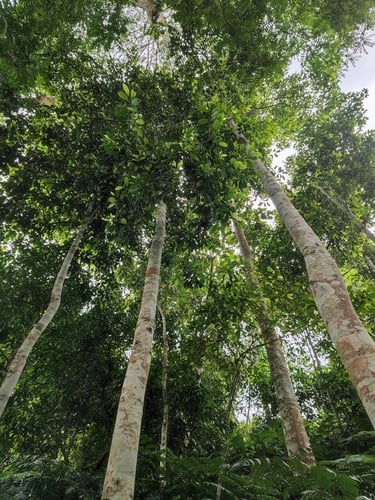
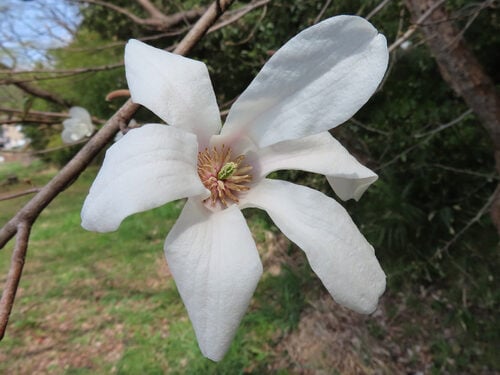
Magnolia hypoleuca is a deciduous Tree growing to 15 m (49ft) by 6 m (19ft) at a medium rate. See above for USDA hardiness. It is hardy to UK zone 6. It is in flower in June. The species is hermaphrodite (has both male and female organs) and is pollinated by Beetles. Suitable for: light (sandy), medium (loamy) and heavy (clay) soils and prefers well-drained soil. Suitable pH: mildly acid, neutral and basic (mildly alkaline) soils. It can grow in semi-shade (light woodland) or no shade. It prefers moist soil. It can tolerate atmospheric pollution.
Edible Uses
Condiment. The young leaves and flower buds are boiled and eaten as a vegetable. Older leaves are powdered and sprinkled on food as a flavouring. Whole dried leaves are placed on a barbecue, filled with miso, leeks, daikon and shitake then broiled. The delightful aroma of the leaves permeates the miso mixture which is then served with rice.
Medicinal Uses
Anthelmintic Antiemetic Appetizer Deobstruent Emmenagogue Expectorant Ophthalmic Sedative Stomachic Tonic. Anthelmintic, antiemetic, appetizer, deobstruent, emmenagogue, expectorant, ophthalmic, sedative, stomachic, tonic. This plant is contra-indicated for pregnant women.
Distribution
E. Asia - Japan.
Where It Grows
TEMPERATE ASIA: Russian Federation (Kurile Islands)
Cultivation
Best grown in a warm position in a moderately rich free soil of an open texture. Dislikes alkaline soils. Tolerates alkaline soils so long as they are deep and rich in humus. The branches are brittle so a sheltered position is required. Very tolerant of atmospheric pollution. Hardy to about -20°c. The fleshy roots are easily damaged and any transplanting is best done during a spell of mild moist weather in late spring. A very ornamental plant. The flowers are powerfully scented. Cultivated for its medicinal bark in Japan.
Propagation
Seed - best sown as soon as it is ripe in a cold frame. Stored seed must be kept cold over the winter and should be sown in late winter in a cold frame. The seed usually germinates in the spring but it can take 18 months. Prick out the seedlings into individual pots when they are large enough to handle and grow them on in light shade in a cold frame or greenhouse for at least their first winter. They can be planted out into their permanent positions when they are more than 15cm tall, though should be well mulched and given some protection from winter cold for their first winter or two outdoors. Layering in early spring.
Other Uses
Wood. Wood - soft, fine grained, easily worked. Used for furniture, engraving, utensils etc.