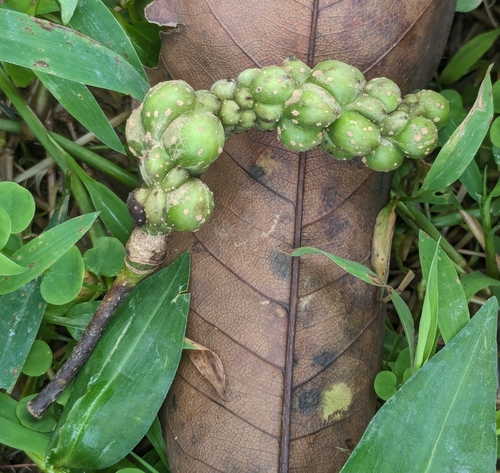
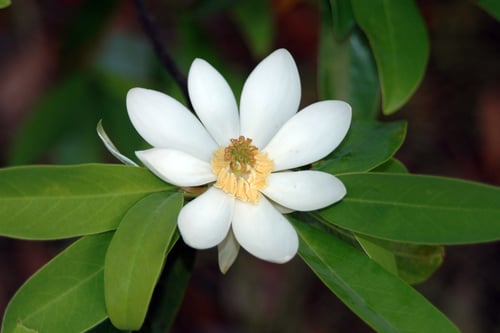
Magnolia kobus
DC.
Kobus magnolia, Northern Japanese Magnolia
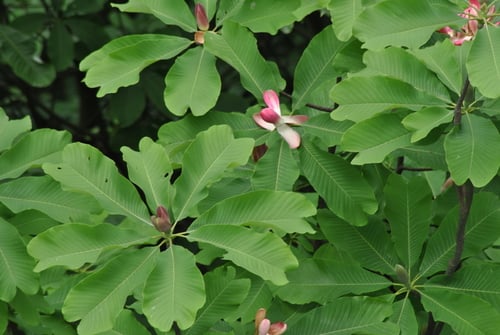
iNaturalist· cc-by
(c) Timur Kalininsky, some rights reserved (CC BY), uploaded by Timur Kalininsky
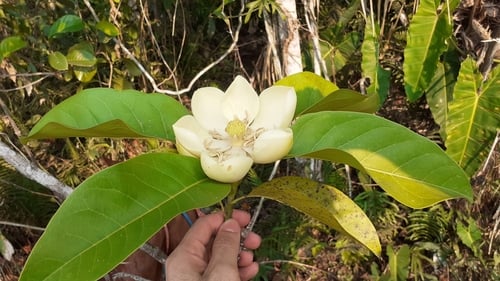
iNaturalist· cc-by
(c) Christina Moresi, some rights reserved (CC BY), uploaded by Christina Moresi
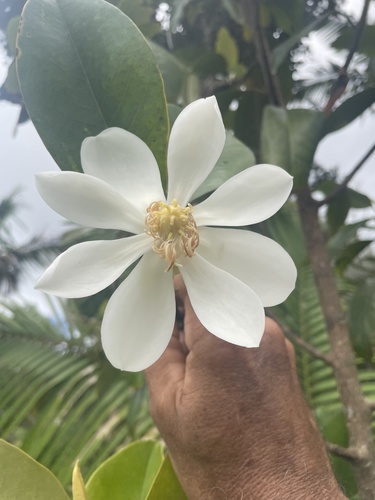
iNaturalist· cc-by
(c) Bill Keim, some rights reserved (CC BY)
Description
Magnolia kobus is a deciduous Tree growing to 12 m (39ft) by 7 m (23ft) at a medium rate. See above for USDA hardiness. It is hardy to UK zone 5. It is in flower from April to May. The species is hermaphrodite (has both male and female organs) and is pollinated by Beetles. Suitable for: light (sandy), medium (loamy) and heavy (clay) soils and prefers well-drained soil. Suitable pH: mildly acid, neutral and basic (mildly alkaline) soils. It can grow in semi-shade (light woodland) or no shade. It prefers moist soil. It can tolerate atmospheric pollution.
Edible Uses
Tea. Flowers and flower buds - cooked. The leaves are eaten or used to make a tea. Older leaves are powdered and sprinkled on foods as a flavouring.
Medicinal Uses
Treats headaches.
Distribution
E. Asia - Japan.
Where It Grows
TEMPERATE ASIA: Korea, Japan
Cultivation
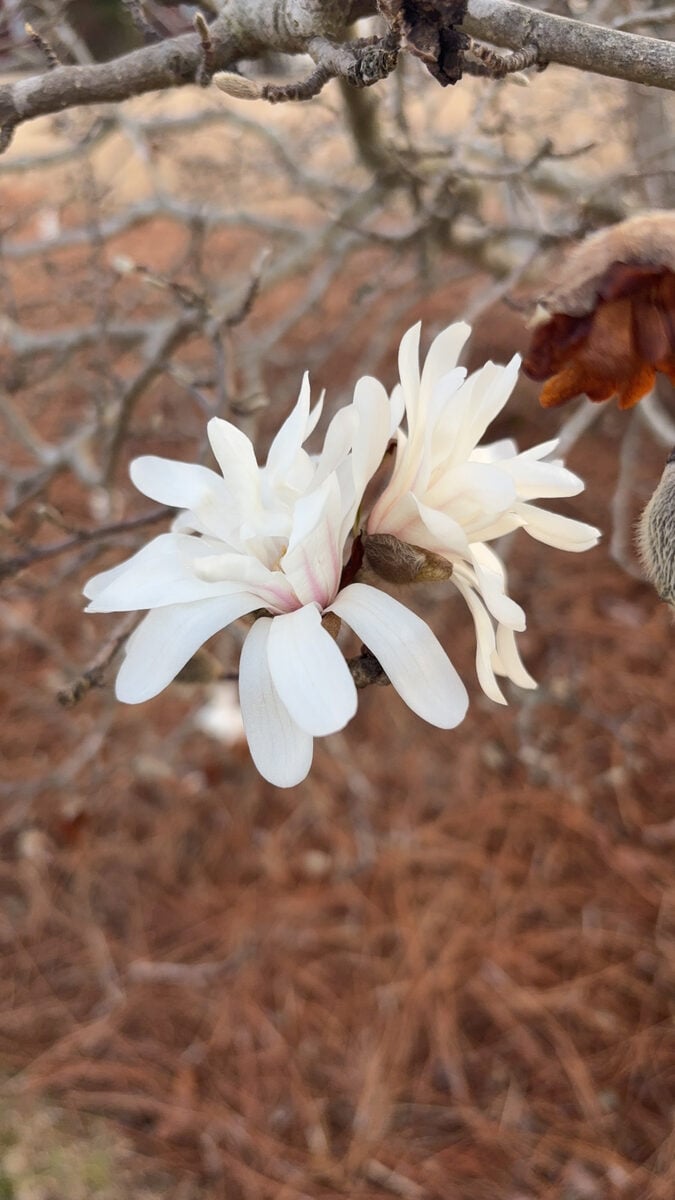
Best grown in a warm position in a moderately rich free soil of an open texture. Succeeds in acid or neutral soils in sun or part shade. Fairly lime tolerant. The branches are brittle so a sheltered position is required. Very tolerant of atmospheric pollution. A very hardy plant, tolerating temperatures down to about -28°c. The fleshy roots are easily damaged and any transplanting is best done during a spell of mild moist weather in late spring. Plants take 10 - 15 years to flower after being planted out. The leaves are slightly aromatic. Very closely related to M. stellata, differing in having 3 narrow sepals and 6 - 9 broader petals.
Propagation
Seed - best sown as soon as it is ripe in a cold frame. Stored seed must be kept cold over the winter and should be sown in late winter in a cold frame. The seed usually germinates in the spring but it can take 18 months. Prick out the seedlings into individual pots when they are large enough to handle and grow them on in light shade in a cold frame or greenhouse for at least their first winter. They can be planted out into their permanent positions when they are more than 15cm tall, though should be well mulched and given some protection from winter cold for their first winter or two outdoors. Layering in early spring. Cuttings of half-ripe wood in early summer.
Other Uses
Wood. Wood - soft, light. Used for engraving, utensils, matches etc.