Gnetum leyboldii
Tulasne
iNaturalist· cc-by-nc
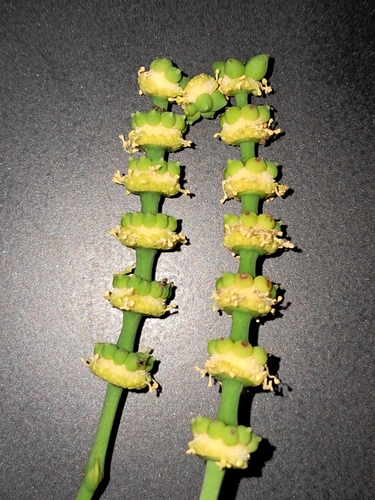
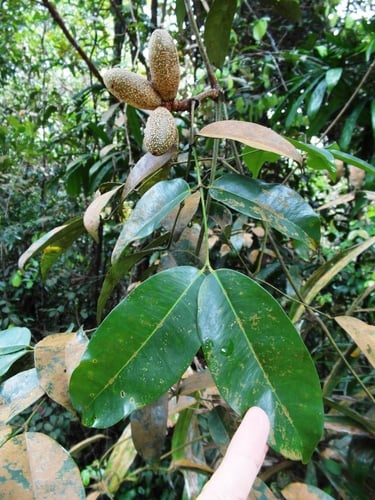
(c) Leonardo Álvarez-Alcázar, some rights reserved (CC BY-NC), uploaded by Leonardo Álvarez-Alcázar
iNaturalist· cc-by-nc
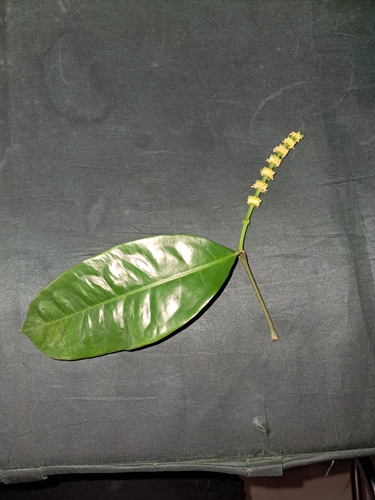
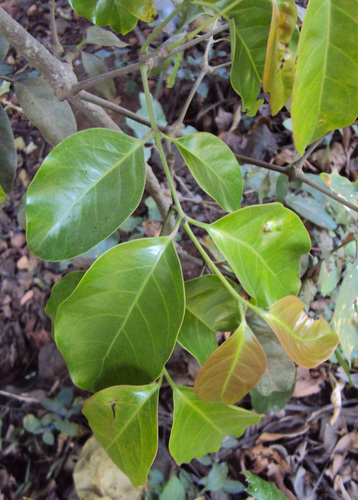
(c) Leonardo Álvarez-Alcázar, some rights reserved (CC BY-NC), uploaded by Leonardo Álvarez-Alcázar
Description
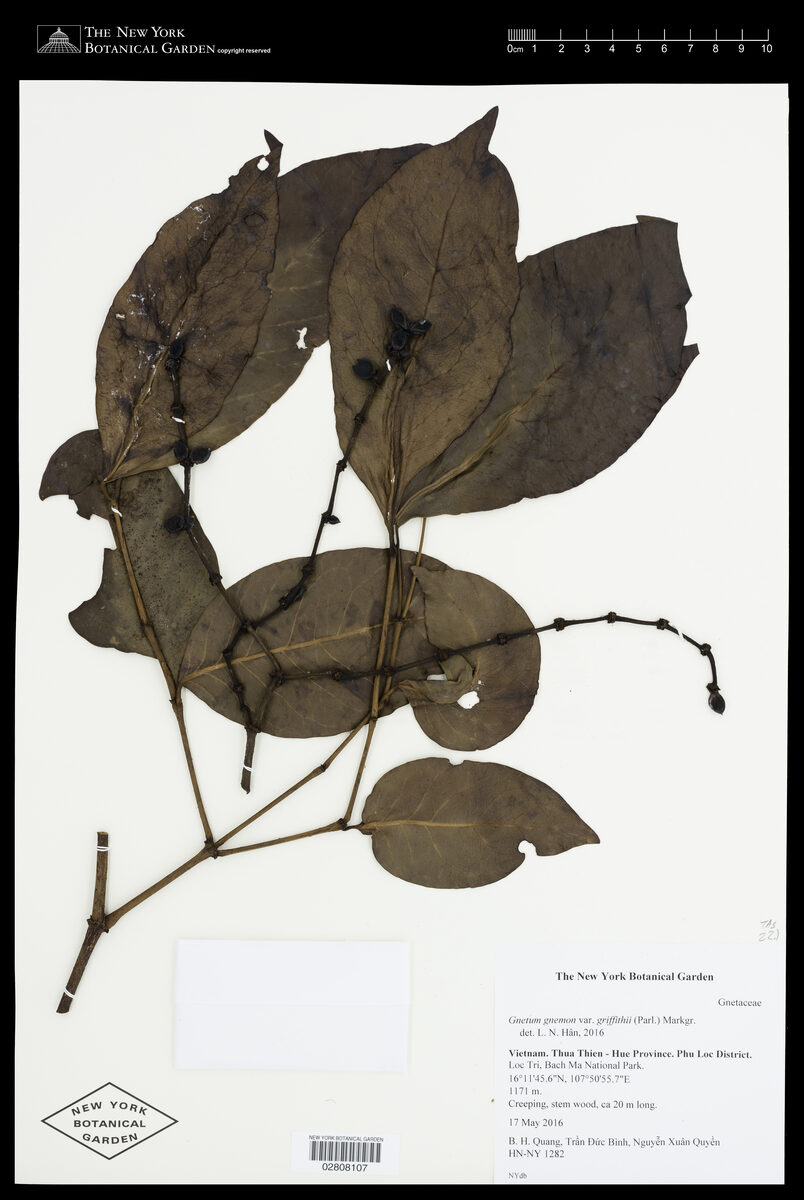
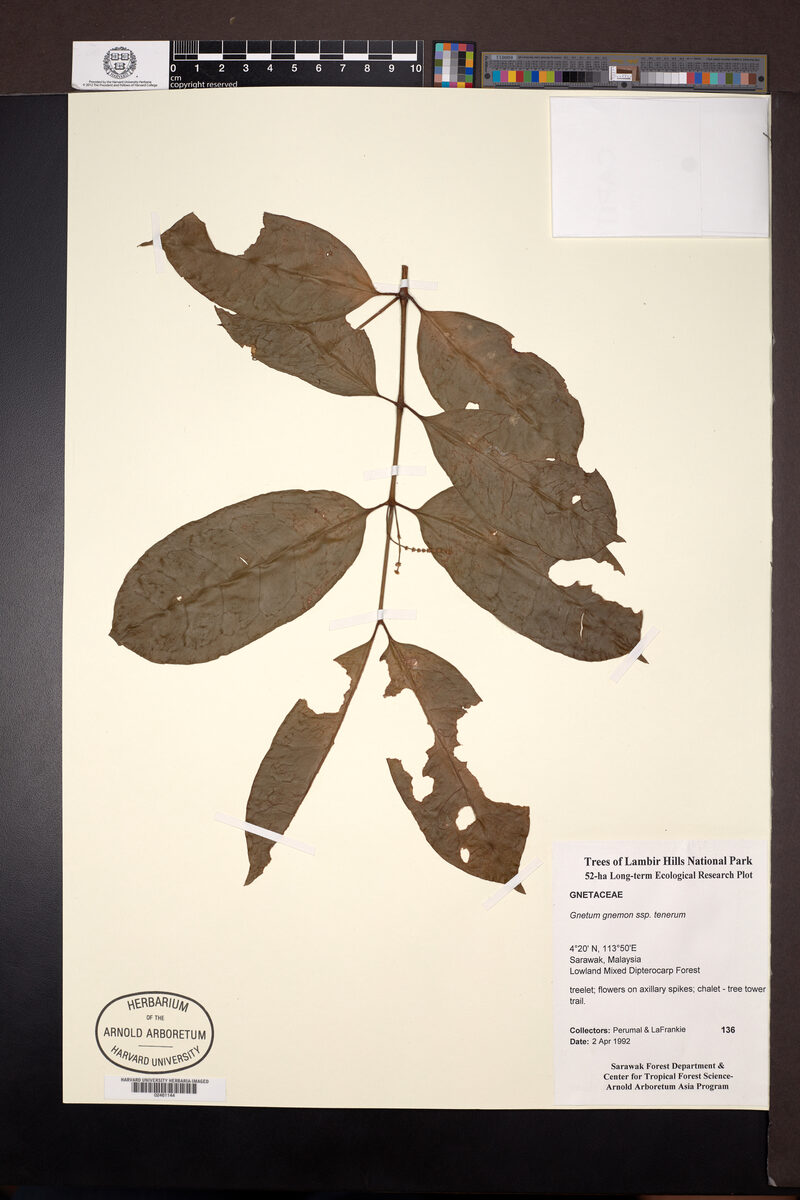
A creeper or climbing plant. It can be 30 m long. The fruit are orange to red. They are oblong and shiny. They are 5 cm long by 2-3 cm wide. The seeds are edible.
Edible Uses
The seeds are roasted and eaten whole, or ground into flour that is dried in the sun and fried as crackers.
Traditional Uses
The seeds are roasted and eaten. The seeds are also used to make flour. This is then dried in the sun and can then be fried as a cracker.
This uses section is brief — help expand it
Distribution
It is a tropical plant. It grows in floodplains and upland forests in the Amazon. It grows up to 1,300 m above sea level.
Where It Grows
Amazon, Bolivia, Brazil*, Central America, Colombia, Costa Rica*, Ecuador, Guyana, Panama, Peru, South America, Venezuela,
Production
The fruit are collected from the ground.
Synonyms
Also Known As
Bala huayo, Hambre huayo, Itua, Pajil ruro, Paujillo, Paujil ruro, Purgante de picon
References (5)
- Kermath, B. M., et al, 2014, Food Plants in the Americas: A survey of the domesticated, cultivated and wild plants used for Human food in North, Central and South America and the Caribbean. On line draft. p 392
- Kew Plants of the World On line
- Roa, J. A. G. & Boada, D. S. G., 2018, Fundación para el Fortalecimiento de la Fruticultura y Plantas Alimenticias no Convencionales en Colombia.
- Smith, N., et al, 2007, Amazon River Fruits. Flavors for Conservation. Missouri Botanical Gardens Press. p 134
- Vasquez, R. and Gentry, A. H., 1989, Use and Misuse of Forest-harvested Fruits in the Iquitos Area. Conservation Biology 3(4): 350f