Canarium zeylanicum
(Retz.) Blume
Ceylon almond
wikimedia· cc-by-sa
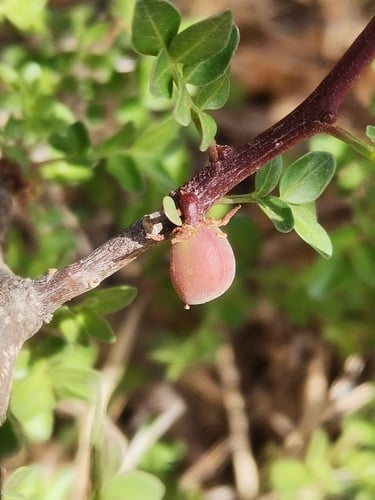
Wikimedia Commons - AntanO
wikimedia· cc-by-sa
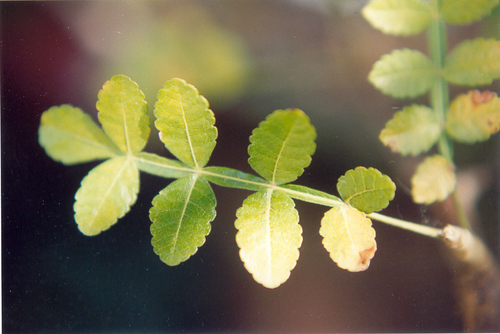
Wikimedia Commons - Z thomas
wikimedia· cc-by-sa
Wikimedia Commons - Z thomas
Summary
Source: WikipediaCanarium zeylanicum is a species of flowering plant in the frankincense family, Burseraceae, that is endemic to Sri Lanka. Canarium zeylanicum is a large branched tree that can grow up to 25–30m in height. The seeds of this plant are large, oval, and they can be eaten. This plant can be seen with fruits and flowers in the months of April to September. The oil of the seeds of Canarium zeylanicum are edible and this oil has been used by Sri Lankans for medicinal purposes and for food for ages. However, these uses of the plant are confined to its rural population and even then, they mostly use it for traditional medicinal purposes. Over 95% of the seeds produced and harvested from these plants are thrown away, wasting its source of valuable, natural, and nutritional value.
Description
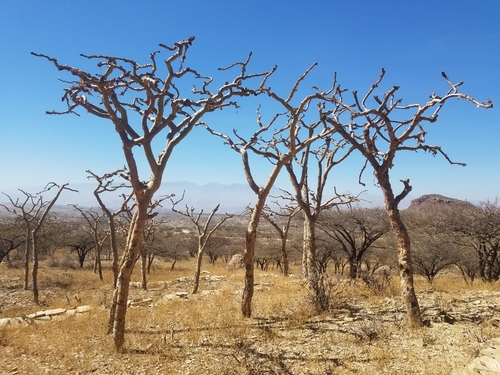
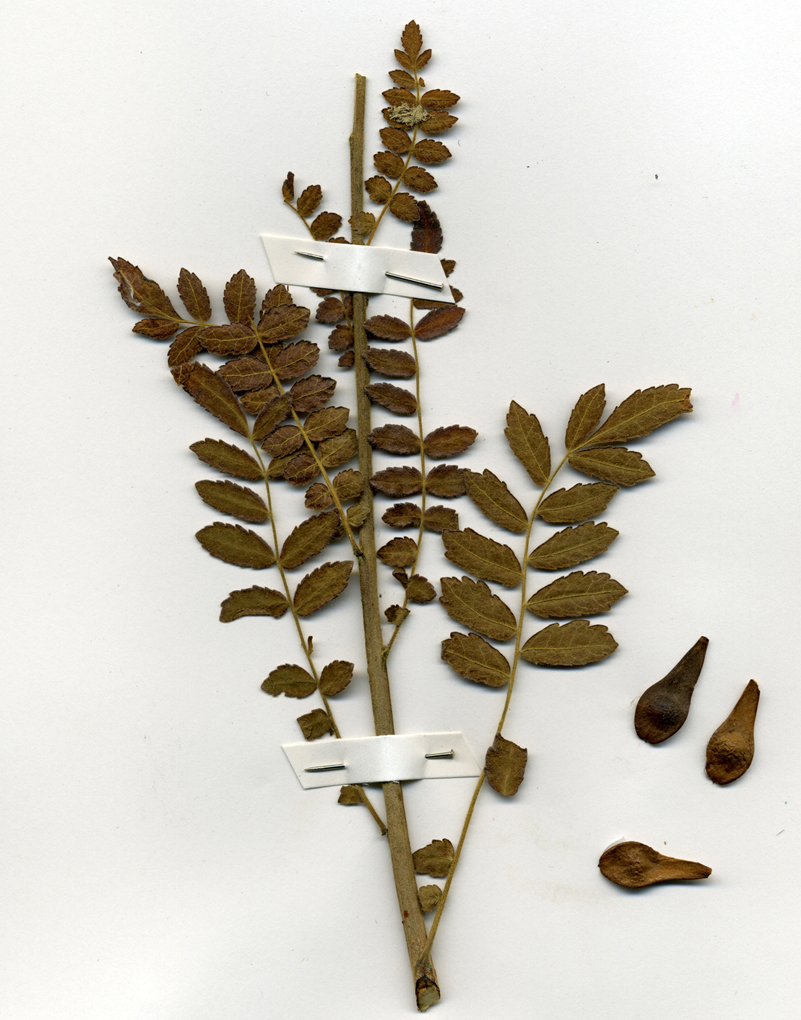
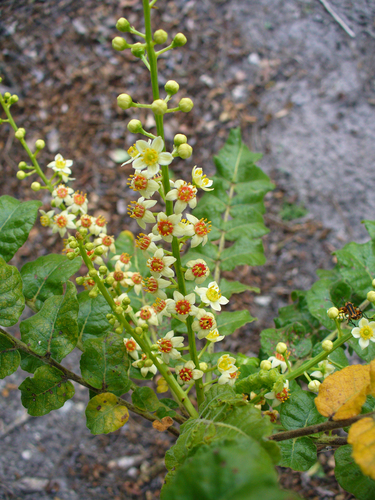
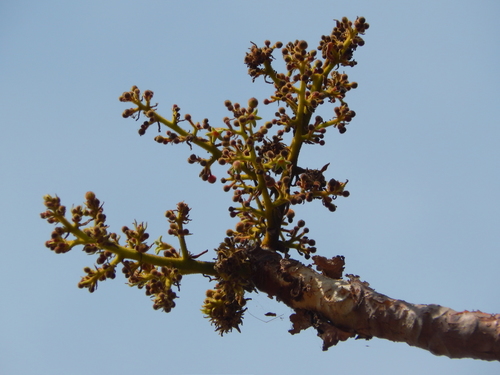
A large tree. It grows 30 m tall. There are buttresses at the base. The bark has a scent. The leaves have 13 pairs of leaflets. The blades are clasped at the base. The flowers are pale green or yellow. The fruit is 3-4 cm long. It is dark brown and oval. The seeds are hard. The kernel is edible.
Edible Uses
The seeds are eaten, and seed oil is used as an edible oil rich in antioxidants.
Traditional Uses
The seed oil is an edible oil.
This uses section is brief — help expand it
Distribution
A tropical plant. It grows in the rainforest.
Where It Grows
Asia, India, Sri Lanka,
Cultivation
Plants are grown from seeds.
Propagation
Seed - we have no specific information for this species but seeds of this genus generally have a hard seed coat and germinate erratically. Filing away some of the seed coat to allow moisture to enter more readily, without damaging the seed, will encourage a faster and more even germination.
Other Uses
A beautifully clear, fragrant, balsamic gum-resin is obtained in abundance from wounds in the bark. Used for lighting and to burn as a fumigant. An oil obtained from the seed is used as an illuminant. The white wood is rather light in weight, soft and even-grained. It is used for packing cases, tea boxes and coffins. The tree is planted to provide shade in nutmeg plantations.
Notes
There are 80-95 Canarium species. The oil is rich in antioxidants.
Synonyms
Also Known As
Kekuna, Kukuna, Pakklipal
References (9)
- Ambasta S.P. (Ed.), 2000, The Useful Plants of India. CSIR India. p 100
- Ashton, M. S., et al 1997, A Field Guide to the Common Trees and Shrubs of Sri Lanka. WHT Publications Ltd. p 133
- Bircher, A. G. & Bircher, W. H., 2000, Encyclopedia of Fruit Trees and Edible Flowering Plants in Egypt and the Subtropics. AUC Press. p 78
- Burkill, I.H., 1966, A Dictionary of the Economic Products of the Malay Peninsula. Ministry of Agriculture and Cooperatives, Kuala Lumpur, Malaysia. Vol 1 (A-H) p 429
- Menninger, E.A., 1977, Edible Nuts of the World. Horticultural Books. Florida p 27
Show all 9 references Hide references
- Mus. Bot. 1:218. 1850
- Seneviratne, K. N. & Kotuwegedara, R. T., 2009, Canarium zeylanicum seed oil: an edible oil with beneficial qualities. International Journal of Food Science and Technology 2009, 44, 792–798
- Tanaka, p 126
- Wealth of India, 1950