Bursera glabrifolia
(Kunth) Engl.
Linaloe, Mexican linaloe
iNaturalist· cc-by-nc
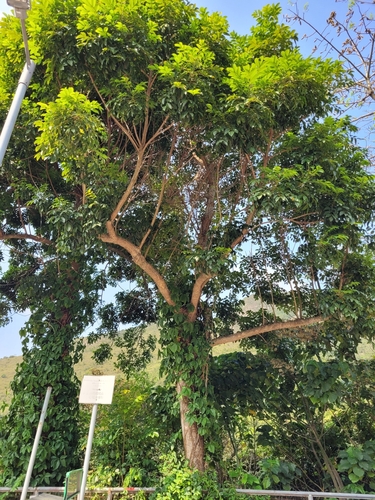
(c) Elinor Josefina López Patiño, some rights reserved (CC BY-NC), uploaded by Elinor Josefina López Patiño
iNaturalist· cc-by-nc-sa
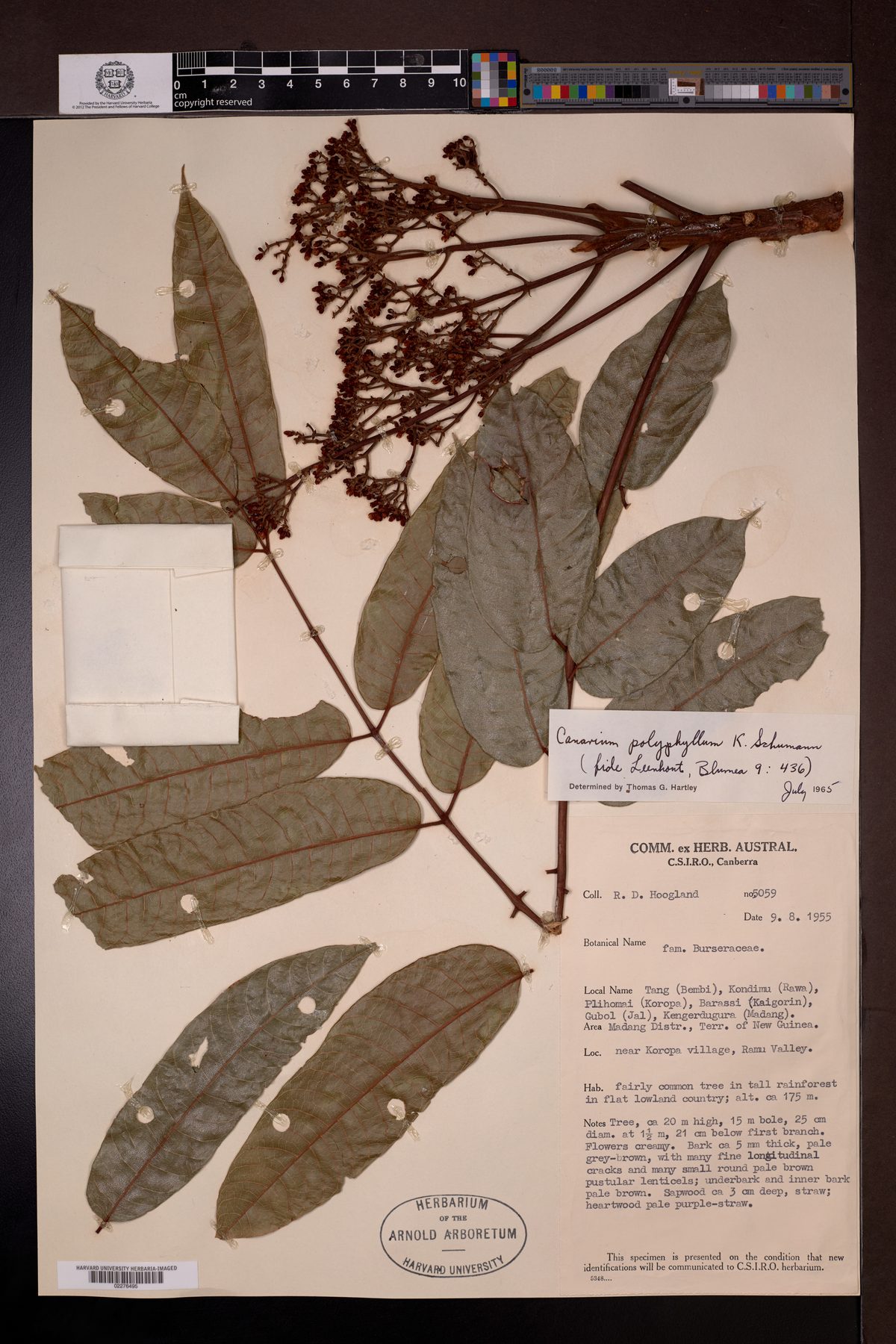
(c) R.E.Llanos, some rights reserved (CC BY-NC-SA), uploaded by R.E.Llanos
iNaturalist· cc-by-nc
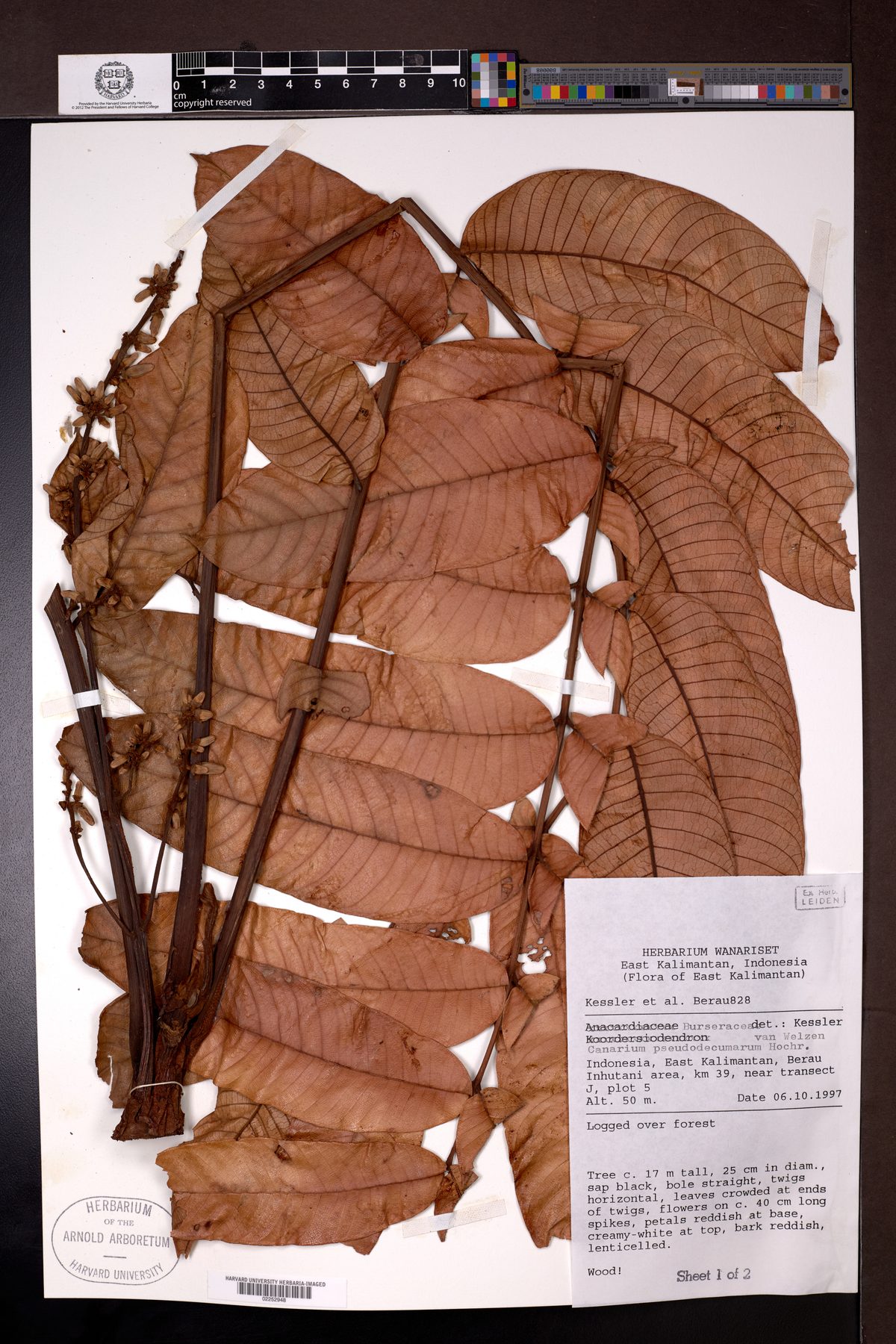
(c) Leticia Soriano Flores, some rights reserved (CC BY-NC), uploaded by Leticia Soriano Flores
Summary
Source: WikipediaBursera glabrifolia is a species of tree native to central Mexico (Guerrero, Morelos, Michoacán, México State, Puebla, Oaxaca). Bursera glabrifolia is one of two species commonly referred to as copal. Copal is the wood most commonly used by the woodcarvers in Oaxaca, Mexico. The woodcarvers refer to Bursera glabrifolia as "macho" or male copal, which they like less than Bursera bipinnata, which they refer to as "Hembra" or female copal. Bursera glabrifolia is a small tree native to the tropical dry forests of Mexico. It was first described by Carl Sigismund Kunth in 1824 as Elaphrium glabrifolium and then transferred to the genus Bursera by Adolf Engler in 1896.
Description
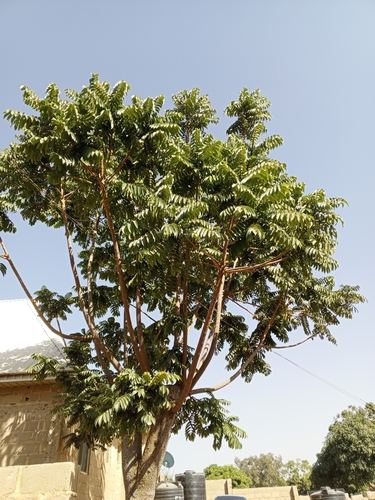
A soft tree. It loses its leaves during the year. The leaves have leaflets along the stalk and the leaves are arranged at the tips of branches. The flowers are white and in clusters. These are 1 cm long. The fruit are pea-sized red berries.
Edible Uses
Oil extracted from the wood and fruit is used as a flavoring agent, imparting a slightly bitter, lime-like taste to foods.
Traditional Uses
The oil from the wood and fruit is used to give a slightly bitter, lime-like flavour to foods.
This uses section is brief — help expand it
Distribution
A tropical plant. It needs a temperature above 12°C.
Where It Grows
Mexico*, North America,
Cultivation
Plants are grown from cuttings.
Notes
There are about 100 Bursera species. There are 82 Bursera species in Mexico.
Synonyms
References (2)
- Brown, D., 2002, The Royal Horticultural Society encyclopedia of Herbs and their uses. DK Books. p 148
- H. G. A. Engler & K. A. E. Prantl, Nat. Pflanzenfam. 3(4):251. 1896