Boswellia sacra
Flueck.
Frankincense
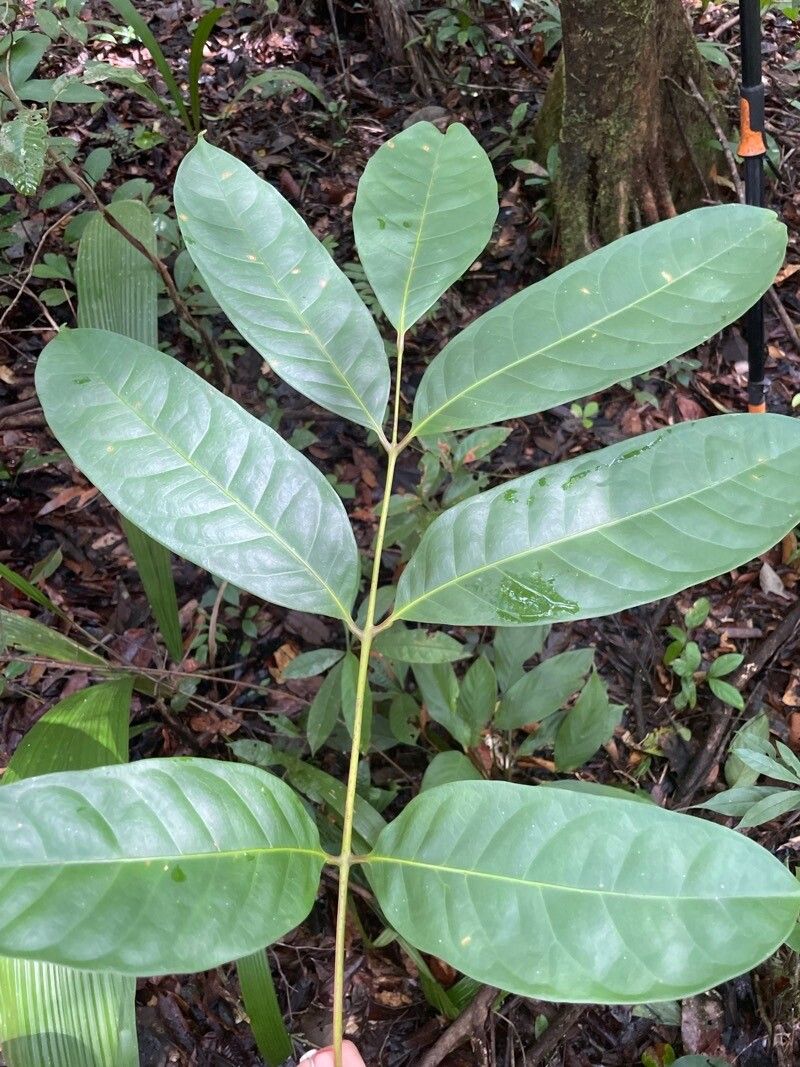
iNaturalist· cc-by
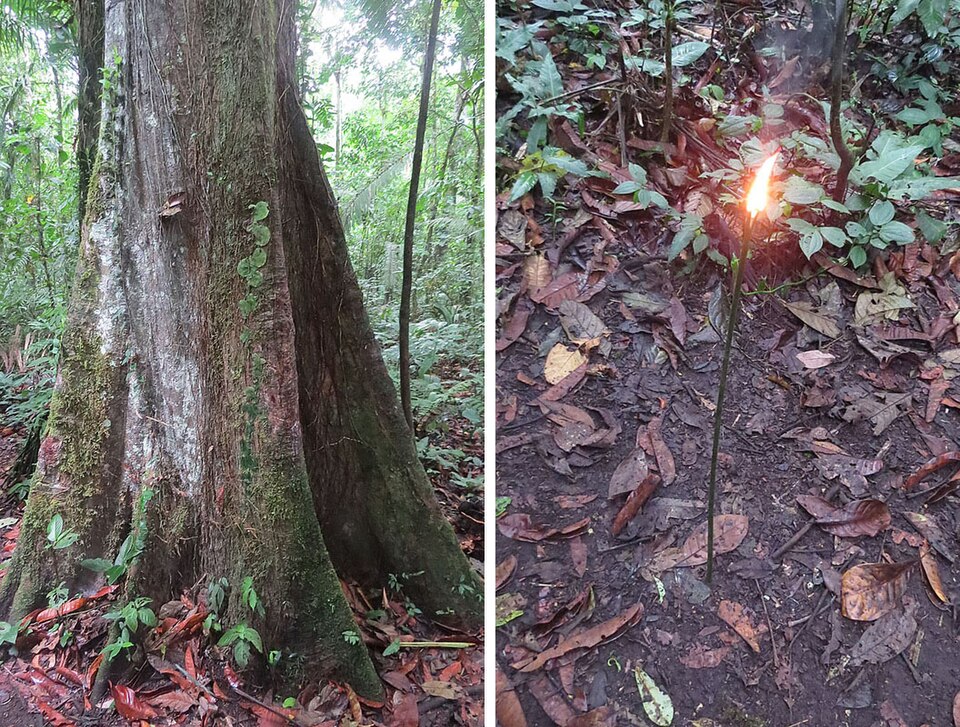
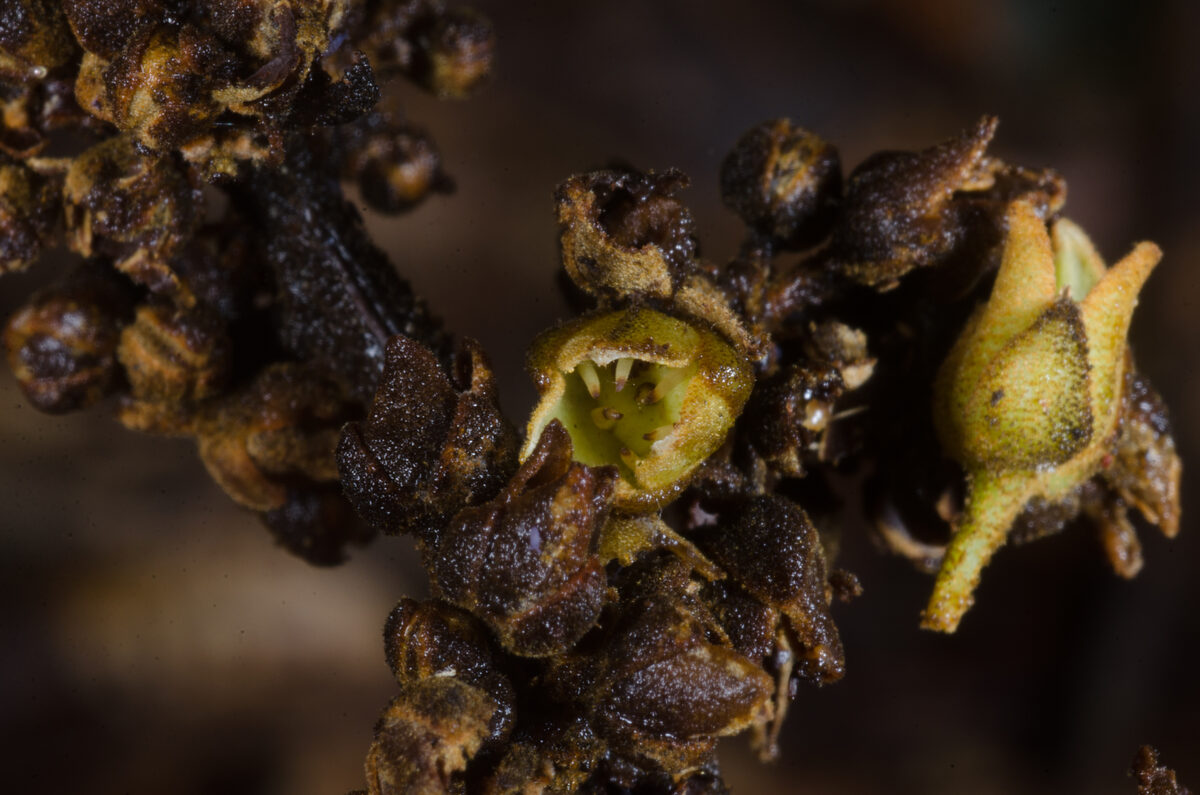
(c) scott.zona, some rights reserved (CC BY)
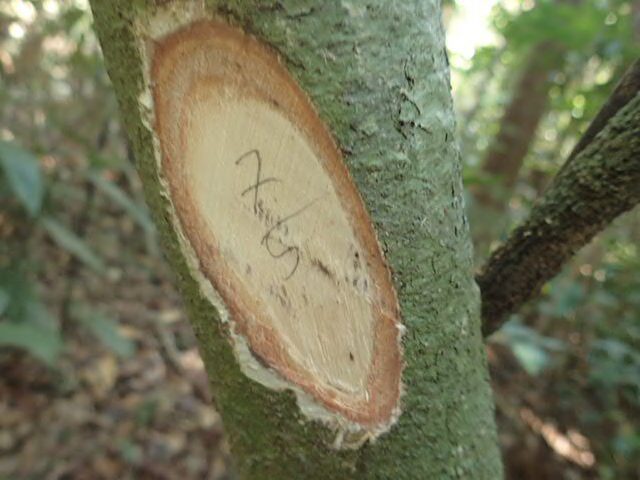
iNaturalist· cc-by
(c) scott.zona, some rights reserved (CC BY)
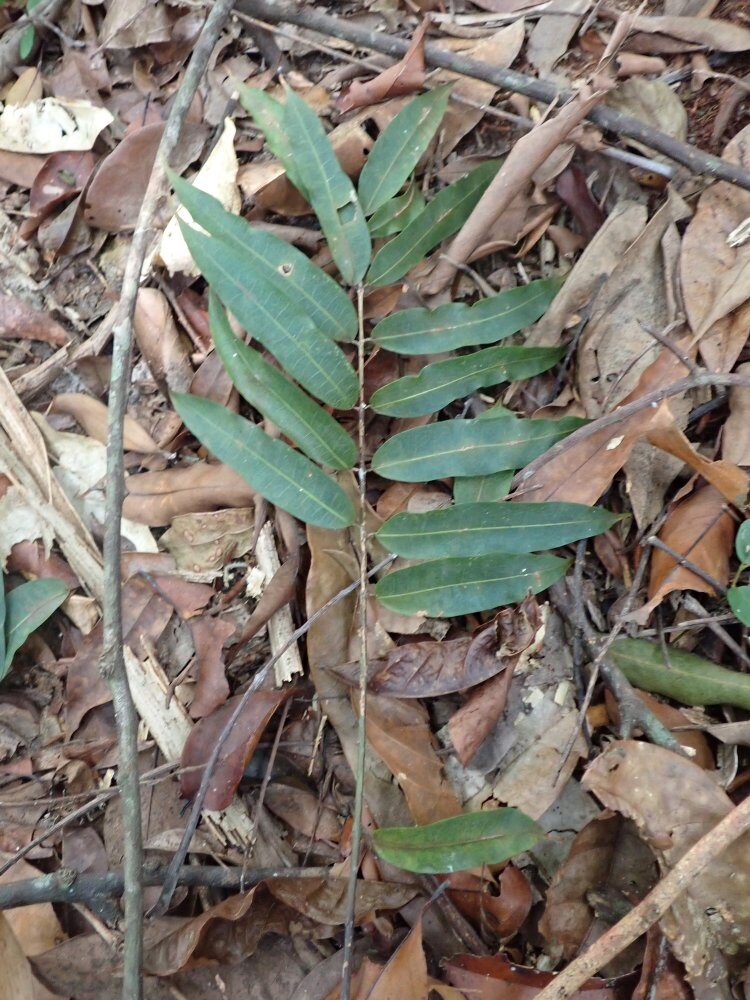
iNaturalist· cc-by-nc
(c) Alvin Diamond, some rights reserved (CC BY-NC), uploaded by Alvin Diamond
Summary
Source: WikipediaBoswellia sacra, also known as Boswellia carteri and others, and commonly called the frankincense tree or the olibanum tree, is a tree in the genus Boswellia, in the Burseraceae family, from which frankincense, a resinous dried sap, is harvested. The olibanum tree is a plant native to the countries of Oman and Yemen, in the south of the Arabian Peninsula, and to Somalia and Ethiopia, in the Horn of Africa. In 2012, it was replanted in Israel in the Middle East, 1,500 years after dying out there.
Description
An evergreen tree. It grows 2-5 m tall and spreads 1-3 m wide. The bark is papery and peeling. The tree produces resin. The leaves are divided into leaflets along the stalk and occur in clusters. The flowers are small and creamy white. They have 5 petals. The fruit is a 3-5 angled red-brown capsule.
Edible Uses
The resin is chewed or made into oil used to flavour candy, baked goods, ice cream and drinks. The skin is removed from roots and they are eaten raw or used for drinks.
Traditional Uses
The resin is chewed or made into an oil used to flavour candy, baked goods, ice cream and drinks. The skin is taken off the roots and they are eaten raw or used for drinks.
Medicinal Uses
The oleo-resin is a bitter, pungent, warming herb that stimulates the circulation, calms the nerves and has antiseptic, expectorant and decongestant properties. It is used in various medical traditions, including traditional Chinese herbal medicine, Ayurvedic and western herbalism. It is used to treat a variety of complaints including bronchial and urinary infections in western herbalism, menstrual problems, skin complaints and mouth wash in China and as a rejuvenating tonic in Ayurveda. It is used in aromatherapy for relieving anxiety.
Distribution
A tropical plant. It needs a temperature above 10-15°C. In Africa it grows below 1,230 m above sea level. It grows in areas with an annual rainfall between 100-500 mm. It can grow in arid places.
Where It Grows
Africa, Arabia, Asia, East Africa, Egypt, Mediterranean, Middle East, North Africa, Oman, Somalia, Yemen,
Cultivation
Plants can be grown by semi-ripe cuttings.
Propagation
Seed - Cuttings of half-ripe wood.
Other Uses
An oleo-resin gum exudes naturally from the bark. Burnt as an incense and also used in perfumery. It is also an ingredient of anti-wrinkle skin creams. Most resin is obtained by making deliberate incisions into the bark of the tree. The milky liquid that exudes hardens on exposure to air into droplets or 'tears' which are then easily detached by the collector. Occasionally, some tears are produced by accidental injury or from splits which occur in the stems or branches of the tree
Notes
It is the frankincense mentioned in the Bible.
Synonyms
Also Known As
Mohr, Moxor, Olibanum
References (9)
- Brown, D., 2002, The Royal Horticultural Society encyclopedia of Herbs and their uses. DK Books. p 146
- Facciola, S., 1998, Cornucopia 2: a Source Book of Edible Plants. Kampong Publications, p 62
- Maundu, P. et al, 1999, Traditional Food Plants of Kenya. National Museum of Kenya. 288p (As Boswellia carteri)
- Miller, A. G., Morris, M. & Stuart-Smith, S., 1988, Plants of Dhofar. The Southern Region of Oman, Traditional, Economic and Medicinal Uses. Sultanate of Oman. p 78
- Morton,
Show all 9 references Hide references
- Pharmak. 31. 1867
- Royal Botanic Gardens, Kew (1999). Survey of Economic Plants for Arid and Semi-Arid Lands (SEPASAL) database. Published on the Internet; http://www.rbgkew.org.uk/ceb/sepasal/internet [Accessed 4th April 2011]
- Seidemann J., 2005, World Spice Plants. Economic Usage, Botany, Taxonomy. Springer. p 69
- World Checklist of Useful Plant Species 2020. Royal Botanic Gardens, Kew