Boswellia papyrifera
Hochst.
Ethan, Sudanese frakincense
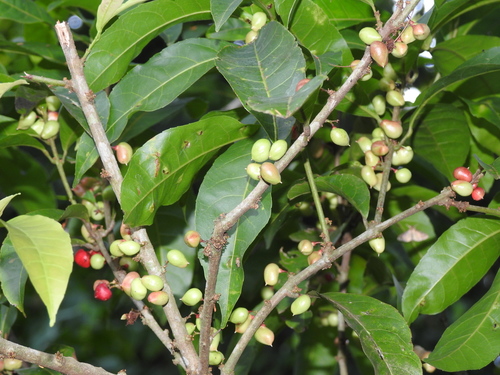
iNaturalist· cc-by-nc
(c) Aklilu Negussie Mekuria, some rights reserved (CC BY-NC), uploaded by Aklilu Negussie Mekuria
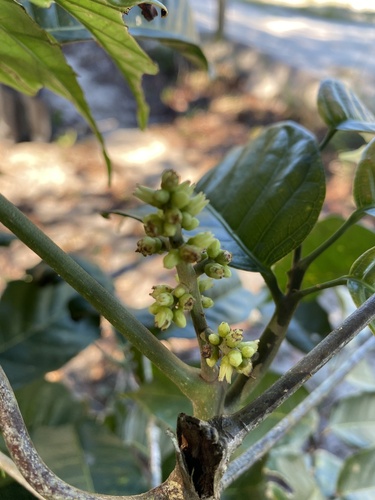
iNaturalist· cc-by-nc
(c) Aklilu Negussie Mekuria, some rights reserved (CC BY-NC), uploaded by Aklilu Negussie Mekuria
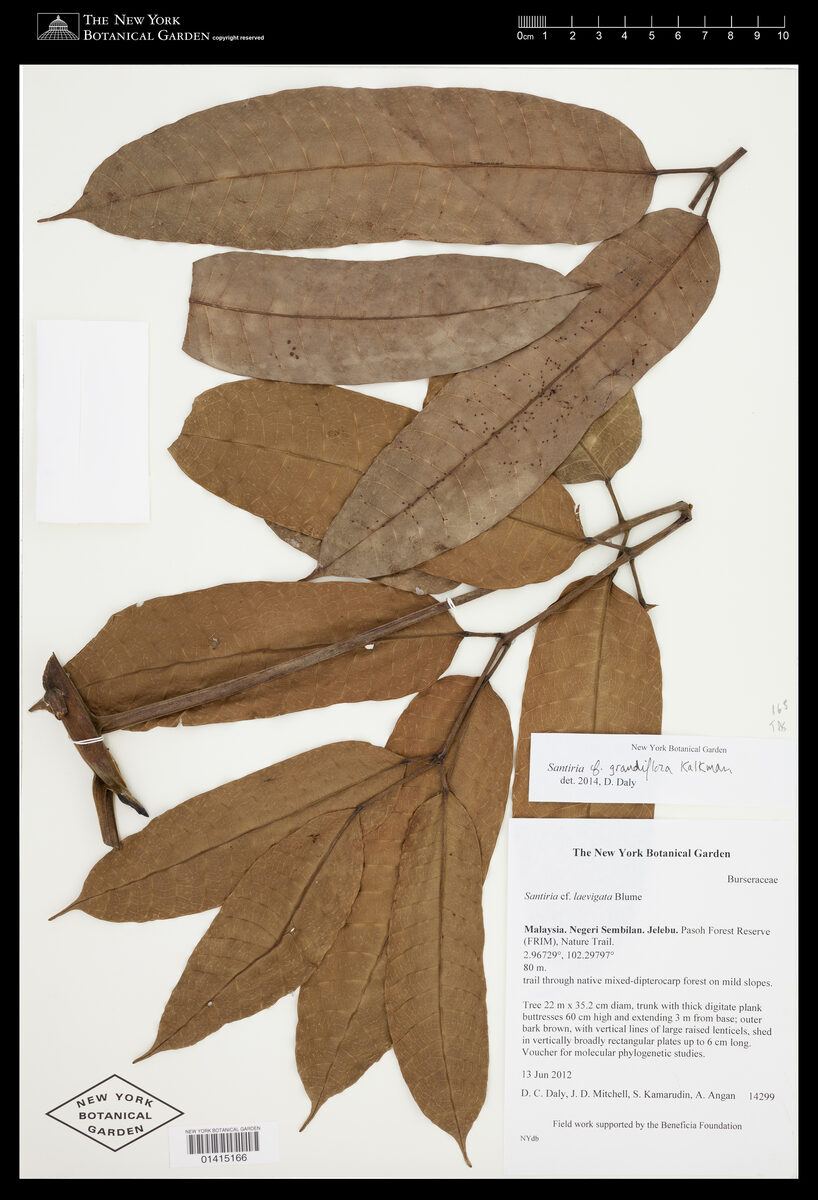
iNaturalist· cc-by-sa
(c) Sjschen, some rights reserved (CC BY-SA)
Summary
Source: WikipediaBoswellia papyrifera, also known as the Sudanese frankincense, is a species of flowering plant and frankincense that is native to Ethiopia, Eritrea and Sudan. The tree is cultivated in Ethiopia because of its valuable resin. The incense is characterized by a fresh lemon-pine scent and is therefore highly esteemed. In Ethiopia where it is called itan zaf, it comes in semi-translucent yellow tears. The gum resin of Boswellia papyrifera coming from Ethiopia, Sudan and eastern Africa is believed to be the main source of frankincense of antiquity.
Description
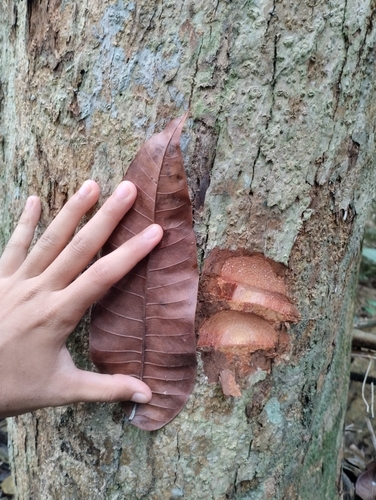
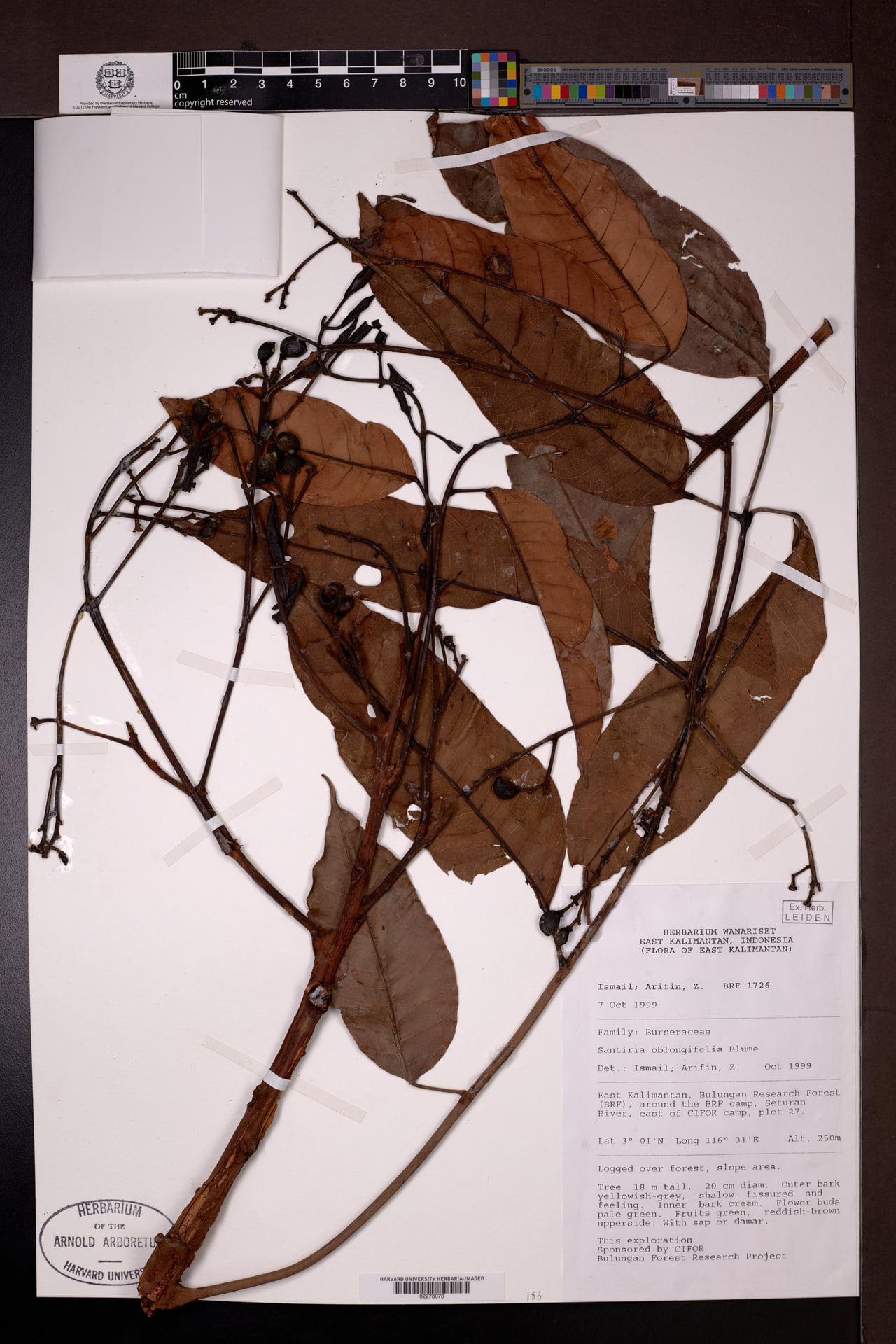
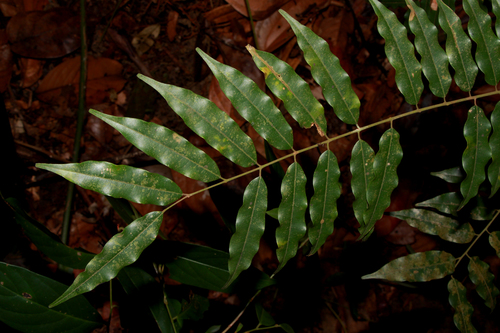
A small tree. It grows 12 m tall. It loses its leaves during the year. The bark has resin ducts. The trunk is straight and the crown is round. The bark is pale brown and peels off in large flakes. The leaves are large and compound. There are 11-29 leaflets on a long stalk. They are narrowly oval and have a wavy or toothed edge. The flowers have a sweet scent. They are white or pink. They are on long red flower stalks. These are in loose groups at the ends of the branches.
Edible Uses
The resin is used to flavor bread, milk, and other drinks, and is also chewed as a gum.
Traditional Uses
The resin is used to flavour bread, milk and other drinks. It is also chewed.
This uses section is brief — help expand it
Medicinal Uses
Traditional uses include the resin for flavoring and consumption in beverages and as a chewed product.
Distribution
It is a tropical plant. It is drought resistant. It grows on dry rocky sites. Often trees are on steep slopes and in shallow soils.
Where It Grows
Africa*, Cameroon, Central Africa, Central African Republic, CAR, Central America, Chad, East Africa, Eritrea, Ethiopia, Nigeria, Panama, Sudan, Uganda, West Africa,
Cultivation
Plants can be grown from seeds. Seeds are best collected from trees that have not been tapped.
Propagation
Seed - Cuttings
Other Uses
A fragrant resin is obtained from the stems. It is used as an incense in churches. Most resin is obtained by making deliberate incisions into the bark of the tree. The milky liquid that exudes hardens on exposure to air into droplets or 'tears' which are then easily detached by the collector. Occasionally, some tears are produced by accidental injury or from splits which occur in the stems or branches of the tree
Production
The bark is cut and a white resin comes out. This dries in round blobs called frankincense.
Also Known As
Elephant tree, Lubaten, Meker, Muke itana
References (7)
- Asfaw, Z. and Tadesse, M., 2001, Prospects for Sustainable Use and Development of Wild Food Plants in Ethiopia. Economic Botany, Vol. 55, No. 1, pp. 47-62
- Bahru, T., et al, 2013, Wild Edible Plants: Sustainable Use and Management by Indigenous Communities in and the Buffer Area of Awah National Park, Ethiopia. Ethiop. J. Sci., 36(2): 93-108
- INFOODSUpdatedFGU-list.xls
- Lulekal, E., et al, 2011, Wild edible plants in Ethiopia: a review on their potential to combat food insecurity. Afrika Focus - Vol. 24, No 2. pp 71-121
- Molla, A., Ethiopian Plant Names. http://www.ethiopic.com/aplants.htm
Show all 7 references Hide references
- Wiersema, J. H. & Leon, B., 2013, World Economic Plants. A Standard Reference CRC Press. 2nd Ed. p 108
- World Checklist of Useful Plant Species 2020. Royal Botanic Gardens, Kew