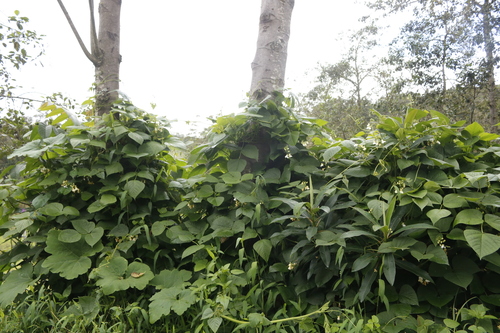
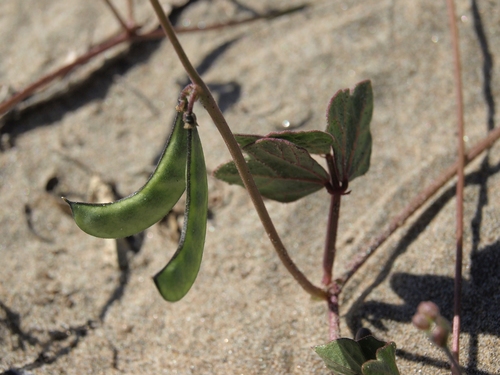
Tara spinosa
(Molina) Britton & Rose
Spiny caesalpinia
iNaturalist· cc-by-nc
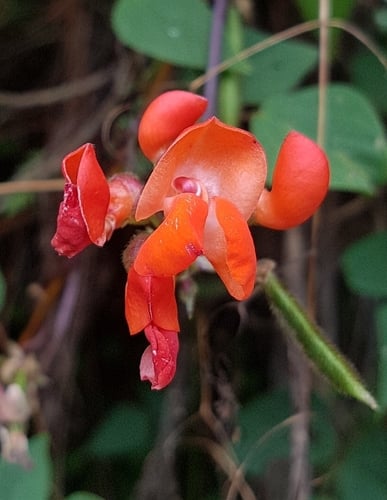
(c) Yanping, some rights reserved (CC BY-NC)
iNaturalist· cc-by-nc
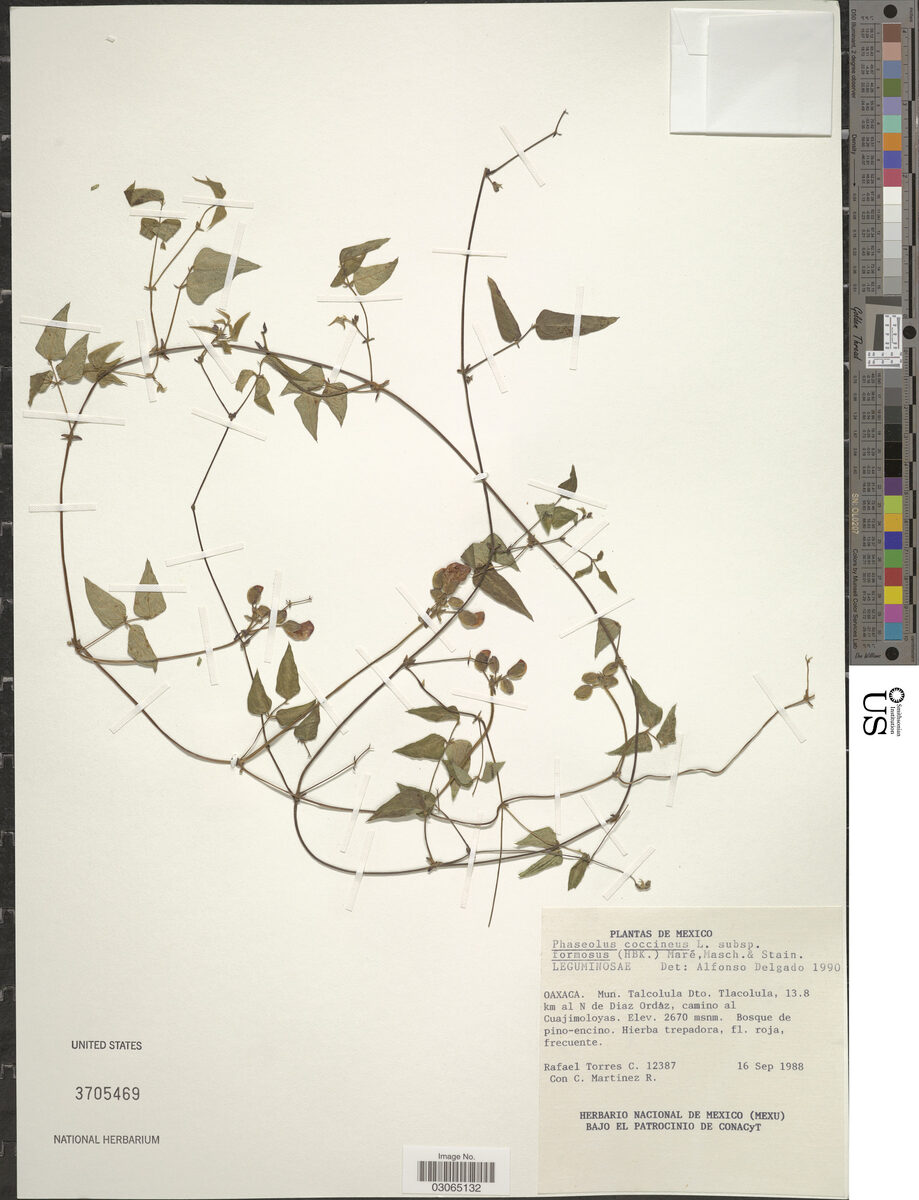
(c) Andrés Sebastian Ochoa Urfano, some rights reserved (CC BY-NC)
iNaturalist· cc-by-nc
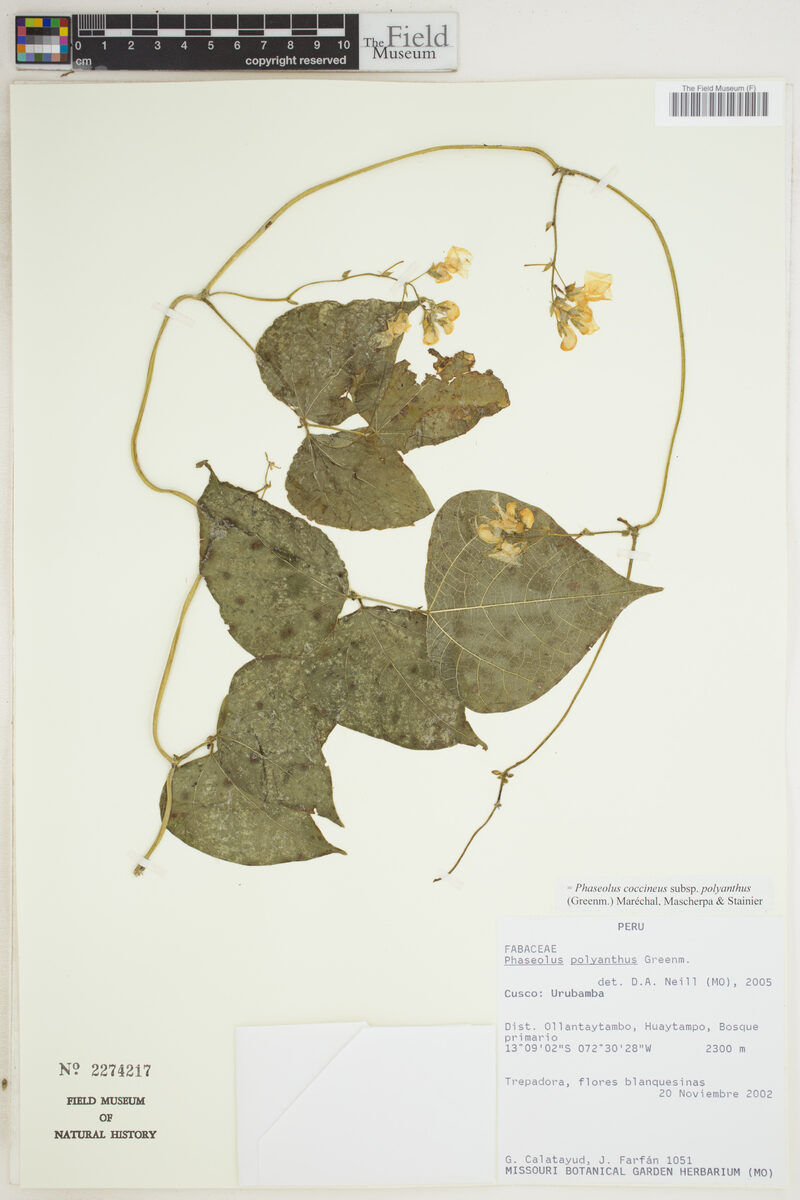
(c) Africa Gomez, some rights reserved (CC BY-NC)
Summary
Source: WikipediaTara spinosa, commonly known as tara (Quechua), also known as Peruvian carob or spiny holdback, is a small leguminous tree or thorny shrub native to Peru. T. spinosa is cultivated as a source of tannins based on a galloylated quinic acid structure. This chemical structure has been confirmed also by LC–MS. It is also grown as an ornamental plant because of its large colorful flowers and pods.
Description
An evergreen tree. It grows 6 m high and spreads 5 m wide. The trunk is erect and slender. It has prickles on the branches. The leaves have leaflets along the stalk. The flowers are yellow. They have a scent. They grow in dense groups. The fruit are pods. They are 10 cm long by 2.5 cm wide. The seeds are large and round and black. There are 4-7 seeds in a pod.
Edible Uses
The endosperm of the seed (22% of the total seed weight) yields a gum of commercial value. It is a white to yellowish powder and consists chiefly of galactomannan-type polysaccharides. The gum is used as a thickening agent and stabilizer in the food industry..
Medicinal Uses
The powder contained within the seedpods is used as an eyewash.
Known Hazards
The high tannin content of the pods may be lethal if consumed in large quantities by animals.
Distribution
It is a tropical plant. It is best in a rich, moist, well-drained soil. It needs a protected sunny position. It is damaged by drought or frost.
Where It Grows
Africa, Andes, Australia, Bolivia, Brazil, Canary Is., Chile, Colombia, Cuba*, Ecuador, Ethiopia, Indonesia, Kenya, Mexico, Namibia, North America, Peru, South Africa, South America*, Spain, Uganda, USA, Venezuela, West Indies, Zimbabwe,
Cultivation
It is grown from seed. The seed need treatment before planting.
Propagation
Seed - it has a hard seedcoat and benefits from scarification before sowing in order to speed up and improve germination. This can usually be done by pouring a small amount of nearly boiling water on the seeds (being careful not to cook them!) and then soaking them for 12 - 24 hours in warm water. By this time they should have imbibed moisture and swollen - if they have not, then carefully make a nick in the seedcoat (being careful not to damage the embryo) and soak for a further 12 hours before sowing.
Other Uses
The pods contain around 50% tannin, about twice as much as sumac (Rhus spp). The high content of hydrolysable tan has made it interesting for the extraction of gallic acid and ink manufacturing. Sticks of the wood are split up finely; urine is poured over the pieces of wood, which are then set out in the sun. Urine is repeatedly poured over them, until they are well soaked. After airing, the sticks are boiled in water, together with red tiri (Stereoxylon resinosum) and woollen or cotton fabrics. The dye produced is a purplish red. The dried fruit is boiled with a bit of soot and woollens soaked in iron sulphate or vitriol without acid. The fabric produced will be dyed a beautiful clove colour. A gum is obtained from the seed. It is used in the food industry. The wood is durable. The plant is sometimes grown as a live fence in Peru[303.
Notes
There are about 150 Caesalpinia species. Also as Caesalpinaceae.
Synonyms
Also Known As
Algarroba, Arrayan, Campeche, Espino, Guarango, Lompeche, Tailin, Tallo, Tara, Vainilla, Vainillo, Waranku
References (9)
- Bodkin, F., 1991, Encyclopedia Botanica. Cornstalk publishing, p 182
- Grandtner, M. M. & Chevrette, J., 2013, Dictionary of Trees, Volume 2: South America: Nomenclature, Taxonomy and Ecology. Academic Press p 88
- Leon-Lobos, P., et al, 2022, Patterns of Traditional and Modern Uses of Wild Edible Native Plants of Chile: Challenges and Future Perspectives. Plants (Basel) v 11 (6) Table S1 (As Tara spinosa)
- Kew Plants of the World On line
- Roa, J. A. G. & Boada, D. S. G., 2018, Fundación para el Fortalecimiento de la Fruticultura y Plantas Alimenticias no Convencionales en Colombia. (As Tara spinosa)
Show all 9 references Hide references
- Sukarya, D. G., (Ed.) 2013, 3,500 Plant Species of the Botanic Gardens of Indonesia. LIPI p 597
- Torre, de la, L., et al, 2008, Enciclopedia de las Plantas Útiles del Ecuador. Herbario QCA. Pontificia Universidad Católica del Ecuador. p 334
- Van den Eynden, V., et al, 2003, Wild Foods from South Ecuador. Economic Botany 57(4): 576-603
- Van den Eynden, V., 2004, Use and management of edible non-crop plants in southern Ecuador, Ph D dissertation. p 108