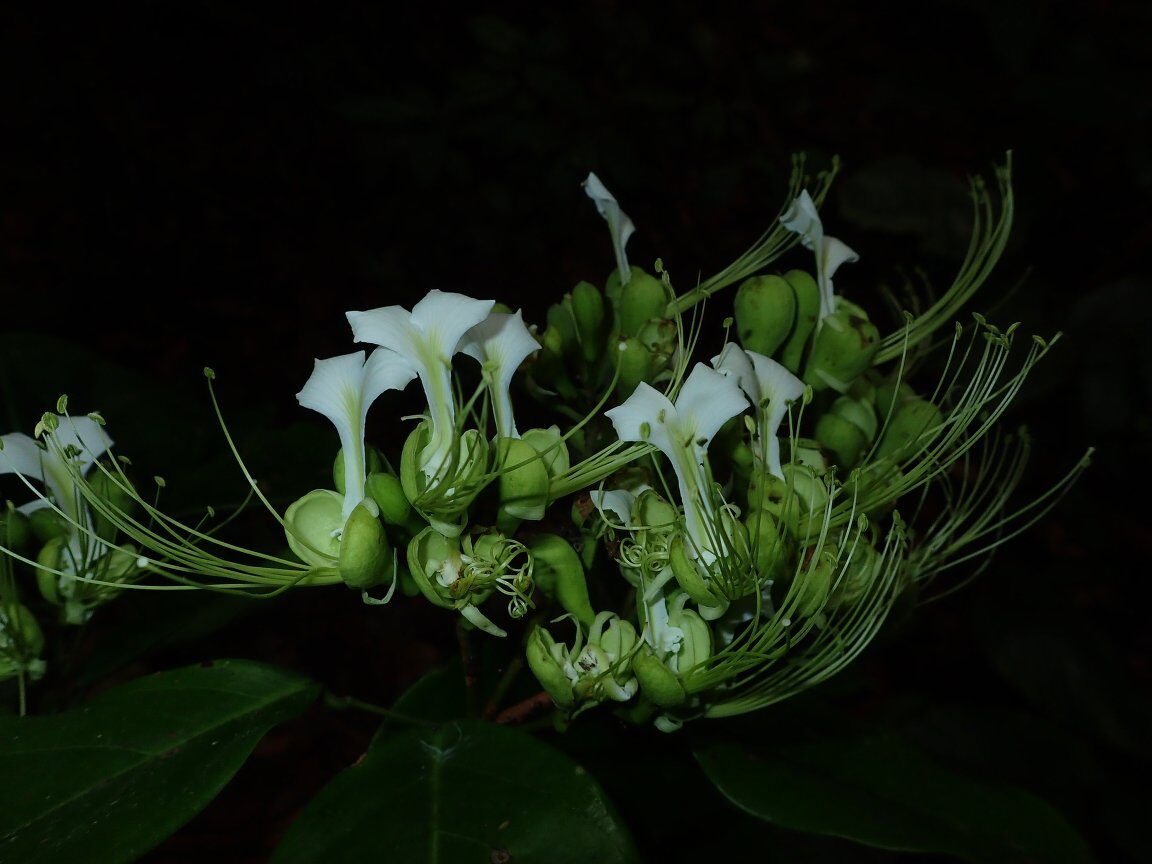
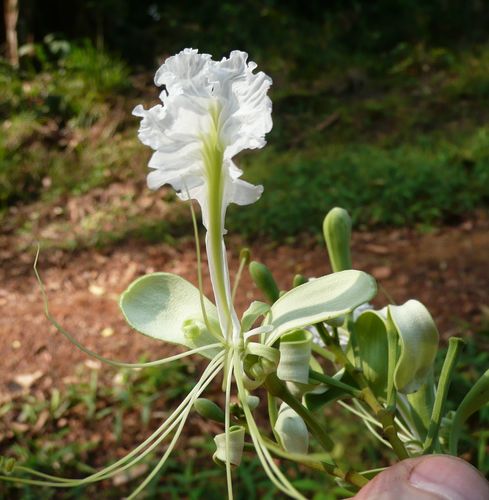
Vachellia tortilis subsp. heteracantha
(Burch.) Kyal. & Boatwr.
Umbrella thorn
gbif· cc-by-nc
Luc Strydom
gbif· cc-by-nc
Luc Strydom
gbif· cc-by-nc
Luc Strydom
Summary
Source: WikipediaVachellia tortilis, widely known as Acacia tortilis but now attributed to the genus Vachellia in the Fabaceae subfamily Mimosoideae, is the umbrella thorn acacia, also known as umbrella thorn and Israeli babool, a medium to large canopied tree native to most of Africa, primarily to the savanna and Sahel of Africa (especially the Somali peninsula and Sudan), but also occurring in the Middle East.
Description
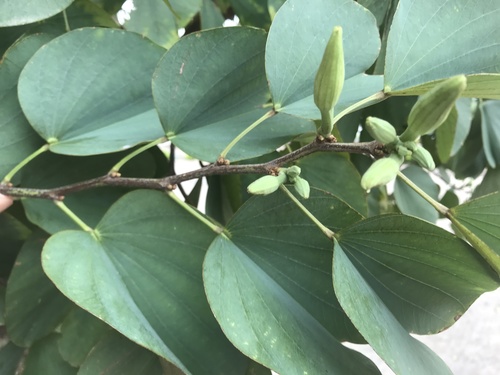
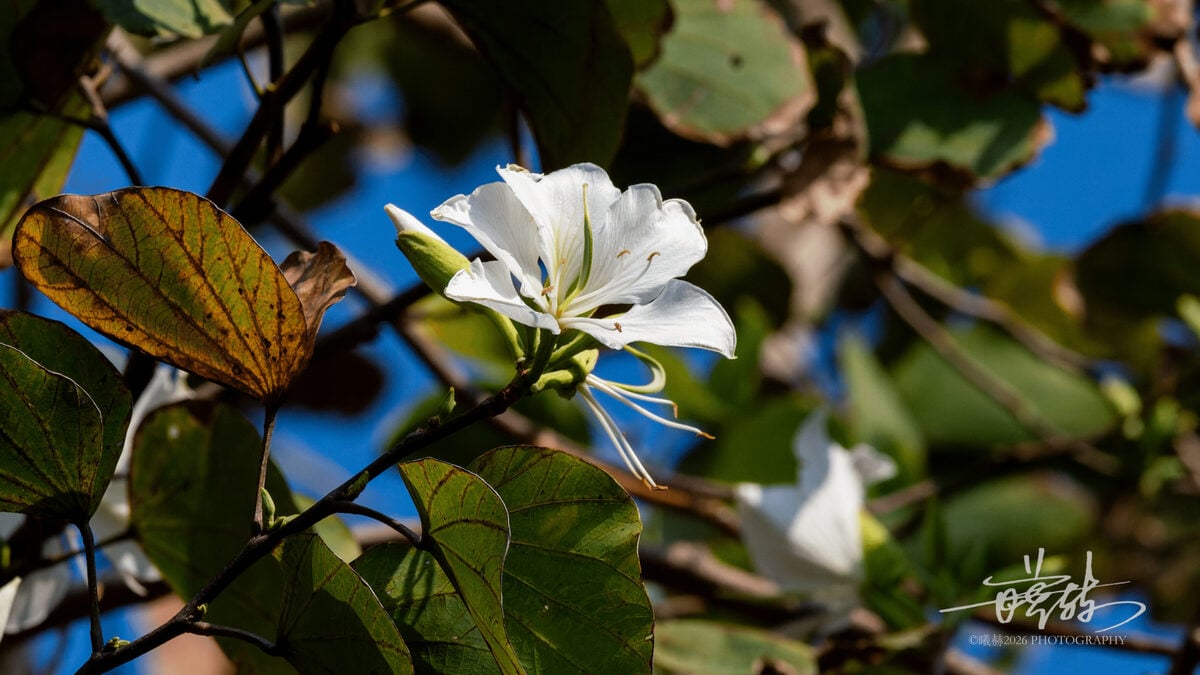
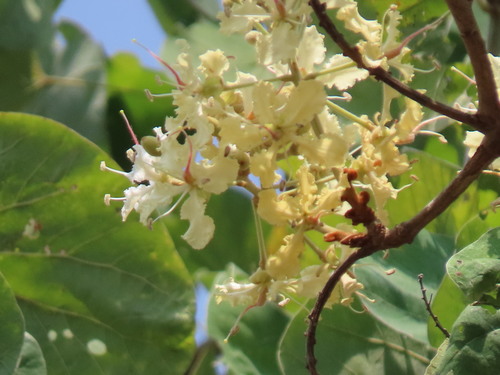
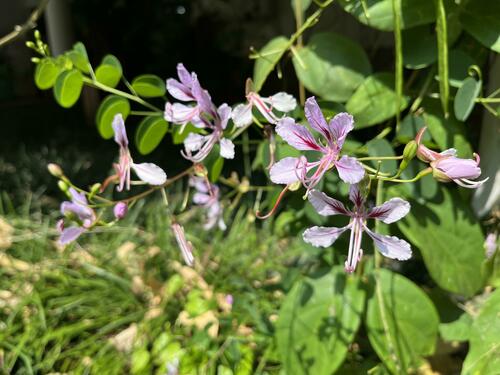
A shrub or tree. It grows 1-20 m tall. It is small and thorny and has a flat top. The thorns are straight and stout. They are white and can be 7 cm long. These can be replaced by short sharp hooks. It loses its leaves during the year. The leaves are 3 cm long with up to 10 pairs of pinnae and 20 pairs of leaflets. These are 2 mm long by 0.5 mm wide. The flowers are in small groups. They are round and 8 mm across. The flowers are white. The fruit are much twisted. They are 8 cm long, but twisted.
Edible Uses
The gum is eaten, especially by children. The fruit pods have seeds removed and the pulp is boiled with milk, blood, or water to make an edible porridge, sometimes with added corn. The pods are eaten as a snack.
Traditional Uses
The gum is eaten. The fruit pods have the seeds removed and the pulp is boiled with milk, blood or water to make an edible porridge. Corn can be added. The pods are eaten as a snack.
Distribution
It is a tropical and subtropical plant. It is tolerant of drought. It is resistant to frost. It grows in areas with an annual rainfall above 150 mm. It grow between 30-1,600 m above sea level. It can grow on alkaline soils. It can grow in arid places.
Where It Grows
Africa, Angola, Botswana, Central Africa, East Africa, Eswatini, Mozambique, Namibia, South Africa, Southern Africa, Swaziland, Zimbabwe,
Cultivation
Plants can be grown from seeds. The seeds are removed from the pod and have boiling water poured over them then allowed to soak overnight. They are then planted in fertile soil.
Production
It grows at a medium rate.
Other Information
The gum is eaten especially by children.
Notes
There are about 1,350 Acacia species. Over 1,000 occur in Australia. Also as Mimosaceae.
Synonyms
Also Known As
Ingoka, Isanqawe, Lisasa, Makoka, Mosu, Munga, Musu, Muswu, Muungakhanga, Narab, Naras, Sessana, Siriri, Sitfetfe, Tafelboom, Umgamba, Umlaladwayi, Umsasane, Unsasane, Withaakdoring
References (12)
- Fox, F. W. & Young, M. E. N., 1982, Food from the Veld. Delta Books. p 200
- Kew Bull. 13:409. 1959
- Magwede, K., van Wyk, B.-E., & van Wyk, A. E., 2019, An inventory of Vhavenḓa useful plants. South African Journal of Botany 122 (2019) 57–89
- Palmer, E and Pitman, N., 1972, Trees of Southern Africa. Vol. 2. A.A. Balkema, Cape Town p 700
- Peters, C. R., O'Brien, E. M., and Drummond, R.B., 1992, Edible Wild plants of Sub-saharan Africa. Kew. p 128
Show all 12 references Hide references
- Roodt, V., 1998, Trees & Shrubs of the Okavango Delta. Medicinal Uses and Nutritional value. The Shell Field Guide Series: Part 1. Shell Botswana. p 177
- Royal Botanic Gardens, Kew (1999). Survey of Economic Plants for Arid and Semi-Arid Lands (SEPASAL) database. Published on the Internet; http://www.rbgkew.org.uk/ceb/sepasal/internet [Accessed 27th April 2011]
- Story, 1958,
- Swaziland's Flora Database http://www.sntc.org.sz/flora
- Van Damme, P et al, 1922, Plant Uses by the Topnaar of the Kuiseb Valley Namib Desert. Afrika Focus Vol. 8(3-4):223-252
- Venter, F & J., 2009, Making the most of Indigenous Trees. Briza. p 32
- www.zimbabweflora.co.zw 2011