Vachellia sieberiana var. woodii
(Burtt-Davy) Kyal. & Boatwr.
Paperbark thorn
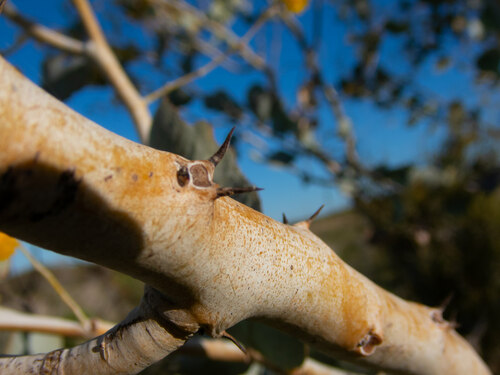
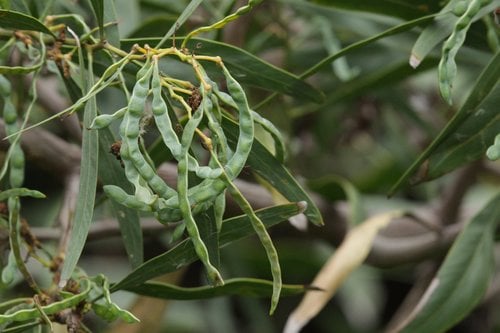
iNaturalist· cc-by-nd
(c) Kyle Campbell, some rights reserved (CC BY-ND), uploaded by Kyle Campbell
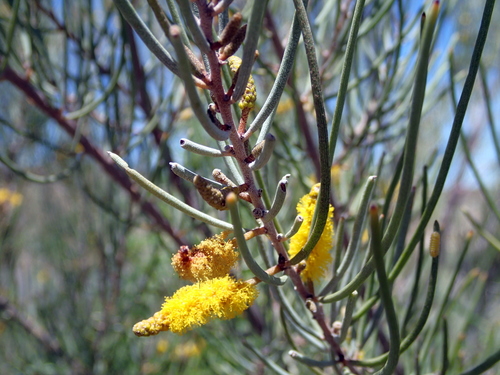
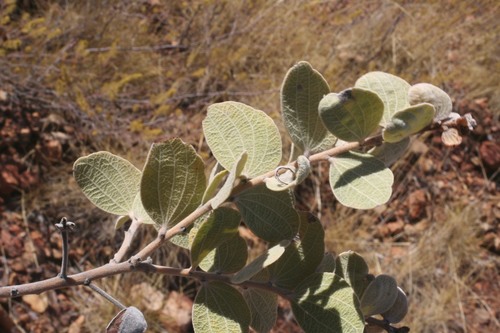
iNaturalist· cc-by-nc
(c) fayne, some rights reserved (CC BY-NC), uploaded by fayne
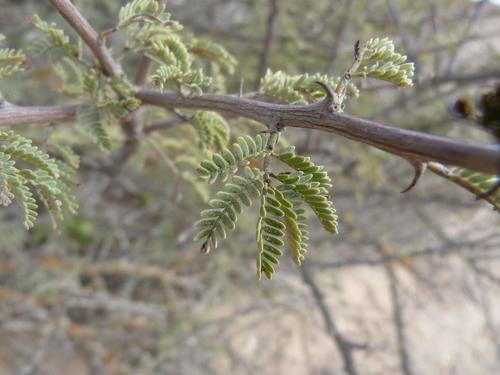
iNaturalist· cc-by-nc
(c) riana60, some rights reserved (CC BY-NC), uploaded by riana60
Summary
Source: WikipediaVachellia sieberiana, until recently known as Acacia sieberiana, is a tree native to southern Africa and introduced into Pakistan. It is used in many areas for various purposes. The tree varies from 3 to 25 m in height, with a trunk diameter of 0.6 to 1.8 m. It is not listed as being a threatened species.
Description
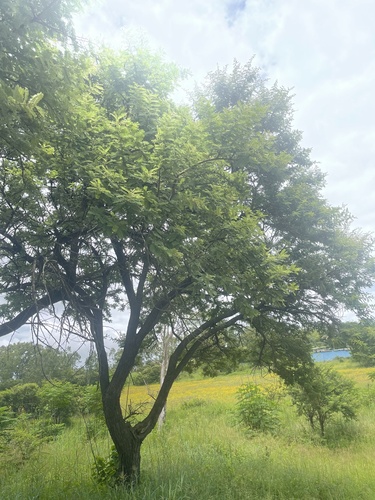
A tree. The crown is flattened. The tree is 12 m high and the crown 16 m wide. The leaves are deep green and leathery. The bark is corky and yellow to brown. It peels off in flat strips. The flowers are pale yellow and round. They have a scent. There are thorns in pairs and they are long and straight. The fruit are light brown woody pods. They are cylinder shaped and thickened.
Edible Uses
The gum is eaten.
Medicinal Uses
In Africa, the bark or root is used to treat urinary tract inflammation. The bark has astringent properties and it is used to treat colds, cough, and childhood fever. According to the World AgroForestry Centre, "A decoction of the root is taken as remedy for stomach-ache. The bark, leaves and gums are used to treat tapeworm, bilharzia, haemorrhage, orchitis, colds, diarrhoea, gonorrhoea, kidney problems, syphilis, ophthalmia, rheumatism and disorders of the circulatory system. It is also used as an astringent. The pods serve as an emollient, and the roots for stomach-ache, acne, tapeworms, urethral problems, oedema and dropsy."
Known Hazards
Vachellia sieberiana is valued largely as a source of forage, medicine and wood. The inner bark is a source of fibre purposes such as stringing beads). The gum is edible) and both livestock and game animals browse the tree and feed on the dropped pods, spreading viable seeds in their dung. The flowers of the tree make good forage for bees and bee hives are put directly in the trees to exploit the resource. The leaves of the tree commonly release toxic chemical compounds when the tree has been heavily browsed, some of the compounds may release hydrogen cyanide when ingested, which may be lethal to cattle. The fallen pods and foliage can provide lifesaving forage during dry times of the year. The gum of the tree is used as food, as an adhesive, and as an ingredient in making ink.
Distribution
It is a tropical plant. Young plants need protection from frost. It can grow in areas with a temperature range of -2°C to 40 °C.
Where It Grows
Africa, Botswana, East Africa, Ethiopia, Mozambique, Namibia, South Africa, Southern Africa,
Cultivation
It can be grown from seeds. The seeds should be put into boiling water then allowed to cool and soak overnight.
Production
It is fast growing.
Notes
Also as Mimosaceae.
Synonyms
Also Known As
Conga, Gunga, Musaunga, Nech-girar, N'roca, N'tshizime, Roca, umNganduzi
References (1)
- Lulekal, E., et al, 2011, Wild edible plants in Ethiopia: a review on their potential to combat food insecurity. Afrika Focus - Vol. 24, No 2. pp 71-121