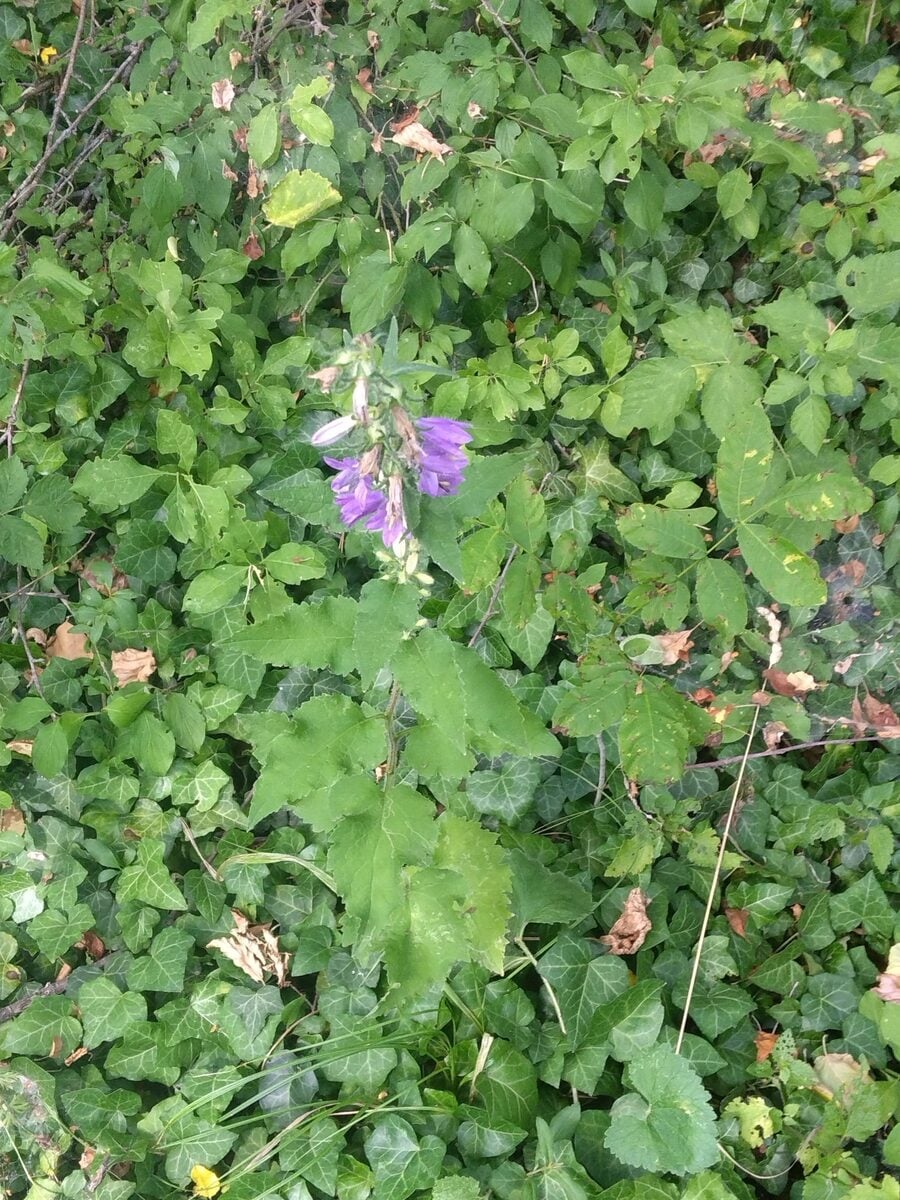
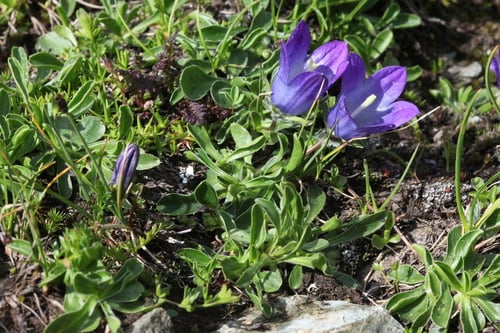
Adenophora liliifolia
(L.) Besser
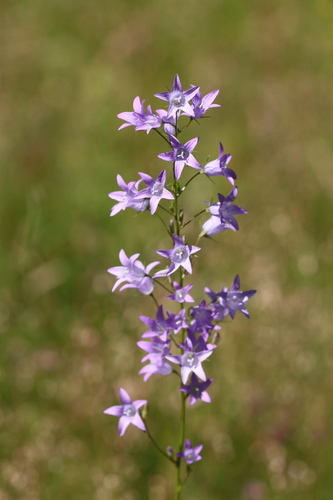
iNaturalist· cc-by-nc
(c) gyng, some rights reserved (CC BY-NC), uploaded by gyng
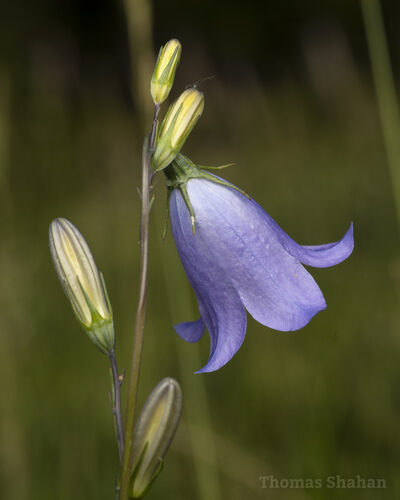
iNaturalist· cc-by-nc
(c) gyng, some rights reserved (CC BY-NC), uploaded by gyng
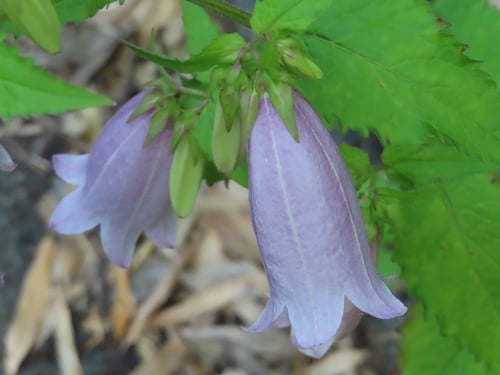
iNaturalist· cc-by-nc
(c) ludmila-17, some rights reserved (CC BY-NC), uploaded by ludmila-17
Summary
Source: WikipediaAdenophora liliifolia is a species of plants belonging to the family Campanulaceae. It is native to Europe and Northern America. Synonyms: Adenophora lilifolia (L.) Ledeb. ex A.DC.
Description
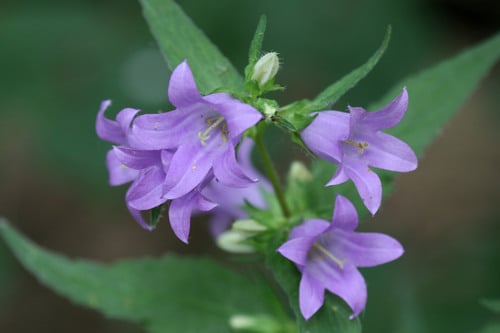
A herb. It keeps growing from year to year. The roots are carrot-shaped and 8-10 cm long by 1-2 cm wide. The stems are 50-150 cm tall. The leaves on the stem do not have leaf stalks. They are oval or sword shaped and 5-13 cm long by 1-5 cm wide. There are teeth along the edge. The flowers are in narrow panicles with branches having up to 7 flowers. They are blue.
Edible Uses
The root is edible cooked — thick, fleshy, and sweet-flavoured, it works well boiled or added to soups.
Medicinal Uses
None known.
Distribution
It is a temperate plant. It grows in forests and scrub in western China.
Where It Grows
Asia, Central Asia, China, Europe, Japan, Kazakhstan, Korea, Mongolia, Russia, Slovenia,
Propagation
Seed is best sown in a cold frame as soon as it is ripe, though spring sowing also works. Surface sow 2–3 seeds per pot in spring to avoid the need for transplanting. If transplanted as very small seedlings, they grow away without difficulty. Germination takes 1–3 months at 10°C. Plant out into permanent positions while still young. Basal cuttings can be taken in spring. Division in spring is possible but very difficult, as the plant dislikes root disturbance.
Other Uses
None known. This plant is noted for its scented flowers.
Other Information
It is a cultivated root crop.
Notes
There are about 40 Adenophora species. They are temperate plants.
Synonyms
Also Known As
Navadna obročnica
References (4)
- Brown, D., 2002, The Royal Horticultural Society encyclopedia of Herbs and their uses. DK Books. p 102
- Enum. pl. 90. 1822 (Ledeb. ex A.DC., Monogr. camp. 358. 1830)
- Pemberton, R. W. & Lee, N. S., 1996, Wild Food Plants in South Korea: Market Presence, New Crops, and Exports to the United States. Economic Botany, Vol. 50, No. 1, pp. 57-70
- Urgamal, M., Oyuntsetseg, B., Nyambayar, D. & Dulamsuren, Ch. 2014. Conspectus of the vascular plants of Mongolia. (Editors: Sanchir, Ch. & Jamsran, Ts.). Ulaanbaatar, Mongolia. “Admon“ Press. 334pp. (p. 158-187).