Pittosporum eugenioides
A. Cunn.
Lemonwood
iNaturalist· cc-by-sa
(c) Colin Meurk, some rights reserved (CC BY-SA), uploaded by Colin Meurk
iNaturalist· cc-by-nc
(c) Brian Simison, some rights reserved (CC BY-NC), uploaded by Brian Simison
iNaturalist· cc-by
(c) Jon Sullivan, some rights reserved (CC BY)
Summary
Source: WikipediaPittosporum eugenioides, commonly known as tarata or lemonwood, is a species of evergreen tree endemic to New Zealand. Growing to 12 m (39 ft) tall by 5 m (16 ft) broad, it is conical when young but more rounded in shape when mature. Its leaves are mottled yellow-green with curly edges and a salient bright midrib, and have a strong lemony smell when crushed. It has highly fragrant clusters of attractive yellow-cream flowers in spring, followed by distinctive black seed capsules. It is found throughout New Zealand's North and South Islands along forest margins and stream banks from sea level to 600 m (1,969 ft). It is New Zealand's largest Pittosporum. The binomial qualifier eugenioides means "resembling Eugenia", a different genus of plants. The variegated cultivar 'Variegatum' has gained the Royal Horticultural Society's Award of Garden Merit.
Description
A tree. It grows 12 m tall. It has a strong lemon smell. The fruit are black seed capsules.
This description is brief — help expand it
Edible Uses
A resin obtained by incising or bruising the bark is used as a chewing gum.
Traditional Uses
The resin is chewed.
This uses section is brief — help expand it
Medicinal Uses
Used to treat halitosis.
Known Hazards
Although no mention has been found for this species, some members of this genus contain saponins. Saponins are found in many foods, such as some beans, and although they are fairly toxic to people they are poorly absorbed by the body and most pass straight through without any problem. They are also broken down if the food is thoroughly cooked for a long time.
Distribution
It is a temperate plant. In New Zealand it grows on the edges of the forest. It grows near streams and up to 600 m above sea level. Arboretum Tasmania.
Where It Grows
Africa, Australia, Britain, East Africa, New Zealand*, Tasmania, Zimbabwe,
Cultivation
Succeeds in any well-drained soil, including dry soils, preferably in a sunny position but also succeeding in light shade. Not very hardy in Britain, tolerating temperatures down to about -5°c. Plants succeed outdoors in Cornwall, though they need greenhouse protection in other parts of the country. Very amenable to pruning, plants can be cut right back into old wood if required. There are some named varieties selected for their ornamental value. 'Variegatum' is hardier than the type. The species in this genus are very likely to hybridize with other members of the genus. When growing a species from seed it is important to ensure that the seed either comes from a known wild source, or from isolated specimens in cultivation. Plants in this genus are notably resistant to honey fungus.
Propagation
Sow seed when ripe in autumn or in late winter in a warm greenhouse; it usually germinates freely. Prick out seedlings into individual pots when large enough to handle, move to a cold frame once established, and plant out in late spring the following year. Some protection from cold is advisable during their first winter outdoors. Cuttings of half-ripe wood, 5–7cm with a heel, can be taken in July or August and rooted in a frame, with a poor to fair success rate. Basal ripewood cuttings can be taken in late autumn in a cold frame.
Other Uses
The resin is also used as a hair oil, in pot pourri, and to treat halitosis.
Also Known As
Tarata
References (2)
- Ann. Nat. Hist. 4:106. 1840
- Crowe, A., 1997, A Field Guide to the Native Edible Plants of New Zealand. Penguin. p 44
More from Pittosporaceae
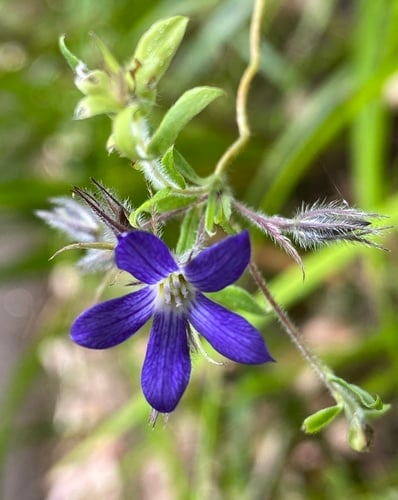
Billardiera variifolia
Western bluebell
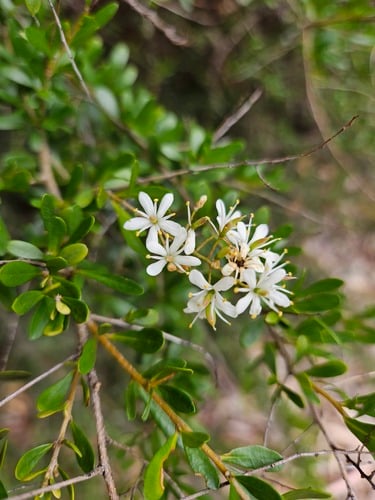
Bursaria spinosa
Australian Blackthorn, Sweet Bursaria
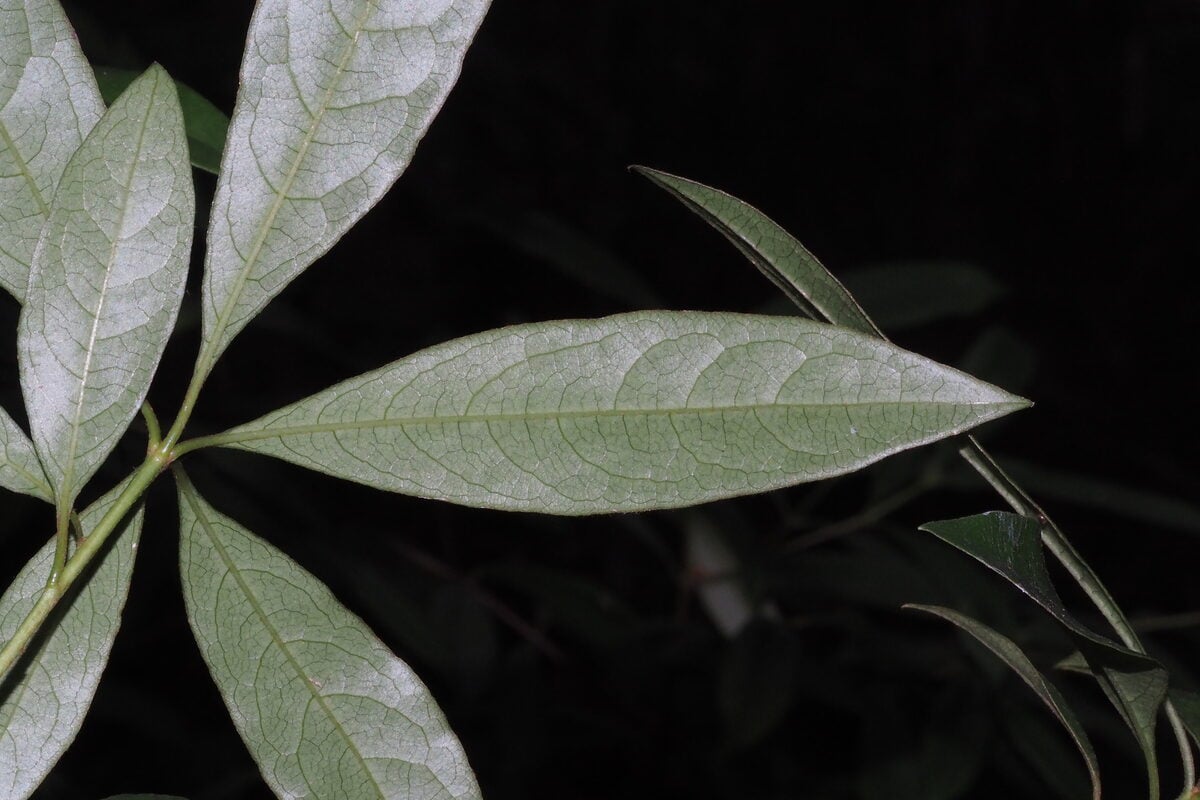
Pittosporum balansae
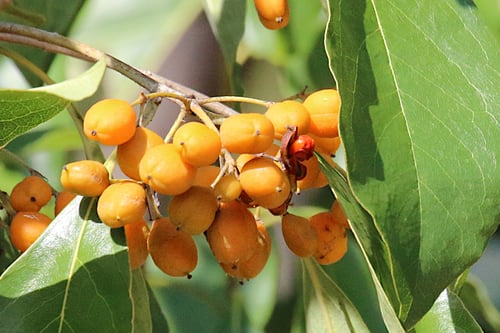
Pittosporum ferrugineum
Rusty Pittosporum, Mock Orange
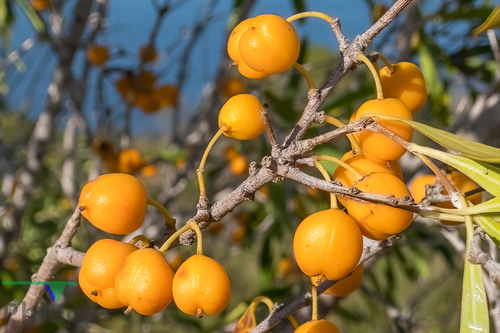
Pittosporum phillyreoides
Weeping pittosporum, Butter bush, Native willow, Meemeei, Wild apricot, Berrigan
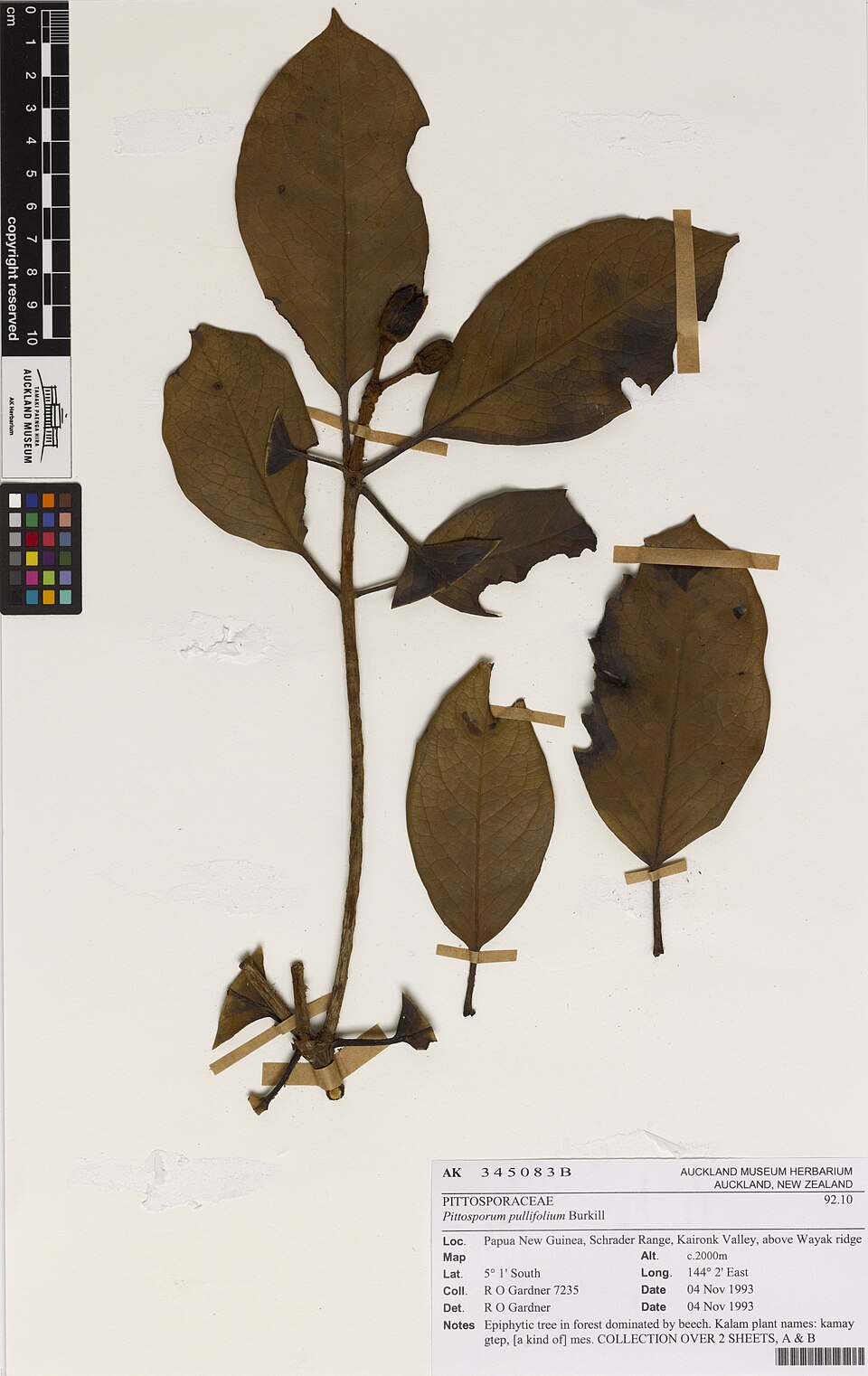
Pittosporum pullifolium