Podocarpus nivalis
Hook.
Tauhinu, Snow totara
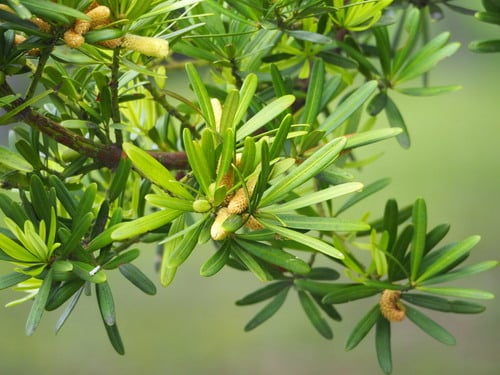
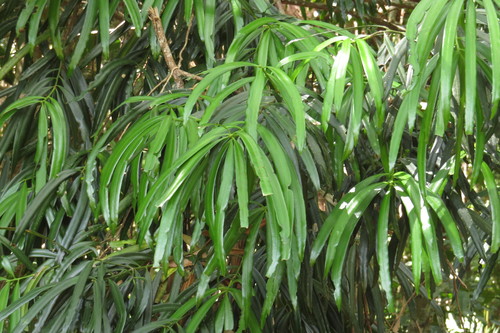
iNaturalist· cc-by-nc
(c) Jon Sullivan, some rights reserved (CC BY-NC)
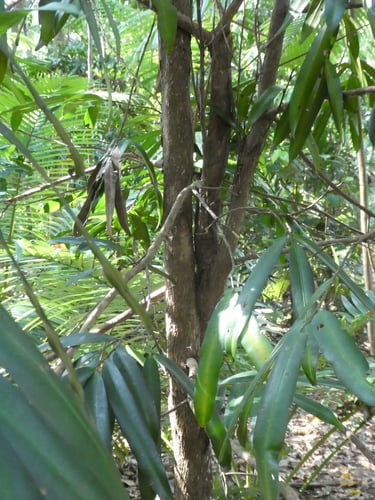
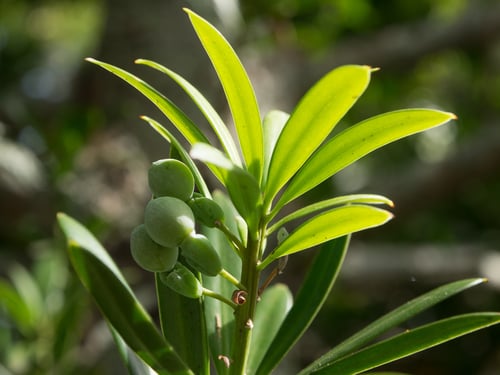
iNaturalist· cc-by-nc
(c) Mio Pelletier, some rights reserved (CC BY-NC)
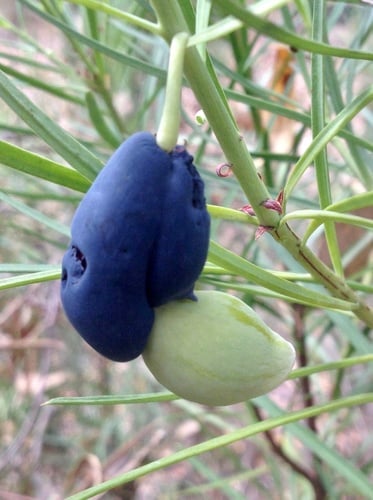
iNaturalist· cc-by-nc
(c) Gathadair, some rights reserved (CC BY-NC), uploaded by Gathadair
Summary
Source: WikipediaPodocarpus nivalis, the mountain or snow tōtara, is a species of conifer in the family Podocarpaceae. It is endemic to New Zealand.
Description
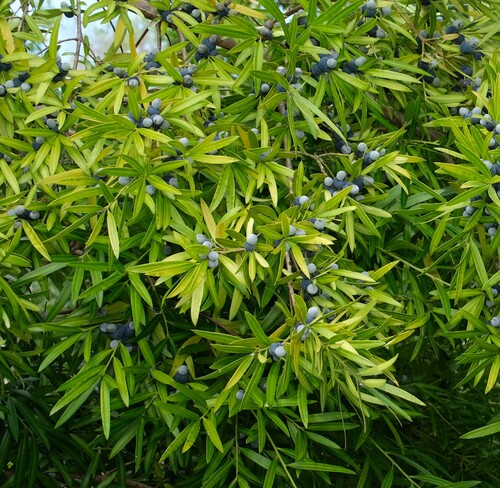
Podocarpus nivalis is a compact evergreen shrub reaching 3 m tall and 5 m wide at a medium growth rate. Hardy to UK zone 7, it maintains foliage year-round with seeds maturing in October. The species is dioecious, requiring both male and female plants for seed production, and relies on wind pollination. It grows in light sandy, medium loamy, or heavy clay soils with good drainage, tolerating mildly acidic to neutral pH. The plant adapts to semi-shaded woodland conditions or full sun and prefers consistently moist soil. Its sprawling branching habit enables use as tall groundcover.
Edible Uses
The fruit is edible raw or cooked, with a sweet and pleasant taste. It measures about 7mm in length.
Traditional Uses
The fruit are eaten raw or cooked.
This uses section is brief — help expand it
Medicinal Uses
None known.
Known Hazards
Superficially similar to Taxus species, but this plant is definitely not poisonous.
Distribution
It is a temperate plant. Arboretum Tasmania.
Where It Grows
Australia, Britain, Europe, Japan, New Zealand*, Tasmania,
Cultivation
Prefers a rich moist non-alkaline soil. Shade tolerant, at least when young. This species is hardy to about -25°c, though the plants grow best in mild winter areas with plenty of rainfall and high humidity. They often fruit freely in Britain. A very ornamental plant, it is very tolerant of trimming. Plants in this genus are notably resistant to honey fungus. Dioecious. Male and female plants must be grown if seed is required.
Propagation
Seed can be sown at any time of year in sandy soil in a warm greenhouse, though sowing as soon as it is ripe is ideal. Prick seedlings into individual pots once large enough to handle and grow them on in the greenhouse for at least their first winter. Plant out into permanent positions in late spring or early summer, after the last expected frosts. Cuttings of half-ripe terminal shoots, 5–10cm long, can be taken in July or August and rooted in a frame.
Other Uses
This plant has a sprawling habit with branches that root as they spread, making it suitable for use as a tall ground cover. Plants are best spaced approximately 1.2 metres apart.
References (3)
- Abdillahi, H. S., 2009, Ethnobotany, phytochemistry and pharmacology of Podocarpus sensu latissimo (s.l.). South African Journal of Botany 76 (2010) 1–24
- Crowe, A., 1997, A Field Guide to the Native Edible Plants of New Zealand. Penguin. p 60
- Icon. Pl. 6: t. 582. 1843