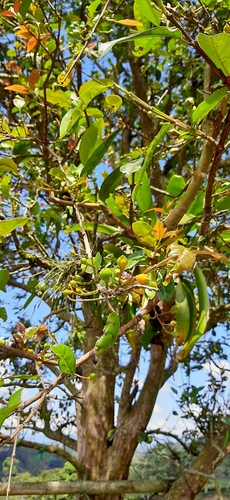
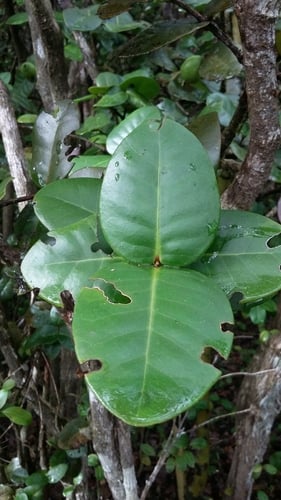
Eucalyptus radiata
Sieber ex DC.
White-top peppermint
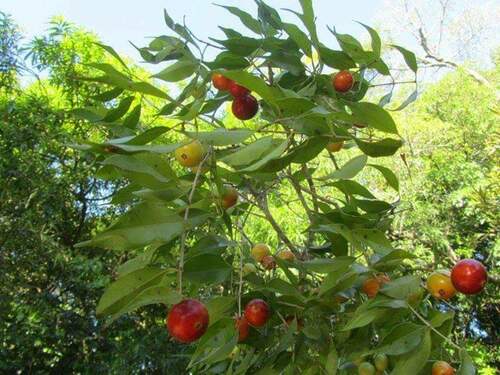
iNaturalist· cc-by-nc
(c) Dean Nicolle, some rights reserved (CC BY-NC), uploaded by Dean Nicolle
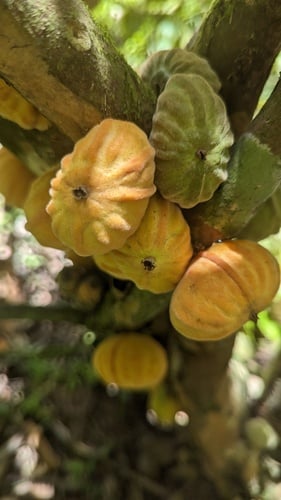
iNaturalist· cc-by-nc
(c) Dean Nicolle, some rights reserved (CC BY-NC), uploaded by Dean Nicolle
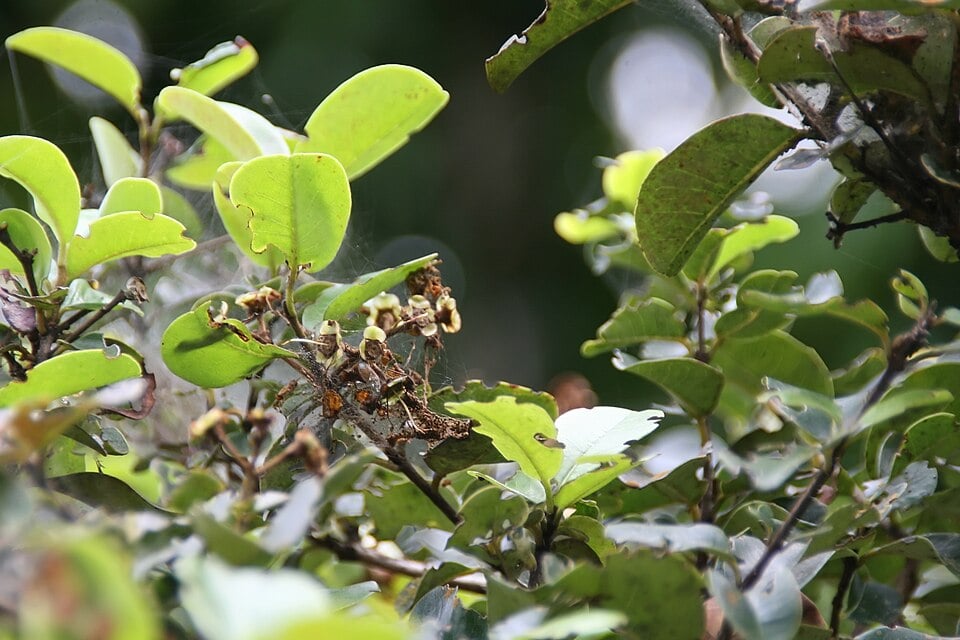
iNaturalist· cc-by-nc-sa
(c) Reiner Richter, some rights reserved (CC BY-NC-SA), uploaded by Reiner Richter
Summary
Source: WikipediaEucalyptus radiata, commonly known as the narrow-leaved peppermint or Forth River peppermint, is a species of tree that is endemic to south-eastern Australia. It has rough, fibrous to flaky bark on the trunk and larger branches, smooth grey bark on the thinner branches, lance-shaped to curved or almost linear leaves, flower buds in groups of eleven to twenty or more, white flowers and cup-shaped, hemispherical or shortened spherical fruit.
Description
A tree.
This description is brief — help expand it
Edible Uses
Eucalyptus radiata has six known chemotypes of essential oil. The leaves are distilled for cineole and phellandrene based eucalyptus oils. E.radiata was the first eucalyptus species to be commercially utilized for oil by Melbourne pharmacist, Joseph Bosisto, in 1854 as "Eucalyptus amygdalina".
Traditional Uses
A sweet manna occurs on the leaves.
This uses section is brief — help expand it
Distribution
It is a temperate plant. Arboretum Tasmania.
Where It Grows
Australia*, Tasmania*,
References (4)
- Donkin,
- Facciola, S., 1998, Cornucopia 2: a Source Book of Edible Plants. Kampong Publications, p 141
- Prodr. 3:218. 1828
- Tasmanian Herbarium Vascular Plants list p 40 (As subsp. robertsonii)