Plinia edulis
(O. Berg.) Nied.
Cambuca, Edible plinia
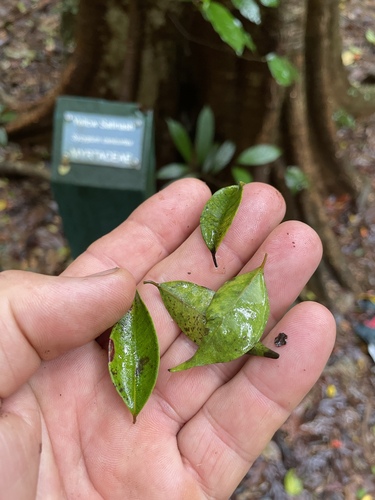
iNaturalist· cc-by-nc
(c) Rogerio Dias, some rights reserved (CC BY-NC)
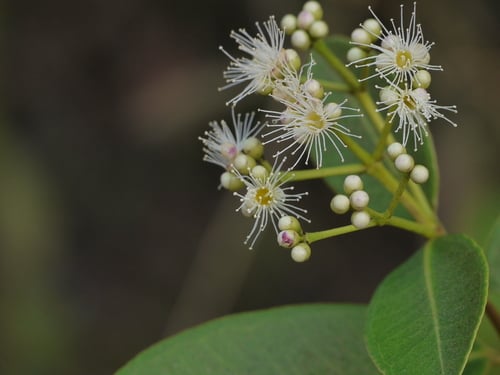
iNaturalist· cc-by-nc
(c) Rogerio Dias, some rights reserved (CC BY-NC)
iNaturalist· cc-by
(c) Victor Farjalla Pontes, some rights reserved (CC BY)
Summary
Source: WikipediaPlinia edulis (formerly Marlierea edulis) is a tree that grows wild in Brazil in the coastal rainforest regions around the Brazilian cities of São Paulo and Rio de Janeiro. The fruit's local name is cambucá while the tree is cambucazeiro. The name is derived from an indigenous word for jar, cambuci, due to the tree's fruit resembling a type of water container, which some would say is "flying saucer"-shaped. The fruit's coloration is yellowy-green, size is 6 cm in diameter and taste is sweet-sour. Cambuca fruit taste resemble light combination of mango and papaya. A member of the myrtle and eucalyptus family, the tree can grow to a height of thirty feet, and propagation is by seed.
Description
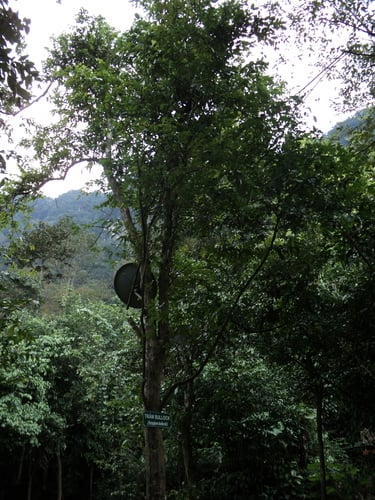
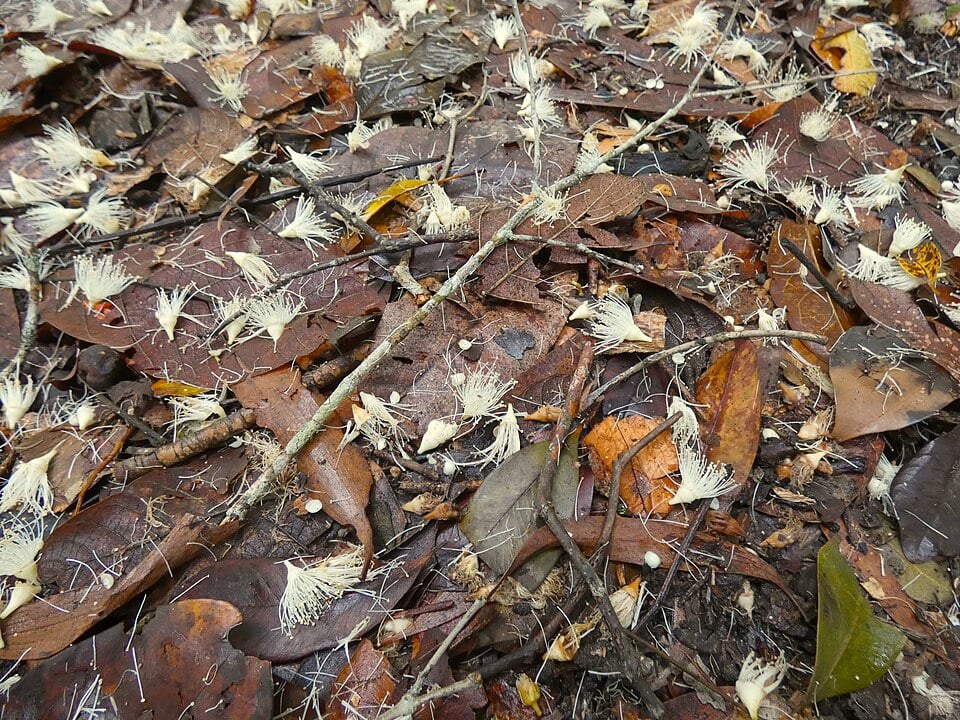
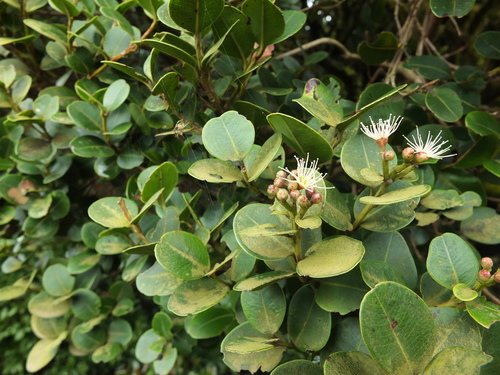
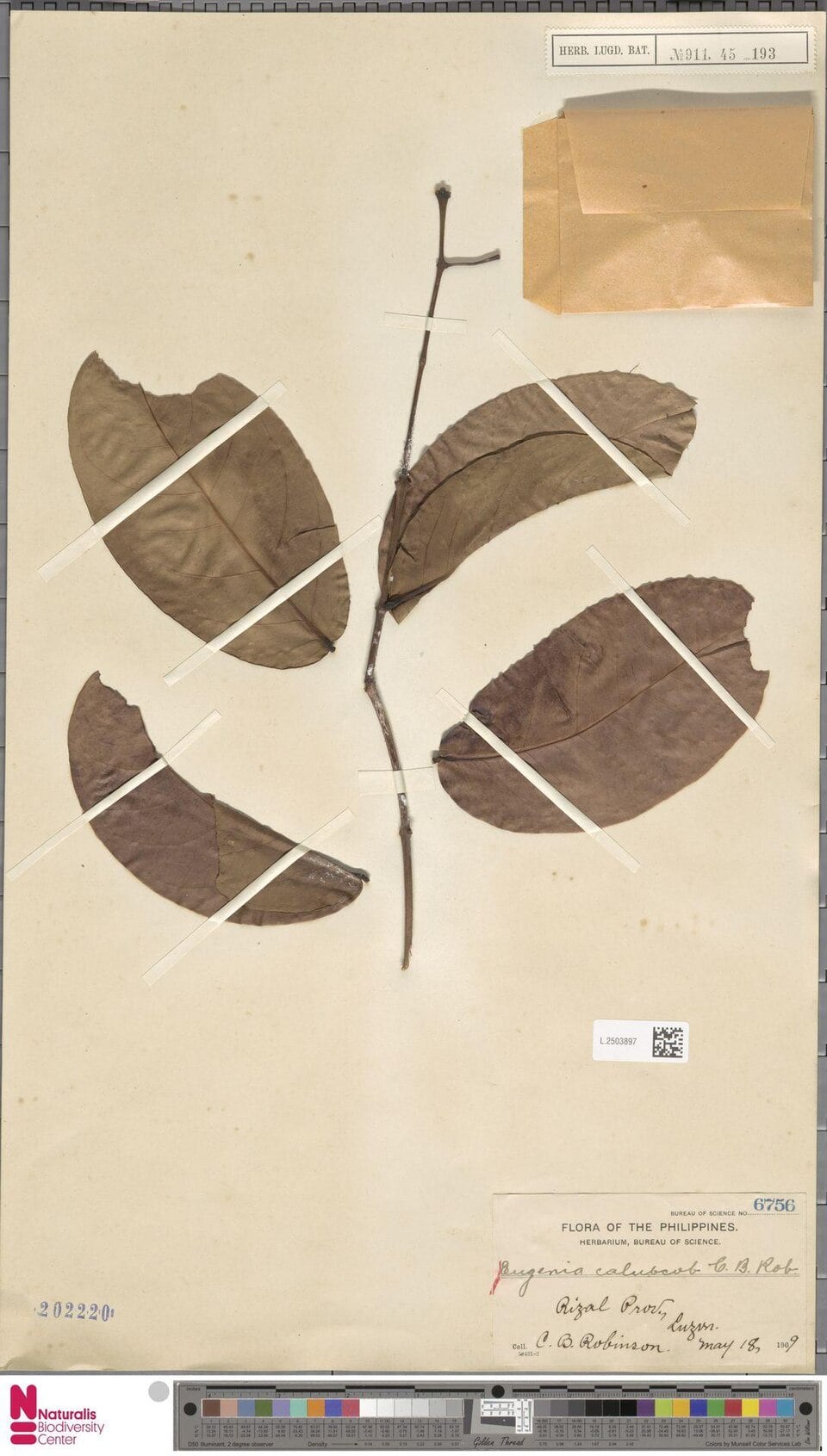
A tree. It grows 5-10 m high. The crown is pyramid shape and has a dense covering of leaves. The trunk is short and 30-40 cm across. The bark is thin and orange-red. It peels off. The leaves are simple and smooth on top but slightly rough underneath. They are 12-17 cm long. The flowers are in small groups on the stems and branches. The fruit is round and ribbed. It is orange-yellow. It has yellow pulp and a large seed.
Edible Uses
The fruit can be eaten raw or cooked. It has a succulent, fleshy pulp with a delicious sweet-acidic flavor. The fruits reach up to 4cm in diameter and contain a single large seed.
Traditional Uses
The fruit are eaten raw or made into juice.
This uses section is brief — help expand it
Medicinal Uses
None known
Distribution
It is a tropical plant. It grows in Brazil in the forest near rivers towards the Atlantic.
Where It Grows
Brazil*, Cuba, South America, West Indies,
Cultivation
Plants are grown from seed. The ripe fruit are harvested and the seed removed and dried in the shade. The seed only remain viable for a short time. Fresh seed should be planted and they germinate in 40-100 days. Seedlings are rady to trnsplant in the field after 10 months.
Propagation
Seed has a very short viability and should be sown as soon as it is ripe in individual containers, kept in a semi-shaded position. Germination rates are usually over 40%, with sprouting occurring within 40–100 days, typically within one month. Seedlings grow slowly but are generally ready for planting into permanent positions within 10 months of germination. Cuttings can also be used.
Other Uses
The wood is moderately heavy, elastic, and has good mechanical properties with medium durability. It is suitable for tool handles, other agricultural tools, precision instruments, and cabinet making.
Production
Plants grow slowly.
Other Information
It is a cultivated fruit tree. The fruit are populated.
Synonyms
Also Known As
Ambucazeiro, Cambuca-verdadeiro, Cambucazeiro, Guayaba pilosa, Yellow jaboticaba
References (13)
- Brack, P., et al, 2020, Frutas nativas do Rio Grande do Sul, Brasil: riqueza e potencial alimentício. Native fruits of Rio Grande do Sul, Brazil: richness and potential as food. Rodriguésia 71: e03102018.
- Campbell, R. J., 1996, South American fruits deserving further attention. Pp. 431-439 In Progress in new crops. (J. Janick,eds.). ASHS Press, Arlington, VA (As Marlierea edulis)
- H. G. A. Engler & K. A. E. Prantl, Nat. Pflanzenfam. 3(7):77. 1893 (As Marlierea edulis)
- Grandtner, M. M. & Chevrette, J., 2013, Dictionary of Trees, Volume 2: South America: Nomenclature, Taxonomy and Ecology. Academic Press p 515
- Kermath, B. M., et al, 2014, Food Plants in the Americas: A survey of the domesticated, cultivated and wild plants used for Human food in North, Central and South America and the Caribbean. On line draft. p 561 (As Myrciaria plicatocostata and Marlierea edulis)
Show all 13 references Hide references
- Kiple, K.F. & Ornelas, K.C., (eds), 2000, The Cambridge World History of Food. CUP p 1743 (As Marlierea edulis)
- Leal, M. L. et al, 2018, Knowledge, use, and disuse of unconventional food plants. Journal of Ethnobiology and Ethnomedicine (2018) 14:6
- Lorenzi, H., 2002, Brazilian Trees. A Guide to the Identification and Cultivation of Brazilian Native Trees. Vol. 01 Nova Odessa, SP, Instituto Plantarum p 283
- Lorenzi, H., Bacher, L., Lacerda, M. & Sartori, S., 2006, Brazilian Fruits & Cultivated Exotics. Sao Paulo, Instituto Plantarum de Estuados da Flora Ltda. p 233
- Miguel, E., et al, 1989, A checklist of the cultivated plants of Cuba. Kulturpflanze 37. 1989, 211-357
- Reis, S. V. and Lipp, F. L., 1982, New Plant Sources for Drugs and Foods from the New York Botanical Garden herbarium. Harvard. p 207 (As Rubachia glomerata)
- Silva, S y H. Tassara, 1996, Frutas no Brasil. Empresa das Artes. São Paulo (As Marlierea edulis)
- www.colecionandofrutas.org