Plinia coronata
(Mattos) Mattos
Jaboticaba coroada, Jabitucaba-de-coroa
wikimedia· cc-by-sa
Wikimedia Commons (via Wikimedia Commons)
gbif· cc-by
Universidade Federal Rural do Rio de Janeiro (RBR)
Summary
Source: WikipediaPlinia coronata, commonly known as jaboticaba coroada (king jabuticaba), is a species of plant in the family Myrtaceae. It is endemic to south-eastern Brazil. The tree grows to between 4 and 12 metres tall, and produces purple, edible fruit, which is between 25 and 30mm in diameter.
Description
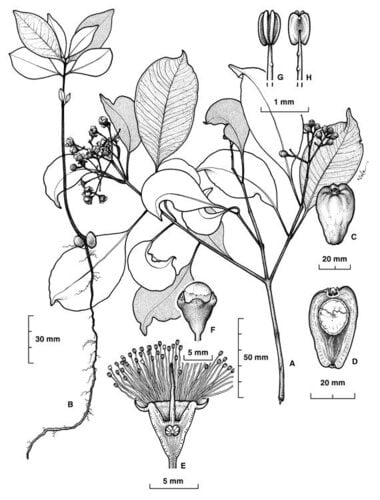
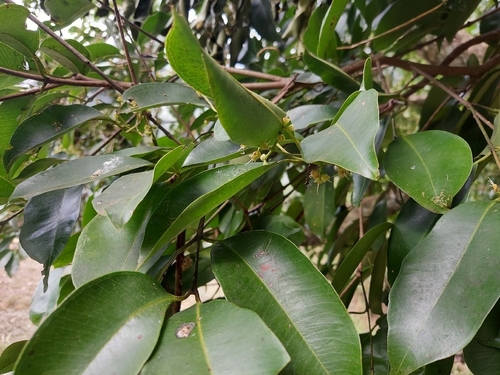
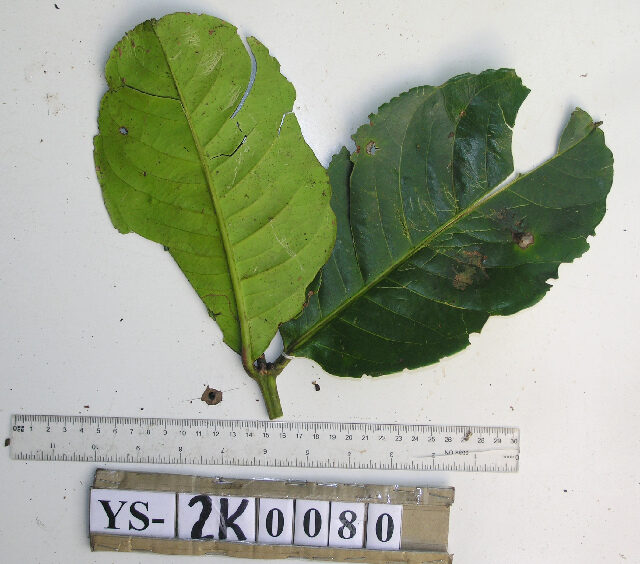
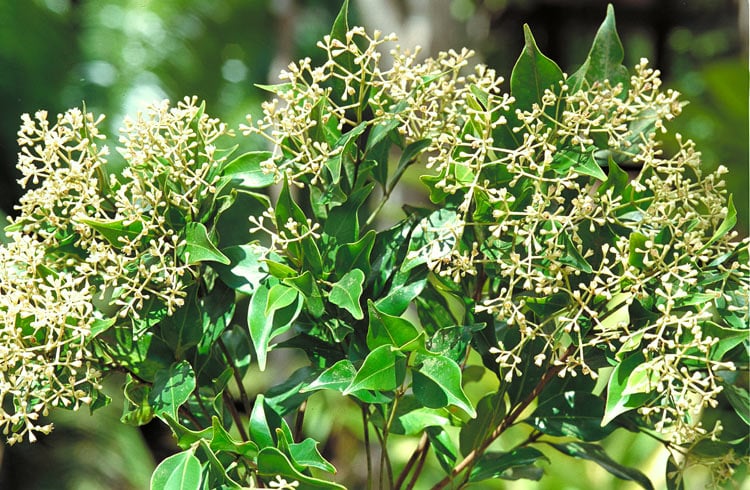
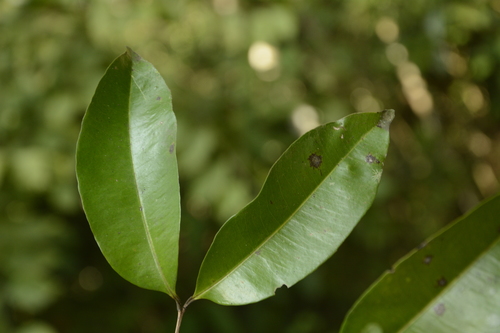
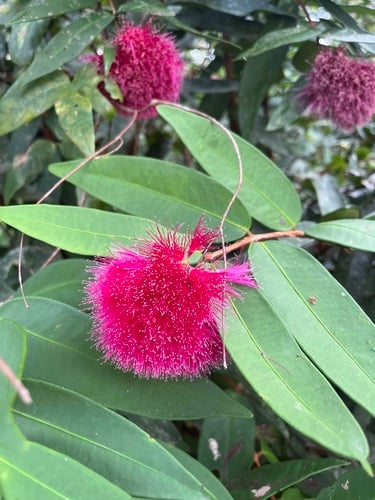
A small tree. It loses any leaves during the year. It grows 3-4 m tall. The leaves are papery and smooth with hairs along the main veins. The leaves are 4-6 cm long. The leaf stalk is 2.5-3 mm long. The flowers are in clusters on the trunk and branches. They are in groups of 1-6. The fruit are green but turn dark red or black. There is a white circle at the top and a crown. The pulp is juicy.
Edible Uses
The fruit are eaten fresh and also made into sweets and jellies.
Traditional Uses
The fruit are eaten fresh. They are also eaten in sweets and jellies.
This uses section is brief — help expand it
Distribution
A tropical plant. It grows in humid forests above 700 m altitude near the Atlantic in Brazil.
Where It Grows
Brazil*, South America,
Cultivation
Plants are grown from seed. The seeds are collected from fallen ripe fruit and allowed to partly decompose in a heap before the seeds are washed under running water. Seeds need to be planted fresh. Seedlings emerge in 20-35 days.
Propagation
Seed - it has a short viability and so is best sown as soon as it is ripe. Sow in a semi-shaded position in a nursery seedbed. Germination rates can be 65% or more, with the seed sprouting within 20 - 35 days. The seedlings grow fairly slowly.
Other Uses
The wood is moderately heavy and slightly susceptible to wood eating organisms. It is only used for fuel and making charcoal.
Production
Plants grow at a moderate rate.
Other Information
It is occasionally cultivated as a fruit tree.
Synonyms
References (4)
- Leal, M. L. et al, 2018, Knowledge, use, and disuse of unconventional food plants. Journal of Ethnobiology and Ethnomedicine (2018) 14:6
- Lorenzi, H., Bacher, L., Lacerda, M. & Sartori, S., 2006, Brazilian Fruits & Cultivated Exotics. Sao Paulo, Instituto Plantarum de Estuados da Flora Ltda. p 221 (As Myrciaria coronata)
- Lorenzi, H., 2009, Brazilian Trees. A Guide to the Identification and Cultivation of Brazilian Native Trees. Instituto Plantarum de Estuados da Flora Ltda. Vol. 3 p 261 (As Myrciaria coronata)
- www.colecionandofrutas.org