Litsea euosma
W. W. Smith
Qing xiang mu jiang zi
gbif· cc-by-nc-sa
MBG
gbif· cc-by-nc
University of Vermont
gbif· cc-by
Meise Botanic Garden
Description
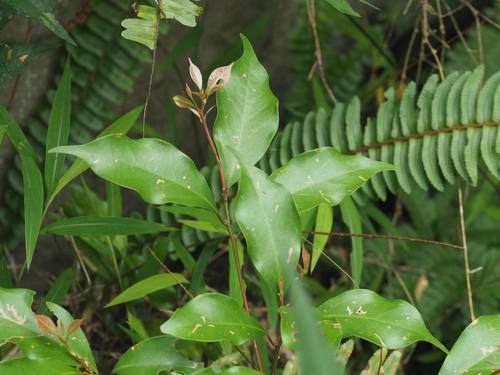
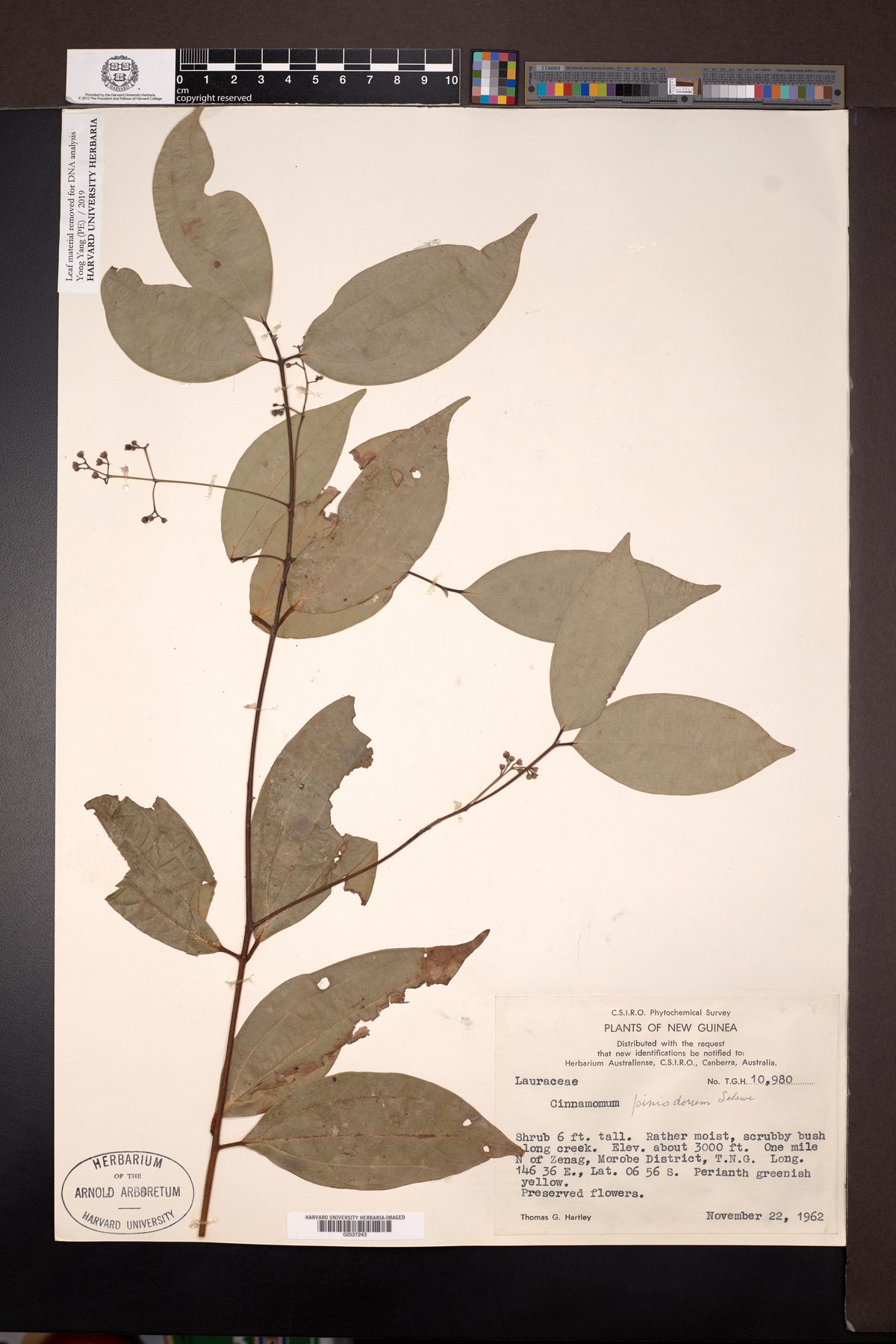
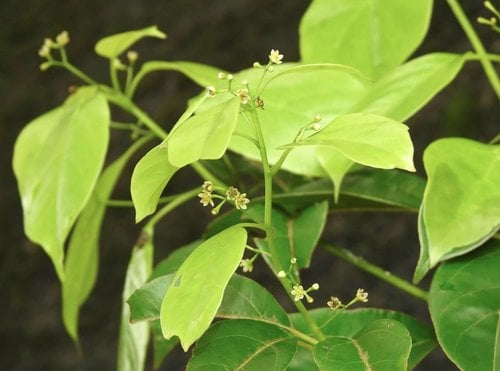
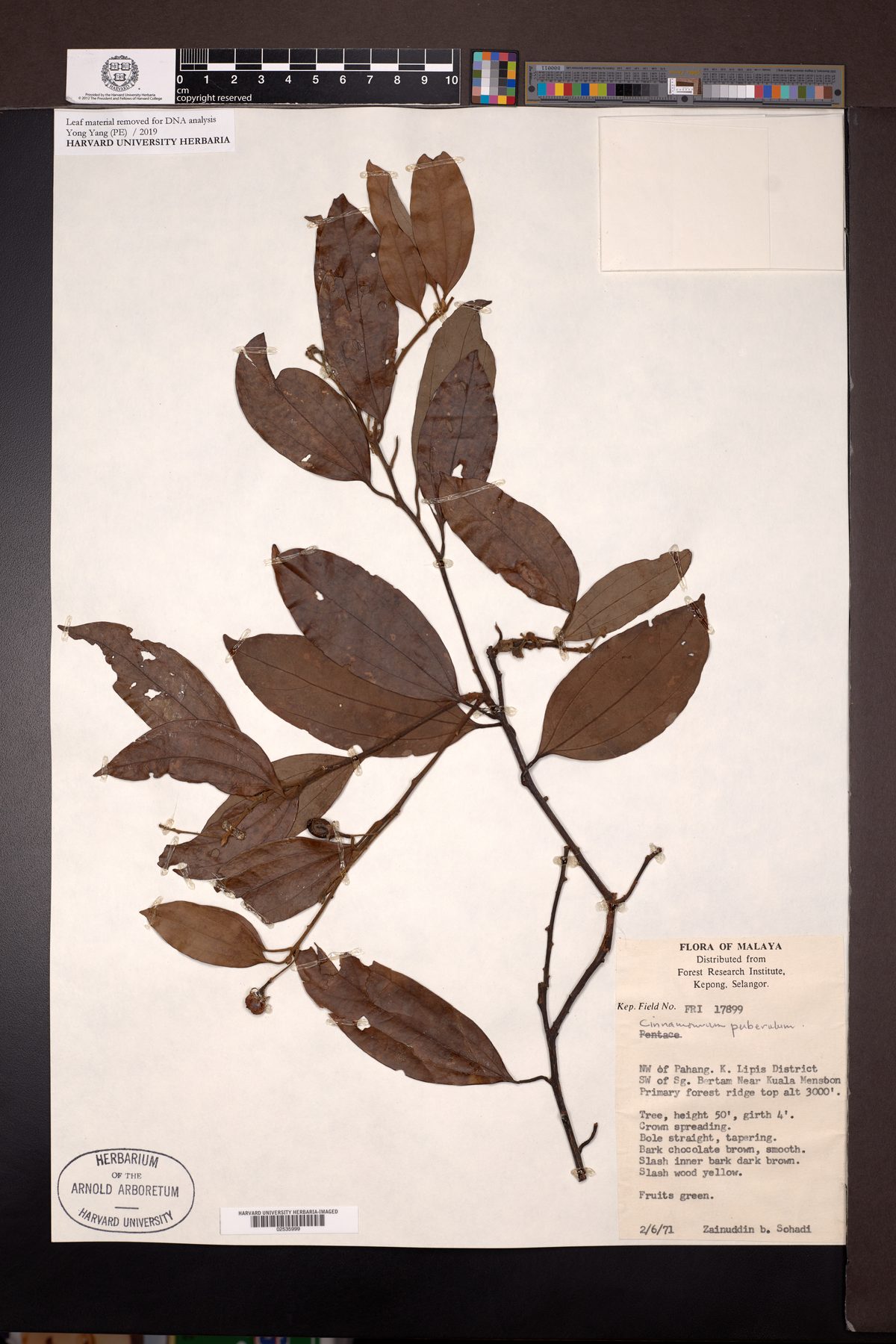
A tree. It loses its leaves during the year. The young branches are hairy. The leaves are alternate. The leaf stalk is 1.5 cm long. The leaf blade is oblong and 6.5-14 cm long by 2.2-4.5 cm wide. It is rounded at the base and tapers to the tip. There are 8-12 pairs of side veins. The flowering stalks are in the axils of leaves. There are 4-6 flowers in a group. Flowering occurs as the leaves develop. The fruit is round and 5-7 mm across.
Edible Uses
The seeds are eaten. The fruit, leaves, and branches are used to extract fragrant oil for flavoring food.
Traditional Uses
The fruit, leaves and branches are used to extract fragrant oil to give a sweet smell to food.
This uses section is brief — help expand it
Medicinal Uses
The fruit is used in traditional medicine.
Distribution
A tropical plant. It grows in moist places in broad leaved forest in southern China at about 2450 m altitude.
Where It Grows
Asia, China, Indochina, SE Asia, Vietnam,
Other Information
The fruit are used in medicine.
Notes
There are 200 or 400 Litsea species.
Also Known As
Boiloi mui-tot
References (3)
- Altschul, S.V.R., 1973, Drugs and Foods from Little-known Plants. Notes in Harvard University Herbaria. Harvard Univ. Press. Massachusetts. no. 1209
- Li Xi-wen, Li Jie, Huang Puhua, van der Werff, H., Lauraceae. Flora of China.
- Reis, S. V. and Lipp, F. L., 1982, New Plant Sources for Drugs and Foods from the New York Botanical Garden herbarium. Harvard. p 79