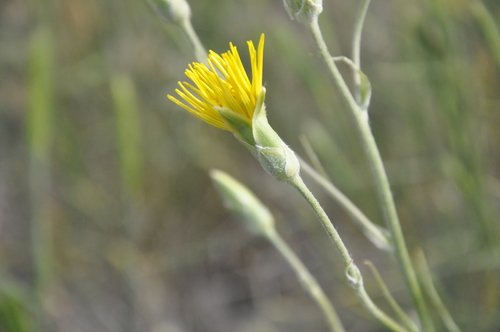
Aster macrophyllus
L.
Large leafed aster, Big leaf aster
iNaturalist· cc-by-nc
(c) jtaddie, some rights reserved (CC BY-NC)
iNaturalist· cc-by-nc
(c) jtaddie, some rights reserved (CC BY-NC)
iNaturalist· cc-by-nc
(c) jtaddie, some rights reserved (CC BY-NC)
Summary
Source: WikipediaA perennial aster reaching 0.6 m (2 ft) tall and equally wide, hardy to UK zone 3. Flowers bloom from August to October. Hermaphrodite flowers are pollinated by bees, flies, beetles, and butterflies, and the plant is self-fertile. Thrives in light sandy, medium loamy, or heavy clay soils that are well-drained. Tolerates mildly acidic, neutral, and mildly alkaline pH. Can tolerate semi-shade in light woodland or grow in full sun, and adapts to both dry and moist soils.
Description
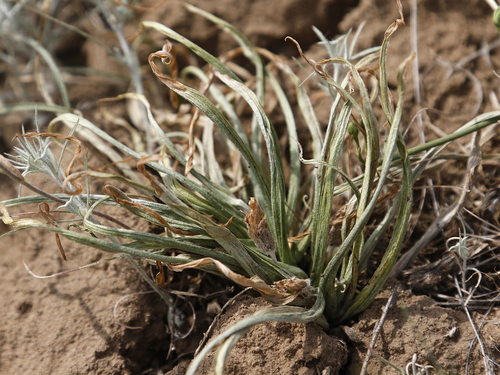
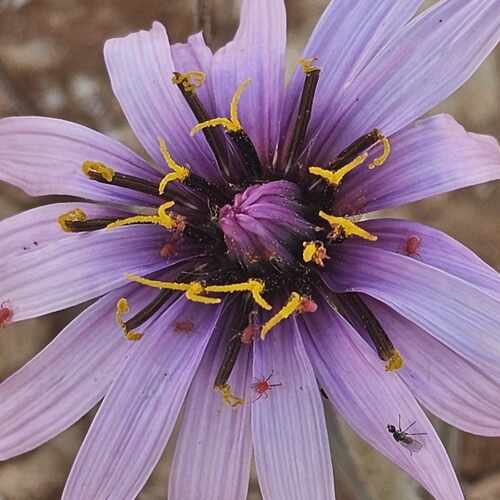
A herb. It keeps growing from year to year. The leaves are oval or heart shaped and rough. They are 25 cm long. The flowers are pale lilac and in delicate heads. The flower stems are 45-60 cm long.
Edible Uses
Edible Parts: Leaves Root Edible Uses: Very young leaves - cooked and used as a vegetable. The leaves are said to act as a medicine as well as a food, though no details are given. Only young leaves are eaten as old leaves quickly become tough. Roots - cooked. They have been used in soups.
Traditional Uses
The young leaves are eaten as a cooked green.
This uses section is brief — help expand it
Medicinal Uses
Blood purifier Laxative VD The roots have been used as a blood medicine. An infusion of the root has been used to bathe the head to treat headaches. A compound decoction of the roots has been used as a laxative in the treatment of venereal disease.
Distribution
It is a temperate plant. It grows in woods and clearings.
Where It Grows
Australia, Britain, Canada, Europe, North America, USA,
Cultivation
Succeeds in most good garden soils, preferring one that is well-drained and moisture retentive. Prefers a sunny position. Succeeds in dry soils in the shade. Grows well in light woodland shade, succeeding amongst the roots of other plants. Plants are hardy to about -25°c. The plant has an invasive root system and can spread freely when well sited. Slugs are fond of this plant and have destroyed even quite large clumps by eating out all the new growth in spring. Most species in this genus seem to be immune to the predations of rabbits. A very variable plant with many different forms, it hybridizes freely with other members of this genus.
Propagation
Seed - surface sow in spring in a cold frame. Do not allow the compost to become dry. Pre-chilling the seed for two weeks can improve germination rates. Germination usually takes place within 2 weeks at 20°c. When large enough to handle, prick the seedlings out into individual pots and plant them out in the summer. Division in spring or autumn. Very easy, larger divisions can be planted straight into their permanent positions whist smaller clumps are best potted up and kept in a cold frame until they are growing away well. Basal cuttings in late spring. Harvest the shoots when they are about 10 - 15cm long with plenty of underground stem. Pot them up into individual pots and keep them in light shade in a cold frame or greenhouse until they are rooting well. Plant them out in the summer.
Other Uses
Plants can be used as a ground cover in light shade, forming a spreading clump. Special Uses Food Forest Ground cover
Notes
There are about 250 Aster species.
References (8)
- Beckstrom-Sternberg, Stephen M., and James A. Duke. "The Foodplant Database." http://probe.nalusda.gov:8300/cgi-bin/browse/foodplantdb.(ACEDB version 4.0 - data version July 1994)
- Bircher, A. G. & Bircher, W. H., 2000, Encyclopedia of Fruit Trees and Edible Flowering Plants in Egypt and the Subtropics. AUC Press. p 45
- Hibbert, M., 2002, The Aussie Plant Finder 2002, Florilegium. p 34
- Kermath, B. M., et al, 2014, Food Plants in the Americas: A survey of the domesticated, cultivated and wild plants used for Human food in North, Central and South America and the Caribbean. On line draft. p 97
- Morley, B. & Everard, B., 1970, Wild Flowers of the World. Ebury press. Plate 165
Show all 8 references Hide references
- Plants for a Future database, The Field, Penpol, Lostwithiel, Cornwall, PL22 0NG, UK. http://www.scs.leeds.ac.uk/pfaf/
- Sp. pl. ed. 2, 2:1232. 1763
- Toupal, R. S. & Hollenback, K., 2009, An Ethnobotany of Indiana Dunes National Lakeshore: Plant Uses of the Ojibwa People. Bureau of Applied Research in Anthropology. University of Arizona