Glebionis coronaria
(L.) Cass. ex Spach
Chrysanthemum greens, Crown daisy
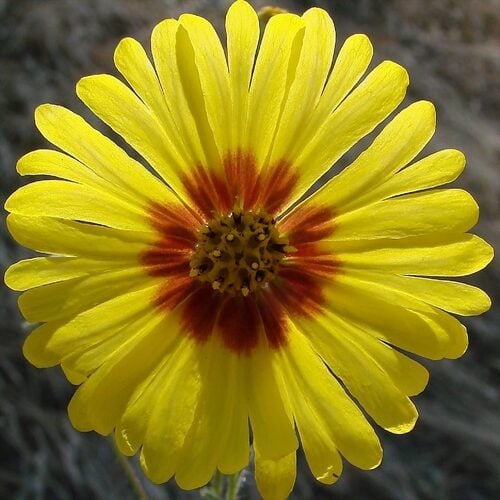
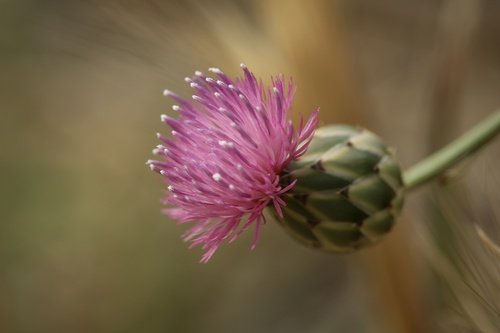
iNaturalist· cc-by-nc
(c) James Bailey, some rights reserved (CC BY-NC), uploaded by James Bailey
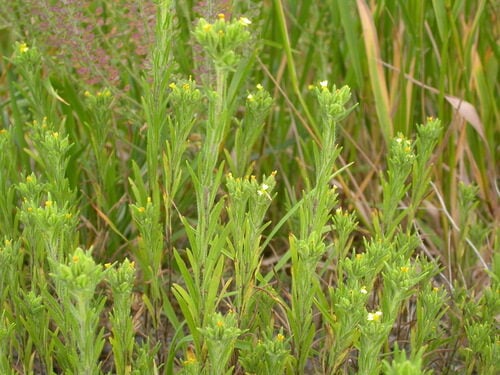
iNaturalist· cc0
no rights reserved
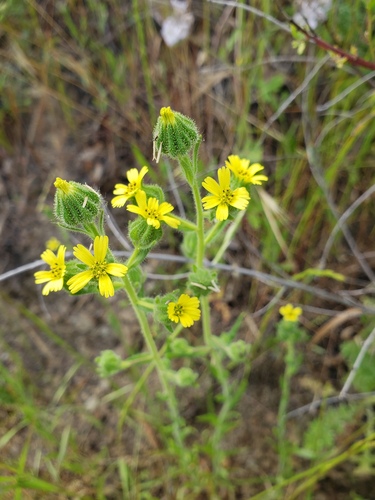
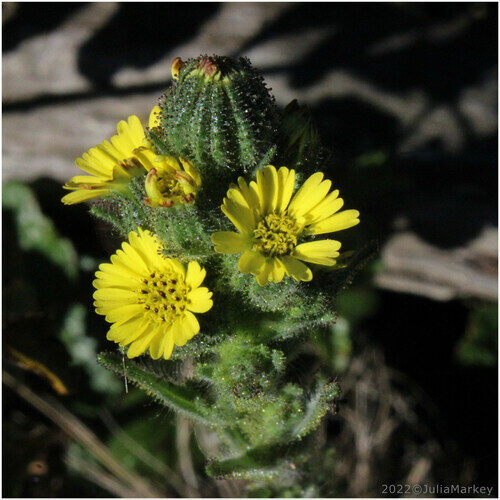
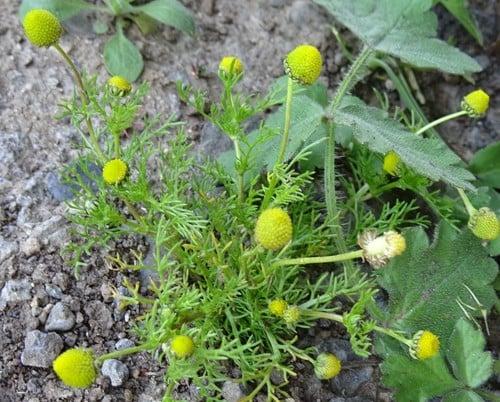
iNaturalist· cc-by-sa
(c) Tony Rebelo, some rights reserved (CC BY-SA), uploaded by Tony Rebelo
Summary
Source: WikipediaGlebionis coronaria, formerly called Chrysanthemum coronarium, is a species of flowering plant in the family Asteraceae. It is native to the Mediterranean region. It is cultivated and naturalized in East Asia and in scattered locations in North America. Glebionis coronaria is used as a leaf vegetable. English language common names include garland chrysanthemum, chrysanthemum greens, edible chrysanthemum, crowndaisy chrysanthemum, chop suey greens, crown daisy, and Japanese greens. Glebionis coronaria has been hybridized with related Argyranthemum species to create cultivars of garden marguerites.
Description
An annual herb eaten at the seedling stage when it is not more than 20 cm high. It has many branches and grows 2 m tall. Leaves are succulent with a light silvery tinge and broadly serrated edges. There are a range of variations in leaf size and shape. They can be toothed or deeply indented. The flowers are golden. They are produced in large numbers. There are several cultivated varieties. There have been some attempts to preserve the name Chrysanthemum coronarium
Edible Uses
The plant's greens are used in many Asian cuisines. Normally only the greens are consumed but the stronger tasting stalk can also be used. They can be simmered, steamed, stir fried, deep fried, or added to soups. When overcooked they can become bitter. In Korean cuisine, the plant is called ssukgat (쑥갓) and is used as an ingredient in various soups and stews, as well as a side dish (namul). In Chinese cuisine, it is called tong ho choy in Cantonese, and tóng hāo cài (茼蒿菜) in Mandarin. It is used as an ingredient for stir-fries, stews, casseroles, and hotpots. In traditional food culture it is seen as "warming" and thus was primarily eaten when it was cold. In Japanese cuisine, it is called shungiku (春菊 "spring chrysanthemum"), and is used in nabemono, mixed into rice, or drizzled with soy sauce and sesame seeds as a side dish. It is also commonly added to sukiyaki. In Vietnamese cuisine, the greens are known as cải cúc or tần ô, and are used in soup (canh) or as a side dish accompanying various noodle soups. In a hotpot, it is added at the last moment to the pot to avoid overcooking. In Crete, a variety of the species called mantilida (μαντηλίδα) has its tender shoots eaten raw or steamed by the locals (see Greek cuisine).
Traditional Uses
The tender shoots are eaten as cooked vegetable or in soups. They are also eaten raw in salads. Fresh petals are put in soups and in tea like drinks. The sprouted seeds are eaten as a snack.
Distribution
A Mediterranean climate plant. It can grow in dry soils. It can grow in arid places.
Where It Grows
Afghanistan, Africa, Algeria, Argentina, Asia, Australia, Austria, Azores, Bangladesh, Cambodia, Canary Island, Central Asia, Chile, China, Czech Republic, East Africa, Egypt, Europe, France, Greece, Hawaii, Hong Kong, India, Indochina, Indonesia, Iran, Iraq, Israel, Italy, Japan, Jordan, Kenya, Korea, Laos, Lebanon, Libya, Malaysia, Mediterranean, Middle East, Morocco, North Africa, North America, Pacific, Pakistan, Palestine, Philippines, Portugal, Qatar, Romania, Saudi Arabia, SE Asia, Sicily, Singapore, Slovakia, South Africa, South America, Spain, Syria, Taiwan, Tajikistan, Tanzania, Tasmania, Thailand, Turkey, Türkiye, Uruguay, USA, Vietnam, Yemen, Yugoslavia,
Other Information
It is a commercially cultivated vegetable.
Notes
There are about 20-40 Chrysanthemum species and many cultivated varieties. Chemical composition: Protein = 1.85%. Fat = 0.43%. Carbohydrate = 2.57%. Ash = 0.92%. Reportedly rich in Vitamin B1, with a moderate amount of Vitamin C, and a small amount of Vitamin A.
Nutrition
| Part | Moisture | kJ | kcal | Protein | Vit A | Vit C | Iron | Zinc |
|---|---|---|---|---|---|---|---|---|
| Flower | 90.3 | 90.3 | 24 | 1.6 | — | 10 | 8.7 | 2 |
Synonyms
Also Known As
Babrisak, Bagaur, Basum, Busbas, Cay cuc, Chamanti, Chandramallika, Chopsuey greens, Crown daisy, Ciuri di cacamaiu, Dallama, Garland chrysanthemum, Gul-chini, Guldaudi, Gulechini, Gulesvati, Japanese greens, Khee kwai, Kikuna, Kra djaja, Mojino amarillo, Ong hao, Phak tang o, Phakkhikhwai, Rjel djaja, Saruni walanda, Seoti, Shamantippu, Shevanti, Shevantika, Shungiku, Sookgat, Ssukka, Sungiku, Tango, Tang-Oh, Tong Hao, Tong-Mo, Tongho, Tung ho, Tursiphal, Zaenil
References (69)
- Ali-Shtayeh, M. S., et al, 2008, Traditional knowledge of wild edible plants used in Palestine (Northern West Bank): A comparative study. J Ethnobiol Ethnomed. 4: 13 (As Chrysanthemum coronarium)
- Al-Qura'n, S. A., 2010, Ethnobotanical and Ecological Studies of Wild Edible Plants in Jordan. Libyan Agriculture Research Center Journal International 1(4):231-243 (As Chrysanthemum coronarium)
- Ambasta, S.P. (Ed.), 2000, The Useful Plants of India. CSIR India. p 122 (As Chrysanthemum coronarium)
- Ara, R. I. T., 2015, Leafy Vegetables in Bangladesh. Photon eBooks. p 101
- Arora, R. K., 2014, Diversity in Underutilized Plant Species - An Asia-Pacific Perspective. Bioversity International. p 38
Show all 69 references Hide references
- Biscotti, N. et al, 2018, The traditional food use of wild vegetables in Apulia (Italy) in the light of Italian ethnobotanical literature. Italian Botanist 5:1-24
- Blamey, M and Grey-Wilson, C., 2005, Wild flowers of the Mediterranean. A & C Black London. p 444(As Chrysanthemum coronarium)
- Bremness, L., 1994, Herbs. Collins Eyewitness Handbooks. Harper Collins. p 240 (As Chrysanthemum coronarium)
- Brickell, C. (Ed.), 1999, The Royal Horticultural Society A-Z Encyclopedia of Garden Plants. Convent Garden Books. p 263(As Chrysanthemum coronarium)
- Burkill, I.H., 1966, A Dictionary of the Economic Products of the Malay Peninsula. Ministry of Agriculture and Cooperatives, Kuala Lumpur, Malaysia. Vol 1 (A-H) p 539 (As Chrysanthemum coronarium)
- Chin, H. F., 1999, Malaysian Vegetables in Colour. Tropical Press. p 71 (As Chrysanthemum coronarium)
- Cordero, S. E., Abello, L. A., & Galvez, F. L., 2017, Plantas silvestres comestibles y medicinales de Chile y otras partes del mundo. CORMA p 162 (As Chrysanthemum coronarium)
- Creasy, R., 2000, The Edible Asian Garden. Periplus p 53 (As Chrysanthemum coronarium)
- Cultivated vegetables of the world: a multilingual anomasticon. 2011, Springer
- Ertug, F., 2004, Wild Edible Plants of the Bodrum Area. (Mugla, Turkey). Turk. J. Bot. 28 (2004): 161-174 (As Chrysanthemum coronarium)
- Ertug, F, Yenen Bitkiler. Resimli Türkiye Florası -I- Flora of Turkey - Ethnobotany supplement
- Facciola, S., 1998, Cornucopia 2: a Source Book of Edible Plants. Kampong Publications, p 36 (As Chrysanthemum coronarium)
- Flora of Pakistan. (As Chrysanthemum coronarium)
- Foo, J.T.S.(ed), 1996, A Guide to Common Vegetables. Singapore Science Foundation. p 24 (As Chrysanthemum coronarium)
- Geraci, A., et al, 2018, The wild taxa utilized as vegetables in Sicily (Italy): a traditional component of the Mediterranean diet. Journal of Ethnobiology and Ethnomedicine (2018) 14:14
- Ghanimi, R., et al, 2022, Ethnobotanical study on wild edible plants traditionally used by Messiwa people, Morocco. Journal of Ethnobiology and Ethnomedicine. 18:16
- Grubben, G. J. H. and Denton, O. A. (eds), 2004, Plant Resources of Tropical Africa 2. Vegetables. PROTA, Wageningen, Netherlands. p 560 (As Chrysanthemum coronarium)
- Gurdal, B. & Kultur, S., 2014, The edible and miscellaneous useful plants in Marmaris (Southwest Turkey). İstanbul Ecz. Fak. Derg. / J. Fac. Pharm. Istanbul 44(1) 2014 pp.69-78 (As Chrysanthemum coronarium)
- Guzelsoy, N. A., et al, 2017, Nutritional Properties of some Wild Edible Plant Species in Turkey. ANADOLU, J. of AARI 27(2) 2017, 39-45
- Hinnawi, N. S. A., 2010, An ethnobotanical study of wild edible plants in the Northern West Bank "Palestine". An-Najah National University. p 96 (As Chrysanthemum coronarium)
- Hussey, B.M.J., Keighery, G.J., Cousens, R.D., Dodd, J., Lloyd, S.G., 1997, Western Weeds. A guide to the weeds of Western Australia. Plant Protection Society of Western Australia. p 92 (As Chrysanthemum coronarium)
- Hu, Shiu-ying, 2005, Food Plants of China. The Chinese University Press. p 722 (As Chrysanthemum coronarium)
- Kays, S. J., and Dias, J. C. S., 1995, Common Names of Commercially Cultivated Vegetables of the World in 15 languages. Economic Botany, Vol. 49, No. 2, pp. 115-152 (As Chrysanthemum coronarium)
- Kermath, B. M., et al, 2014, Food Plants in the Americas: A survey of the domesticated, cultivated and wild plants used for Human food in North, Central and South America and the Caribbean. On line draft. p 389
- Kiple, K.F. & Ornelas, K.C., (eds), 2000, The Cambridge World History of Food. CUP p 1756 (As Chrysanthemum coronarium)
- Kiple, K.F. & Ornelas, K.C., (eds), 2000, The Cambridge World History of Food. CUP p 1756 (As Chrysanthemum spathiosum)
- Kumar, S. A., Manus, D. & Mallika, M., 2018, Impact of non-timber forest products on Forest and in Livelihood Economy of the People of Adjoining Areas of Jalpaiguri Forest Division, West Bengal, India. Int. J. of Life Sciences, 2018; 6 (2):365-385
- Larkcom, J., 1991, Oriental Vegetables, John Murray, London, p 76, 136 (As Chrysanthemum coronarium)
- Lazarides, M. & Hince, B., 1993, Handbook of Economic Plants of Australia, CSIRO. p 59 (As Chrysanthemum coronarium)
- Levy-Yamamori, R., & Taaffe, G., 2004, Garden Plants of Japan. Timber Press. p 310 (As Xanthophthalmum coronarium)
- Ling Yuou-ruen & C. J. Humphries, ASTERACEAE (Draft), Tribe ANTHEMIDEAE Cassini, in Flora of China. (As Chrysanthemum coronarium)
- Mahklouf, M. H., 2019, Ethnobotanical Study of Edible Wild Plants in Libya. European Journal of Ecology. 5(2): 30-40 (As Chrysanthemum coronarium)
- Martin, F.W. & Ruberte, R.M., 1979, Edible Leaves of the Tropics. Antillian College Press, Mayaguez, Puerto Rico. p 184 (As Chrysanthemum coronarium)
- Nassif, F., & Tanji, A., 2013, Gathered food plants in Morocco: The long forgotten species in Ethnobotanical Research. Life Science Leaflets 3:17-54
- Oomen, H.A.P.C., & Grubben, G.J.H., 1978, Tropical Leaf Vegetables in Human Nutrition, Communication 69, Department of Agricultural research, RTI Amsterdam, p 85, 89 (As Chrysanthemum coronarium)
- Paczkowska, G. & Chapman, A.R., 2000, The Western Australian Flora. A Descriptive Catalogue. Western Australian Herbarium. p 159 (As Chrysanthemum coronarium)
- Pasta, S., et al, 2020, An Updated Checklist of the Sicilian Native Edible Plants: Preserving the Traditional Ecological Knowledge of Century-Old Agro-Pastoral Landscapes. Frontiers in Plant Science. Volume 11|Article 388
- Plants for a Future database, The Field, Penpol, Lostwithiel, Cornwall, PL22 0NG, UK. http://www.scs.leeds.ac.uk/pfaf/ (As Chrysanthemum coronarium)
- Plants for a Future database, The Field, Penpol, Lostwithiel, Cornwall, PL22 0NG, UK. http://www.scs.leeds.ac.uk/pfaf/ (As Chrysanthemum coronarium var. spatiosum)
- READ (As Chrysanthemum coronarium)
- Recher, P, 2001, Fruit Spirit Botanical Gardens Plant Index. www.nrg.com.au/~recher/ seedlist.html p 1 (As Chrysanthemum coronarium)
- Royal Botanic Gardens, Kew (1999). Survey of Economic Plants for Arid and Semi-Arid Lands (SEPASAL) database. Published on the Internet; http://www.rbgkew.org.uk/ceb/sepasal/internet [Accessed 11th April 2011] (As Chrysanthemum coronarium)
- Schneider, E., 2001, Vegetables from Amaranth to Zucchini: The essential reference. HarperCollins. p 208 (As Chrysanthemum coronarium)
- Seidemann J., 2005, World Spice Plants. Economic Usage, Botany, Taxonomy. Springer. p 97 (As Chrysanthemum coronarium)
- Self, M., 1999, Phoenix Seeds catalogue. p 7 (As Chrysanthemum coronarium)
- Siemonsma, J. S. and Piluek, K. (Eds), 1994, Plant Resources of South-East Asia No. 8 Vegetables. Prosea Foundation, Bogor, Indonesia, p 140 (As Chrysanthemum coronarium)
- Smith, K., 1998. Growing Uncommon Fruits and Vegetables. New Holland. p 54 (As Chrysanthemum coronarium)
- Solomon, C., 2001, Encyclopedia of Asian Food. New Holland. p 97 (As Chrysanthemum coronarium)
- Sp. pl. 2:890. 1753 (As Chrysanthemum coronarium)
- Staples, G.W. and Herbst, D.R., 2005, A tropical Garden Flora. Bishop Museum Press, Honolulu, Hawaii. p 155 (Drawing) (As Chrysanthemum coronarium)
- Tardio, J., et al, 2006, Ethnobotanical review of wild edible plants in Spain. Botanical J. Linnean Soc. 152, 27-71 (As Chrysanthemum coronarium)
- Thomson, G. & Morgan, W., (Ed.) 2002, Access to Asian Foods Newsletter, Vic Govt., Australia Issue 54 (As Chrysanthemum coronarium)
- Tbatou, M, et al, 2016, Wild Edible Plants traditionally used in the countryside of El Jadida, Coastal Area in the Center of Morocco. Life Sciences Leaflets 75:28-48 (As Chrysanthemum coronarium)
- Tindall, H.D., & Williams, J.T., 1977, Tropical Vegetables and their Genetic Resources, International Board for Plant Genetic Resources, Rome, p 108(As Chrysanthemum coronarium)
- Turland, N. J. 2004. (1647) Proposal to conserve the name Chrysanthemum coronarium [=Glebionis coronaria](Compositae) with a conserved type. Taxon 53:1072–1074.
- Upho f(As Chrysanthemum coronarium)
- USDA, ARS, National Genetic Resources Program. Germplasm Resources Information Network - (GRIN). [Online Database] National Germplasm Resources Laboratory, Beltsville, Maryland. Available: www.ars-grin.gov/cgi-bin/npgs/html/econ.pl (10 April 2000) (As Chrysanthemum coronarium var. spatiosum)
- Valder, P., 1999, The Garden Plants of China. Florilegium. p 238 (As Chrysanthemum coronarium)
- van Wyk, B., 2005, Food Plants of the World. An illustrated guide. Timber press. p 131 (As Chrysanthemum coronarium)
- Wiersema, J. H. & Leon, B., 2013, World Economic Plants. A Standard Reference CRC Press. 2nd Ed. p 324
- Woodward, P., 2000, Asian Herbs and Vegetables. Hyland House. p 53 (As Chrysanthemum coronarium var. spatiosum)
- World Checklist of Useful Plant Species 2020. Royal Botanic Gardens, Kew
- Youssef, R. S. A., 2013, Medicinal and non-medicinal uses of some plants found in the middle region of Saudi Arabia. Journal of Medicinal Plants Research. Vol. 7(34), pp. 2501-2517 (As Chrysanthemum coronarium)
- Zeven, A. C. & de West, J. M. J., 1982, Dictionary of cultivated plants and their regions of diversity. Wageningen. p 34 (As Chrysanthemum coronarium)