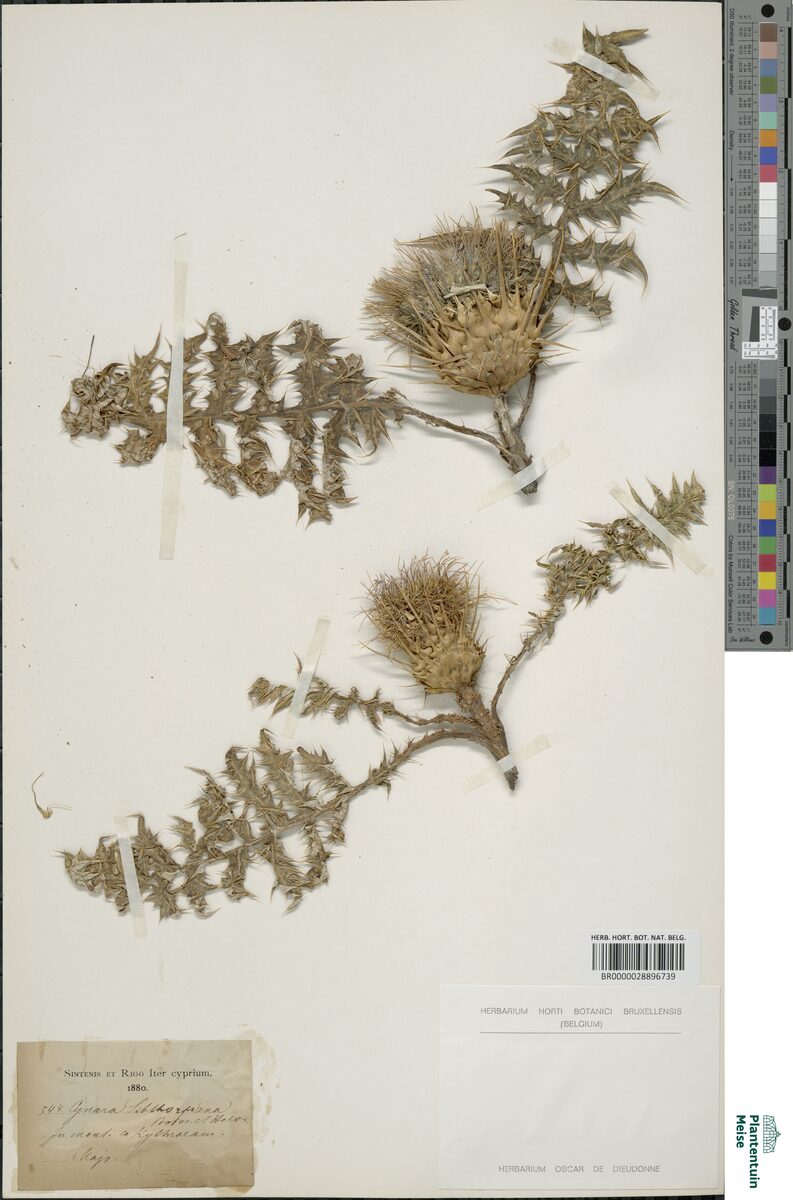
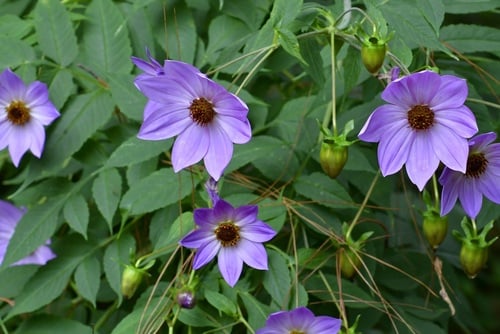
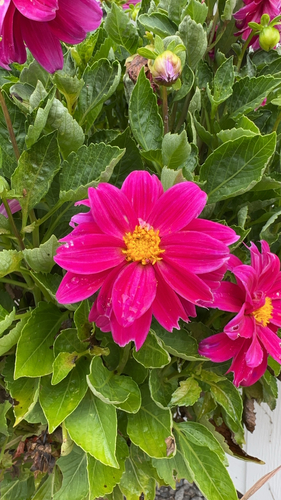
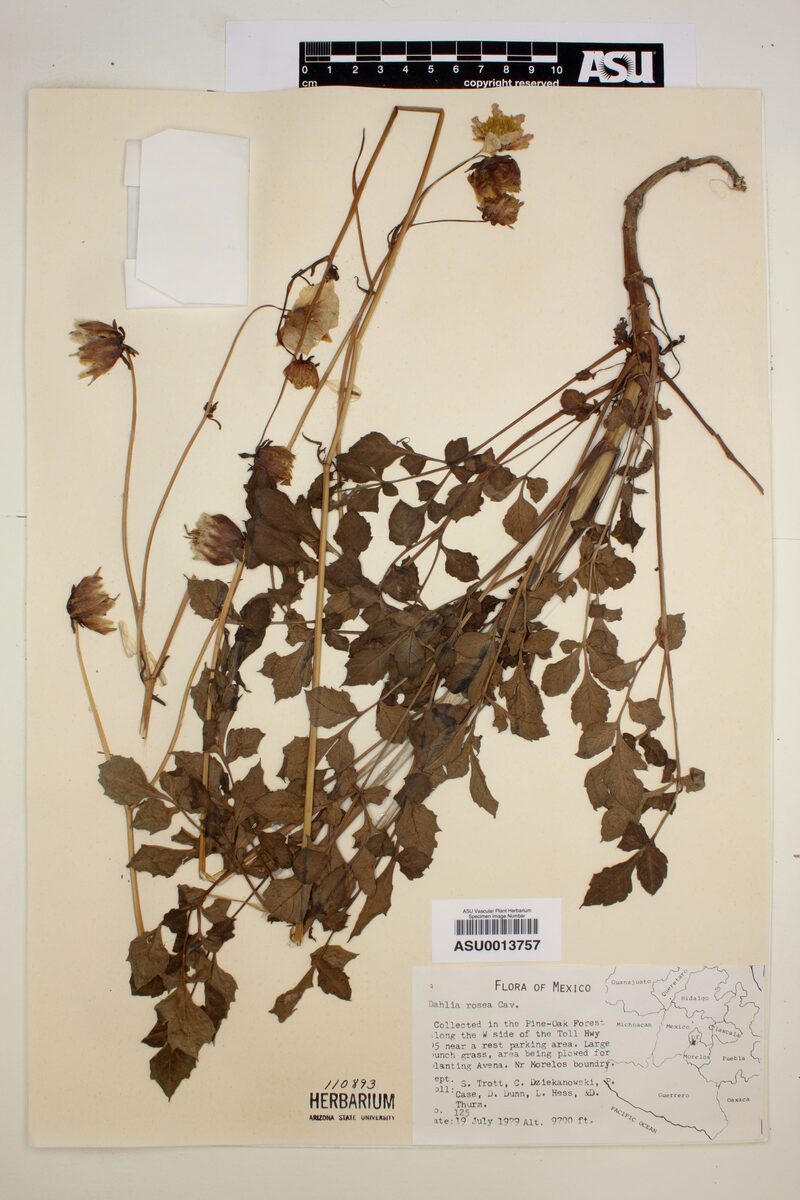
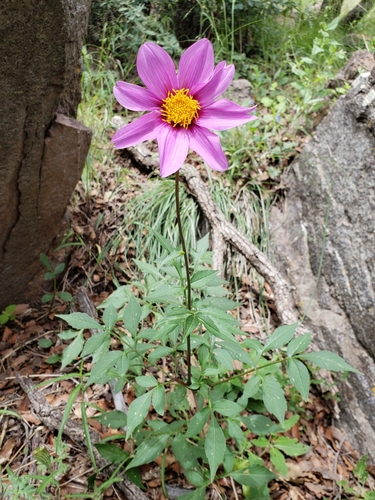
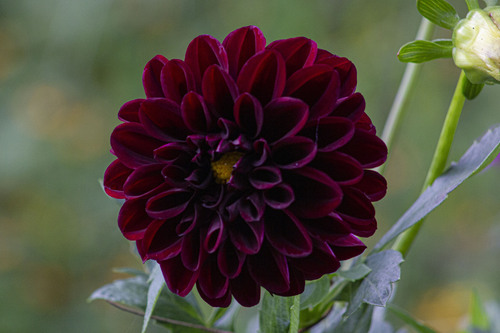
Gerbera ambigua
(Cass.) Sch.Bip.
iNaturalist· cc-by-nc
(c) Errol Douwes, some rights reserved (CC BY-NC), uploaded by Errol Douwes
iNaturalist· cc-by-nc
(c) Kate Braun, some rights reserved (CC BY-NC), uploaded by Kate Braun
iNaturalist· cc-by-nc
(c) Kate Braun, some rights reserved (CC BY-NC), uploaded by Kate Braun
Summary
Source: WikipediaGerbera ambigua is a species of flowering plant in the section Lasiopus of genus Gerbera belonging to the basal Mutisieae tribe within the large Asteraceae (or Compositae) family. It is indigenous to Southern Africa and commonly known as the Botterblom or Griekwateebossie in Afrikaans. It was first described by Carl Heinrich "Bipontinus" Schultz in Flora Journal in 1844.
Description
A herb without a stem. It grows 35 cm tall. It grows from a thickened rootstock. The leaves are parallel to the ground in a ring near the base and 5-10 cm long by 2-4 cm wide. The flowers are yellow, pink or red. .
Edible Uses
The leaves are eaten as a snack and also cooked as a vegetable and used for flavouring.
Traditional Uses
The leaves are eaten as a snack and also cooked as a vegetable and used f or flavouring.
This uses section is brief — help expand it
Distribution
It is a tropical plant. It grows between 1,100-1,920 m above sea level in savanna regions.
Where It Grows
Africa, Angola, Malawi, Mozambique, South Africa, Southern Africa, Tanzania, Zambia, Zimbabwe,
Synonyms
Also Known As
Botterblom, Itolandau
References (3)
- Magwede, K., van Wyk, B.-E., & van Wyk, A. E., 2019, An inventory of Vhavenḓa useful plants. South African Journal of Botany 122 (2019) 57–89
- Ruiters-Welcome, A. K., 2019, Food plants of southern Africa. Ph.D. thesis. Univ. of Johannesburg p 34
- Welcome, A. K. & Van Wyk, B.-E., 2019, An inventory and analysis of the food plants of southern Africa. South African Journal of Botany 122 (2019) 136–179