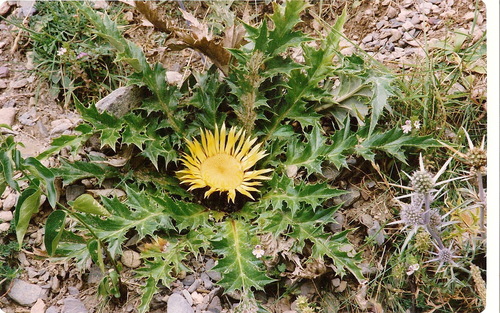
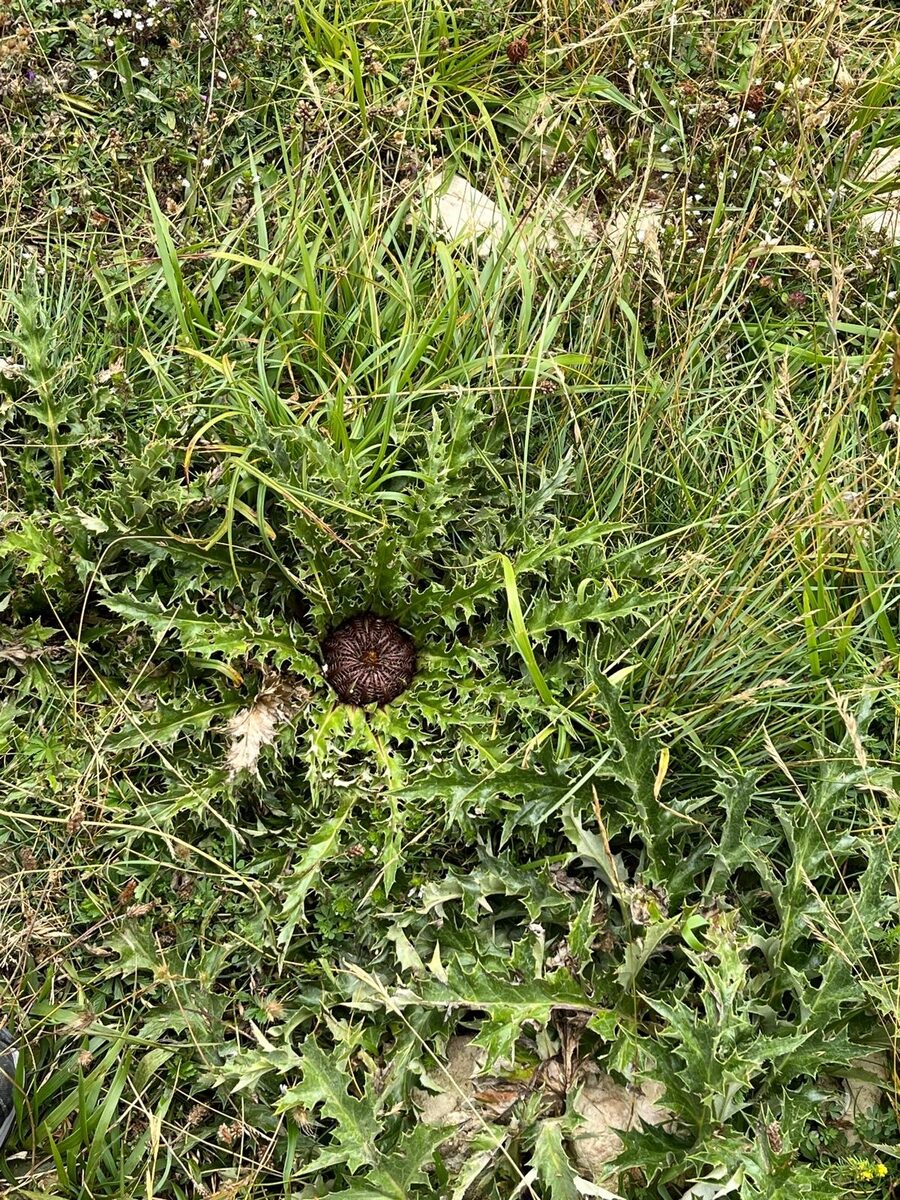
Geropogon hybridus
(L.) Sch.Bip.
Old man's beard
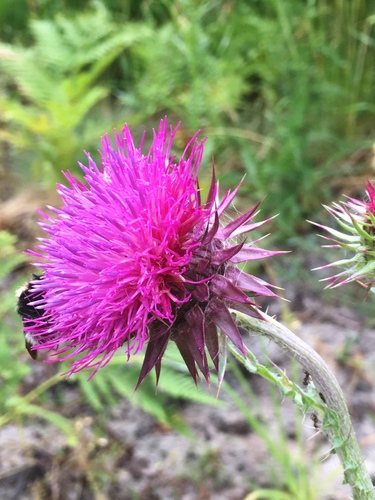
iNaturalist· cc-by-nc
(c) Uriah Resheff, some rights reserved (CC BY-NC), uploaded by Uriah Resheff
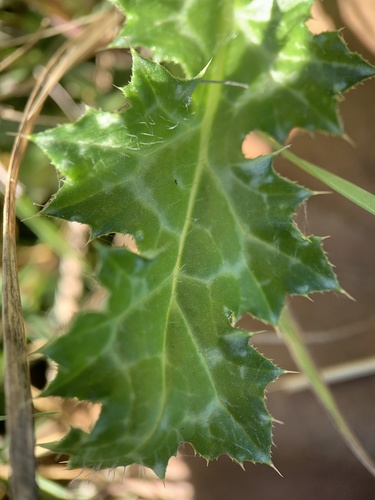
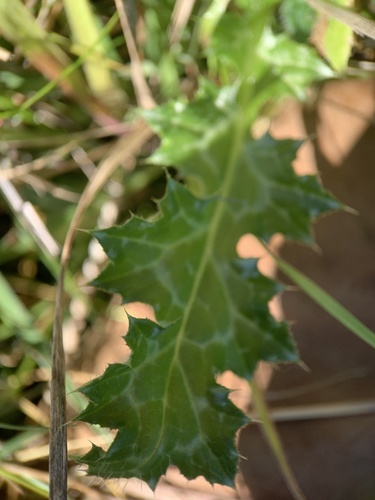
iNaturalist· cc-by-nc
(c) Сергей, some rights reserved (CC BY-NC)
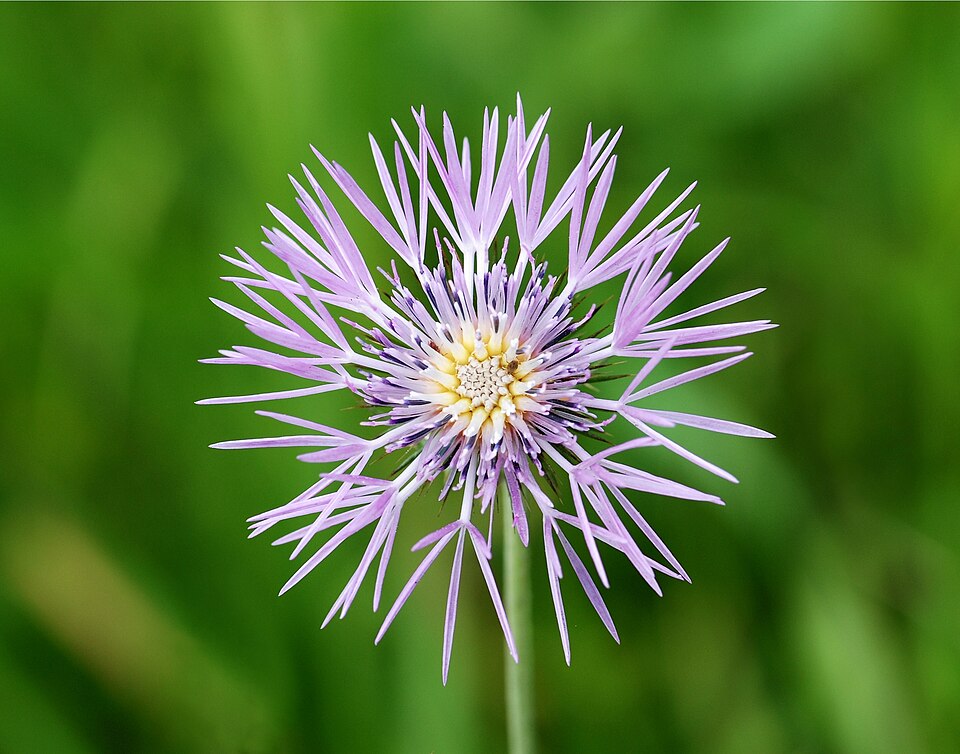
iNaturalist· cc-by
(c) Katerina Kalogerini, some rights reserved (CC BY)
Description
A Mediterranean herb in the daisy family (Asteraceae).
This description is brief — help expand it
Edible Uses
The whole plant, including the leaves, is eaten raw.
Traditional Uses
The whole plant is eaten raw.
This uses section is brief — help expand it
Distribution
It is a Mediterranean climate plant.
Where It Grows
Africa, Europe, Jordan, Mediterranean, Middle East, Morocco, North Africa, Turkey, Türkiye,
Nutrition
| Part | Moisture | kJ | kcal | Protein | Vit A | Vit C | Iron | Zinc |
|---|---|---|---|---|---|---|---|---|
| Leaves | 75.1 | 354 | 85 | 3.2 | — | — | — | — |
Synonyms
Geropogon australe Spreng.Geropogon glaber L.Geropogon glabrum L.
Geropogon hirsutum L.Tragopogon geropogon RouyTragopogon glaber (L.) DC.Tragopogon hirsutus (L.) HillTragopogon hybridus L.
Also Known As
Danab al-faras, Dhunaibah, Laatrous, Lahyat, Lguiz, Talma, Teta de vaca
References (5)
- Al-Qura'n, S. A., 2010, Ethnobotanical and Ecological Studies of Wild Edible Plants in Jordan. Libyan Agriculture Research Center Journal International 1(4):231-243
- Ertug, F, Yenen Bitkiler. Resimli Türkiye Florası -I- Flora of Turkey - Ethnobotany supplement
- Food Composition Tables for the Near East. http://www/fao.org/docrep No. 374 (As Tragopogon hybridus)
- Nassif, F., & Tanji, A., 2013, Gathered food plants in Morocco: The long forgotten species in Ethnobotanical Research. Life Science Leaflets 3:17-54
- Tardio, J., et al, 2006, Ethnobotanical review of wild edible plants in Spain. Botanical J. Linnean Soc. 152, 27-71 (As Tragopogon hybridus)