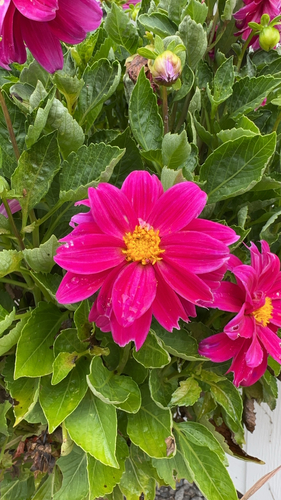
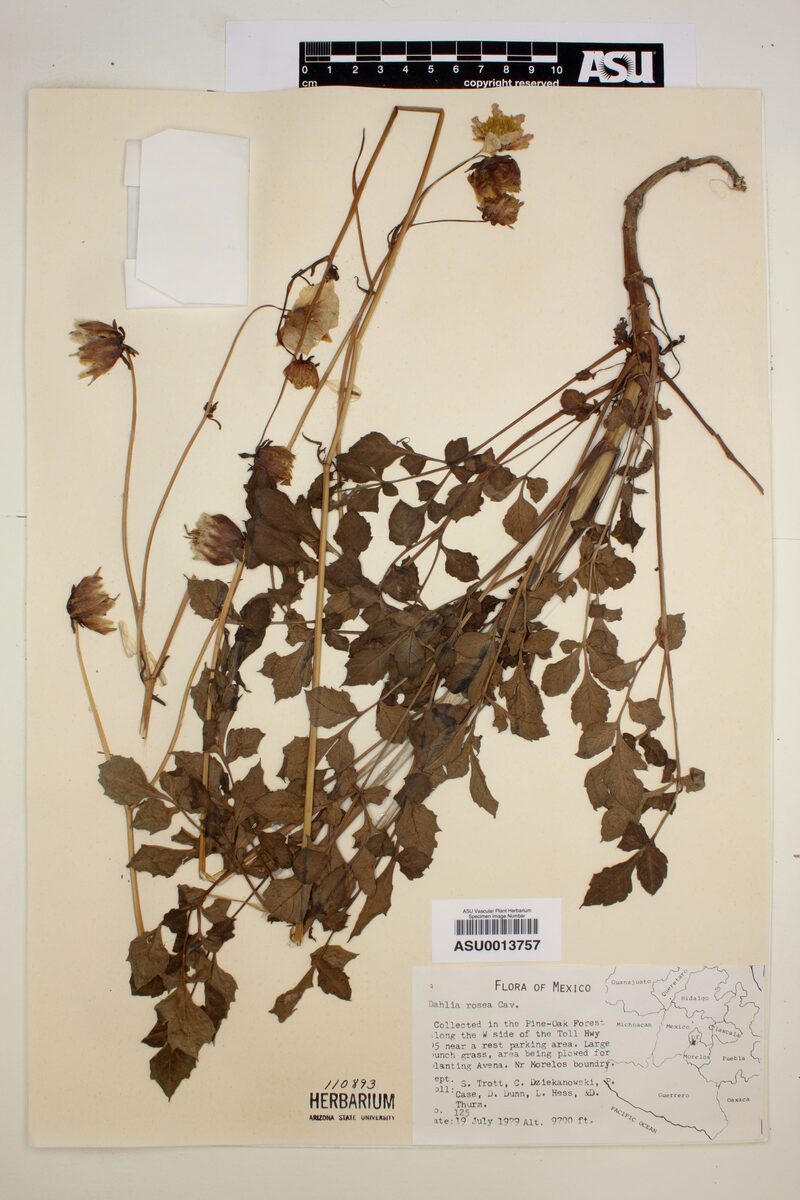
Glossocardia bosvallia
(L. f.) DC.
Patthar suva
iNaturalist· cc-by-nc
(c) K S Gopi Sundar, some rights reserved (CC BY-NC), uploaded by K S Gopi Sundar
iNaturalist· cc0
no rights reserved, uploaded by S.MORE
iNaturalist· cc0
no rights reserved, uploaded by S.MORE
Description
A small herb. It grows 10-20 cm tall. It is branched from the base and the branches have grooves. The leaves are alternate. The leaves are 1.5 cm long and have small segments along the stalk. The flowers are yellow and in heads in the axils of leaves. The seed pods are 6 mm long. They are brown and hairy.
Edible Uses
The leaves are eaten as a vegetable.
Traditional Uses
The leaves are eaten as a vegetable.
This uses section is brief — help expand it
Distribution
A tropical plant.
Where It Grows
Asia, India, Myanmar, SE Asia,
Other Information
A famine food.
Synonyms
Also Known As
Charak, Ghattarasva, Jangli shepu, Kallu suseege, Mirg, Parapalanamu, Parpaataka, Parpata, Patharasuva, Phattarsuva, Pipada, Pithari, Seri
References (7)
- Ambasta, S.P. (Ed.), 2000, The Useful Plants of India. CSIR India. p 238
- Famine foods (As Glossocardia linearifolia)
- GAMMIE (As Glossocardia linearifolia)
- Jadhav, R., et al, 2015, Forest Foods of Northern Western Ghats: Mode of Consumption, Nutrition and Availability. Asian Agri-History Vol. 19, No. 4: 293-317
- Martin, F.W. & Ruberte, R.M., 1979, Edible Leaves of the Tropics. Antillian College Press, Mayaguez, Puerto Rico. p 185
Show all 7 references Hide references
- Singh, H.B., Arora R.K.,1978, Wild edible Plants of India. Indian Council of Agricultural Research, New Delhi. p 39
- R. Wight, Contr. bot. India 19. 1834