Gnetum nodiflorum
Brongn.
Tauwa nut
iNaturalist· cc-by-nc
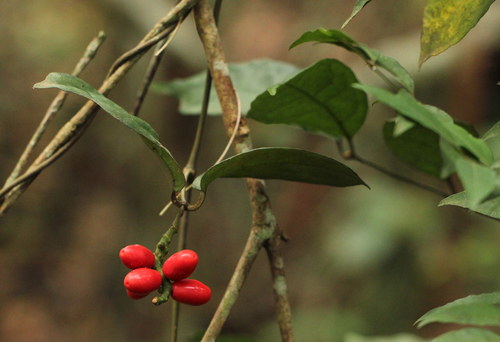
(c) Hervé GALLIFFET, some rights reserved (CC BY-NC)
iNaturalist· cc-by-nc
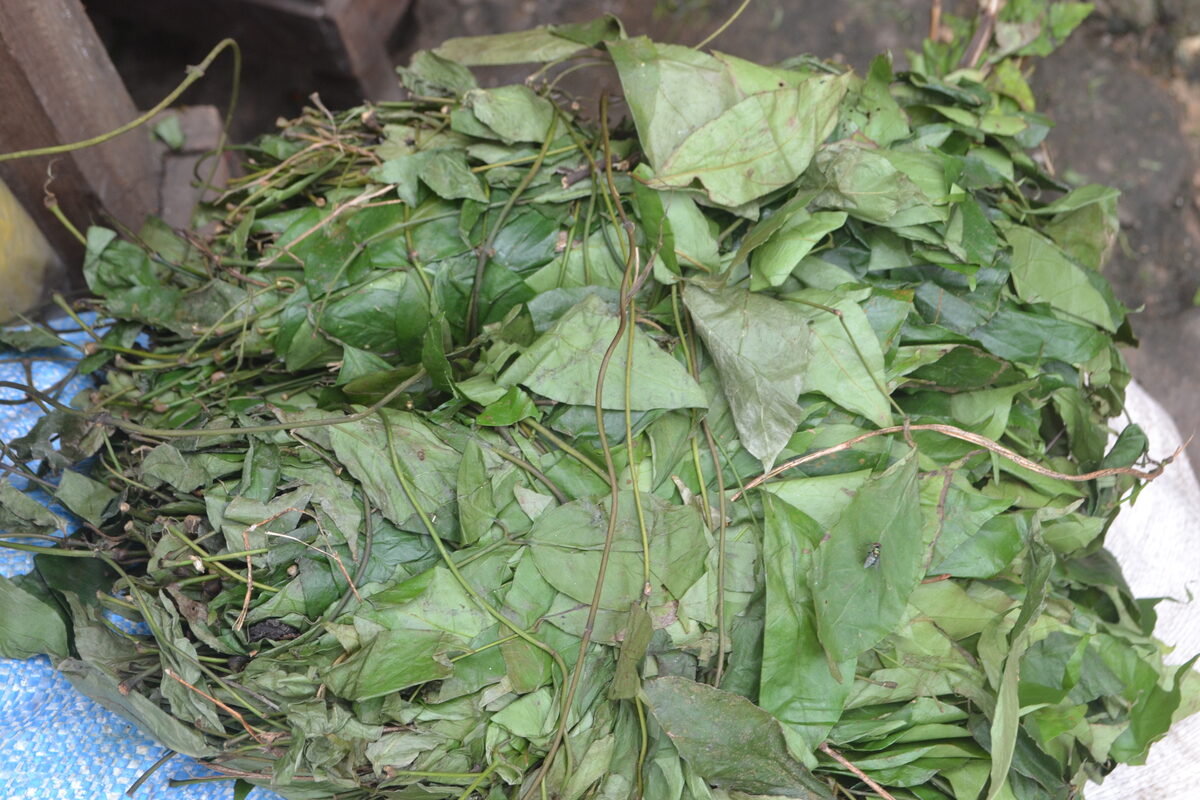
(c) Hervé GALLIFFET, some rights reserved (CC BY-NC)
iNaturalist· cc-by-nc
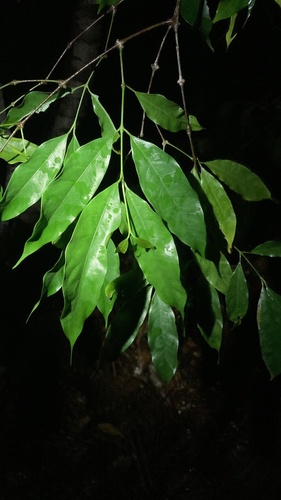
(c) Hervé GALLIFFET, some rights reserved (CC BY-NC)
Description
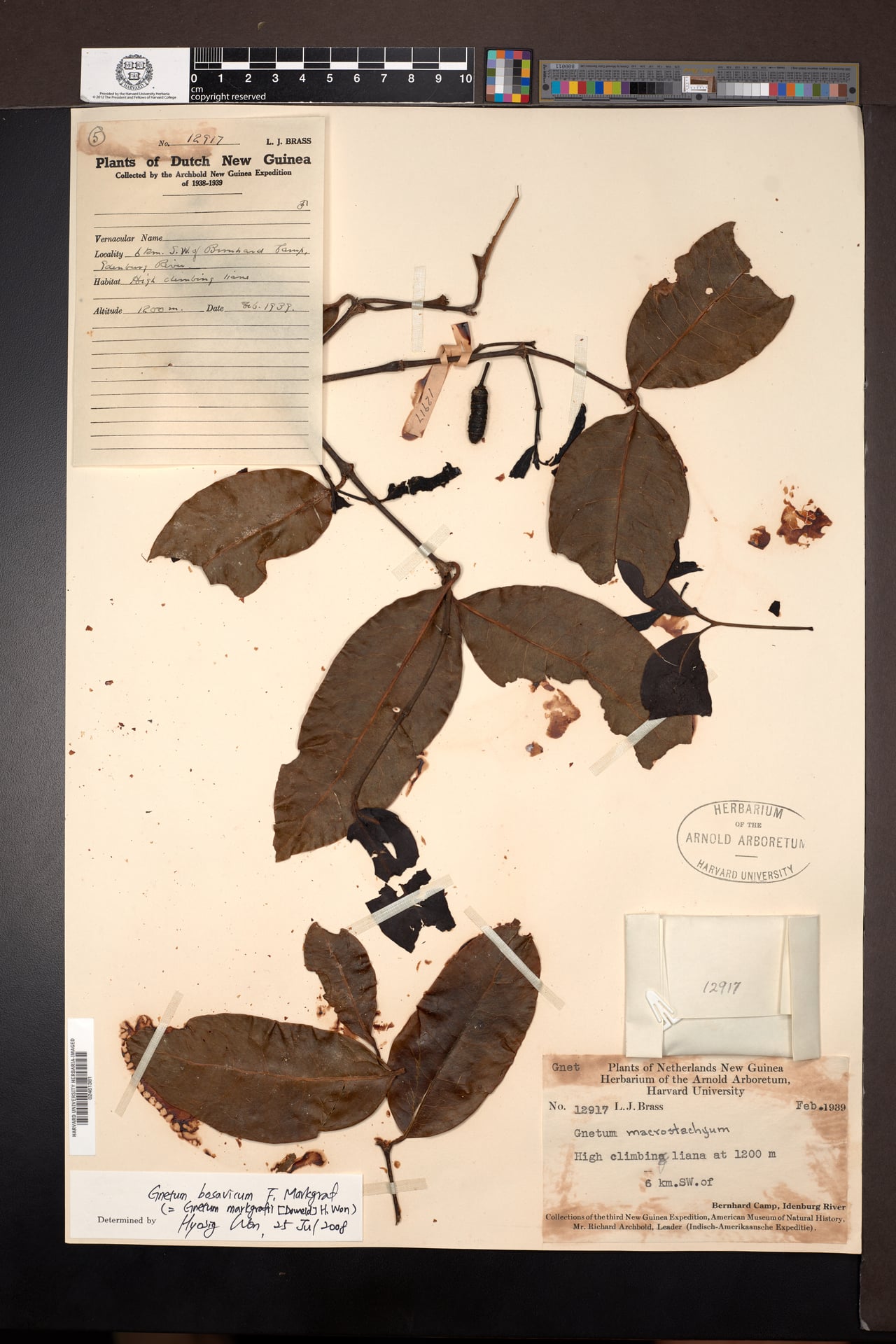
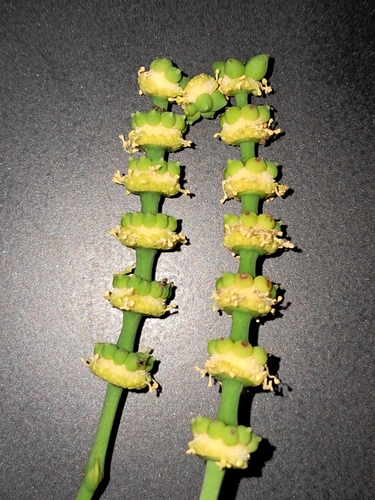
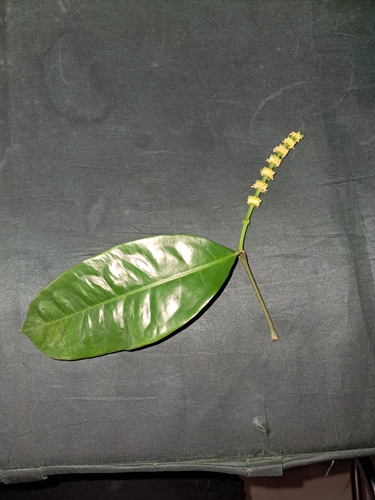
A liana or vine. It climbs on trees and shrubs. The leaves are opposite. The plants are separately male and female. The flowers are arranged in tight spirals or spikes. The fruit is broadly oblong and 3.5 cm long by 2 cm wide. They are green and turn reddish-brown. The base is wedge shaped.
Edible Uses
The seeds are eaten raw after removing the seed coat or roasted. They can be ground into flour, dried in the sun, and fried into crackers.
Traditional Uses
The seeds are eaten raw after the seed coat is removed. They are also roasted. They can be ground into flour and then dried in the sun and fried into a cracker.
Medicinal Uses
The liquid originating from the cut stem is used as a wash for treating weakness, 'skinniness' and loss of appetite. A decoction of the crushed plant is used for treating headache. The nut is used as an abortifacient. A gummy decoction of the bark is employed externally as hot as possible to reduce swellings caused by muscular injury or torn tendons. Persistent rumours maintain that the leaves are sometimes added to the hallucinogenic drink caapi (Banisteriopsis caapi), but this information has not been confirmed.
Distribution
A tropical plant. It grows in light forest and savanna.
Where It Grows
Amazon, Bolivia, Brazil, Colombia, Ecuador, French Guiana, Guianas, Guyana, Peru*, South America, Suriname, Venezuela,
Cultivation
Species in this genus usually prefer a position in light to deep shade, growing best in a moist but well-drained, humus-rich soil. A dioecious species, both male and female forms need to be grown if fruit and seed are required.
Notes
There are about 28 Gnetum species.
Synonyms
Also Known As
Bala huayo, Curucuda, Hava, Itua, Ko-sjiton, Paujil ruro, Tauwa
References (10)
- Cavalcante, P.B., 1991, Frutas comestíveis da Amazônia. Edições CEJUP.
- Kermath, B. M., et al, 2014, Food Plants in the Americas: A survey of the domesticated, cultivated and wild plants used for Human food in North, Central and South America and the Caribbean. On line draft. p 394
- Kew Plants of the World On line
- Martin, F. W., et al, 1987, Perennial Edible Fruits of the Tropics. USDA Handbook 642 p 95
- Reis, S. V. and Lipp, F. L., 1982, New Plant Sources for Drugs and Foods from the New York Botanical Garden herbarium. Harvard. p 7
Show all 10 references Hide references
- Smith, N., et al, 2007, Amazon River Fruits. Flavors for Conservation. Missouri Botanical Gardens Press. p 134
- van Andel, T., 2000, Useful plants of Guyana. Non-Timber Forest Products of the North-West District of Guyana Part 2. p 364
- van Roosmalen, M.G.M., 1985, Fruits of the Guianan Flora. Utrecht Univ. & Wageningen Univ. p 132
- Vasquez, R. and Gentry, A. H., 1989, Use and Misuse of Forest-harvested Fruits in the Iquitos Area. Conservation Biology 3(4): 350f
- Wickens, G.E., 1995, Edible Nuts. FAO Non-wood forest products. FAO, Rome. p175