Croton trinitatis
Millsp.
iNaturalist· cc-by-nc
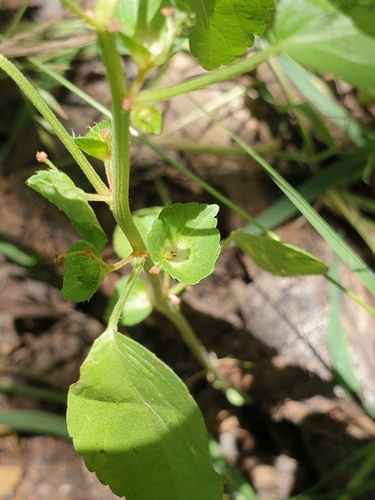
(c) curreabee, some rights reserved (CC BY-NC), uploaded by curreabee
iNaturalist· cc-by-nc
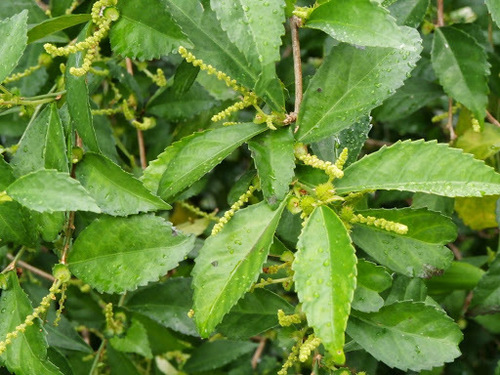
(c) Miguel Diaz Anaya, some rights reserved (CC BY-NC)
Description
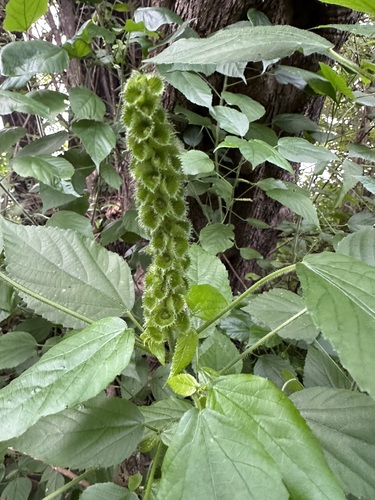
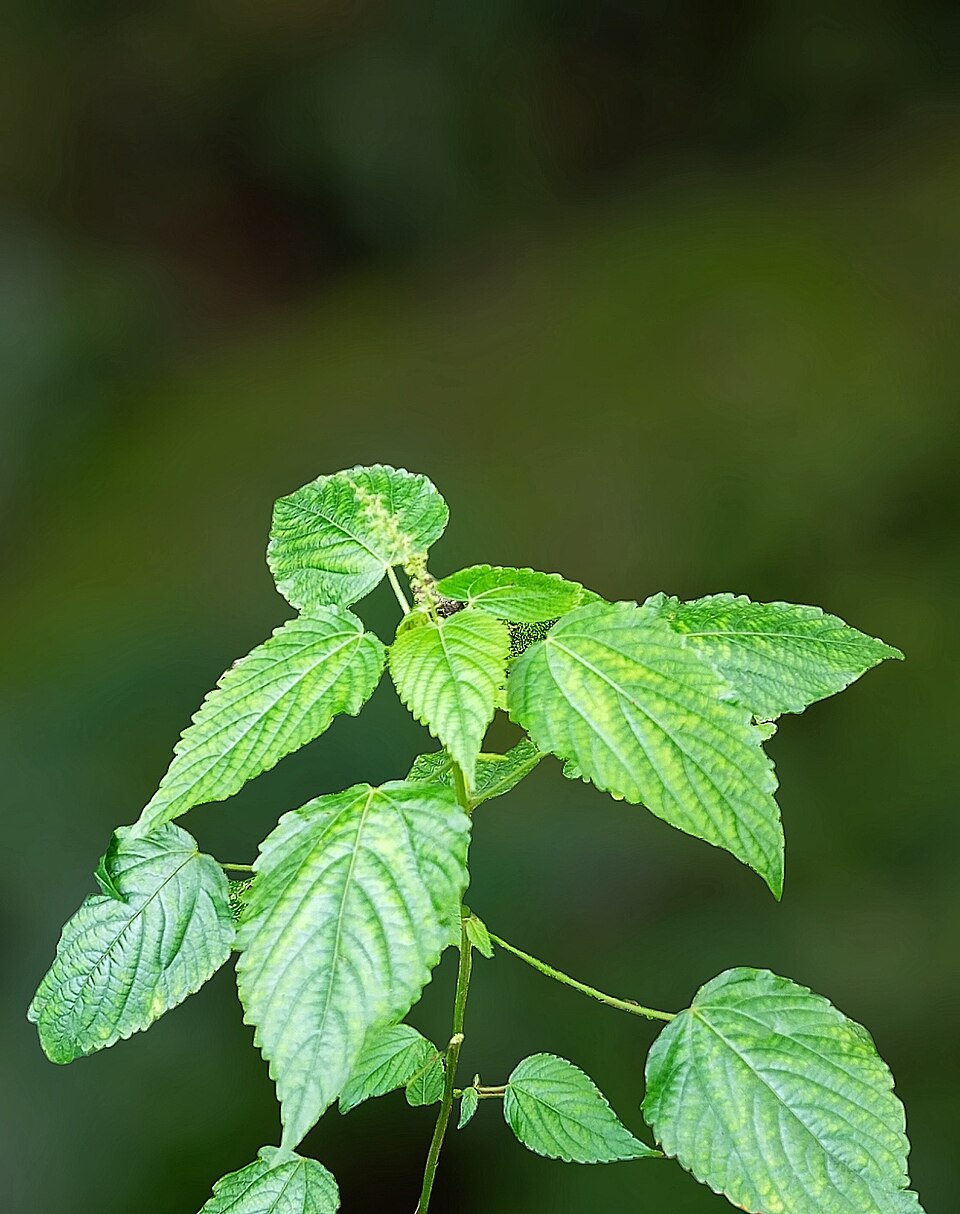
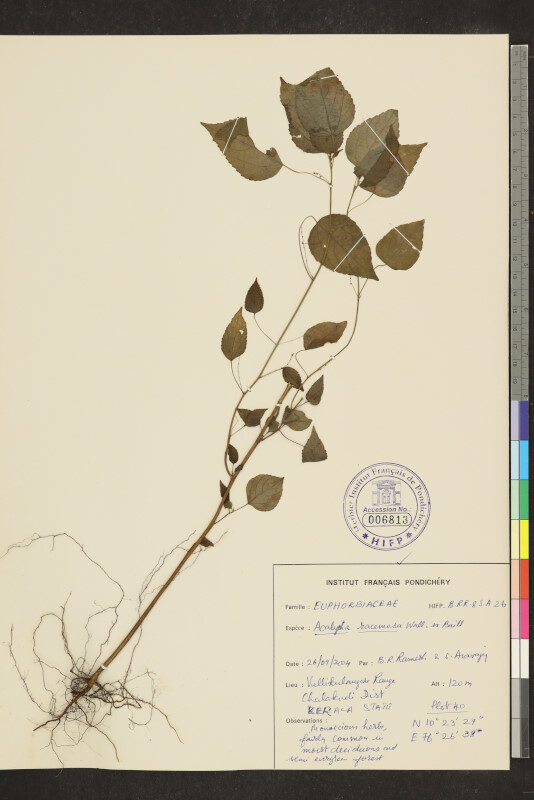
An annual herb. It grows 20-80 cm tall. It has a few branches. The stems are slender and hairy. The leaves are oval and 2-5 cm long by 1-4 cm wide.
Edible Uses
The stems and leaves are edible.
Medicinal Uses
An infusion of the whole plant is used in the treatment of colds, fever, abdominal pain, and for an abortifacient. An infusion of the leaves is taken for cleansing the blood. The plant has shown antibacterial, antiviral and antifungal activity.
Distribution
A tropical plant.
Where It Grows
Brazil, Central America, Costa Rica, Guiana, Guianas, Guyana, Nicaragua, Panama, South America, Suriname, Venezuela,
Cultivation
Most Croton species are relatively indifferent to their habitat and can grow on a wide range of soils in both disturbed and undisturbed vegetation. The plant is often a weed of cultivated ground within its native range.
Notes
There are about 750 Croton species.
Synonyms
Also Known As
Croto, Velame
References (1)
- Omawale, 1973, Guyana's edible plants. Guyana University, Georgetown p 76