Suregada zanzibariensis
Baill.
Zanzibar suregada, Woodland suregada
iNaturalist· cc-by-nc
(c) frasergear, some rights reserved (CC BY-NC), uploaded by frasergear
iNaturalist· cc-by-nc
(c) Bart Wursten, some rights reserved (CC BY-NC)
iNaturalist· cc-by-nc
(c) Bart Wursten, some rights reserved (CC BY-NC)
Description
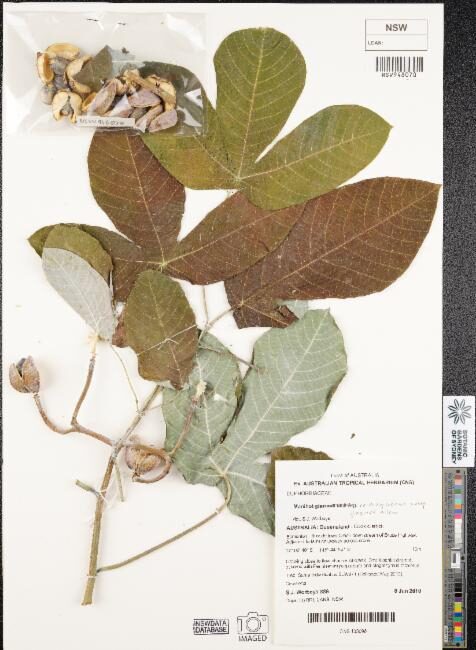
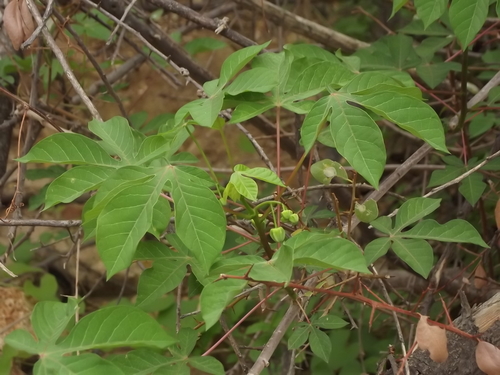
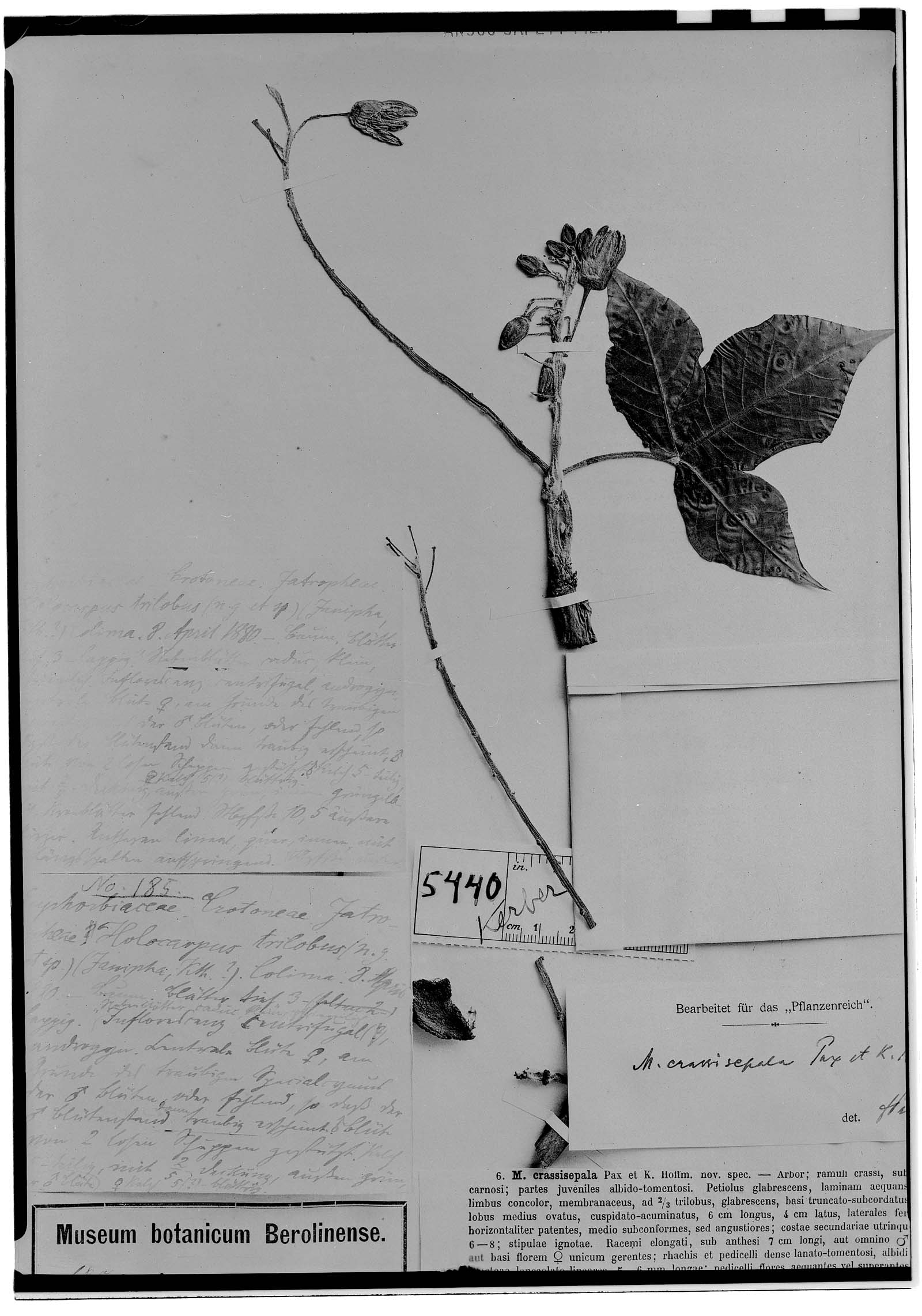
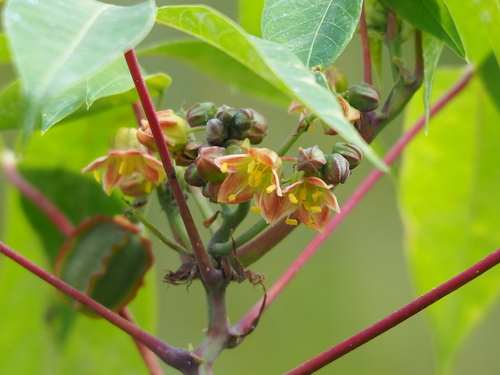
A shrub or small tree. It grows up to 4.5 m tall. The leaves are oblong and leathery. The tip has a blunt point and they narrow to the base. They are about 4-9 cm long and 2.5-5 cm wide. There are widely spaced teeth on the edge of the leaf. The midrib is raised under the leaf and there are 4-6 pairs of veins that loop along the leaf edge. The upper surface of the leaf is dark green and the lower surface is lighter. The leaves are on short stalks. The flowers are small and cream coloured. They are in small clusters opposite the leaves. The fruit are small and round. They have 3 lobes. They are 7 mm across. The juice of the fruit is edible.
Edible Uses
The juice of the fruit is eaten.
Traditional Uses
The juice of the fruit is eaten.
This uses section is brief — help expand it
Medicinal Uses
A root and stem bark extract is drunk to cure ankylostomiasis, a disease caused by parasitic hookworms. The roots are diuretic and purgative. An extract is drunk as a treatment for a range of complaints, including gonorrhoea, stomach-ache, schistosomiasis, chest pain, hernia, pneumonia, oedema and chickenpox. The roots are chewed or an extract is drunk to treat snakebites. The use of root extracts in the treatment of diabetes is aimed at symptoms such as bacterial and fungal infections, rather than the diabetes itself. The powdered leaves, mixed with water, are applied externally as a treatment for skin infections, and is taken in a tea or porridge when treating poliomyelitis. The pulped leaves are taken in porridge as a treatment for dysentery and to expel worms. The leaves contain alkaloids, flavonoids, saponins, steroids and tannins. A leaf extract showed significant activity against chloroquine resistant and sensitive strains of the malaria parasite Plasmodium falciparum. A leaf extract showed antifungal activity against Candida albicans in vitro.
Distribution
A tropical plant. It grows on sandy soils.
Where It Grows
Africa, East Africa, Kenya, Madagascar, Mozambique, Somalia, South Africa, Southern Africa, Tanzania, Zimbabwe,
Cultivation
A dioecious species, both male and female forms need to be grown if fruit and seed are required.
Other Uses
The wood is hard. It is used for building poles, tool handles, spoons and withies. The wood is used for fuel. The tree is used for soil conservation near the sea.
Notes
There are about 40 Suregada species. They are tropical.
Synonyms
Also Known As
Cinzamachuere, Djlamunti, Mdimu msitu
References (7)
- East African Herbarium records, 1981,
- Mutie, F. M., et al, 2023, Important Medicinal and Food Taxa (Orders and Families) in Kenya, Based on Three Quantitative Approaches. Plants 2023, 12, 1145
- Palgrave, K.C., 1996, Trees of Southern Africa. Struik Publishers. p 434
- Palmer, E and Pitman, N., 1972, Trees of Southern Africa. Vol. 2. A.A. Balkema, Cape Town p 1154
- Peters, C. R., O'Brien, E. M., and Drummond, R.B., 1992, Edible Wild plants of Sub-saharan Africa. Kew. p 112
Show all 7 references Hide references
- Walsh, M., 2009, The Use of Wild and Cultivated Plants as famine Foods on Pemba Island, Zanzibar. Études océan Indien. 42-43
- World Checklist of Useful Plant Species 2020. Royal Botanic Gardens, Kew