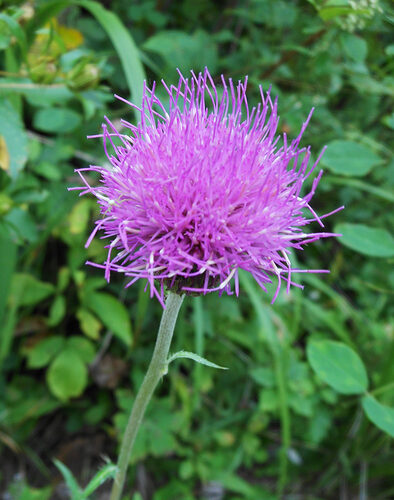
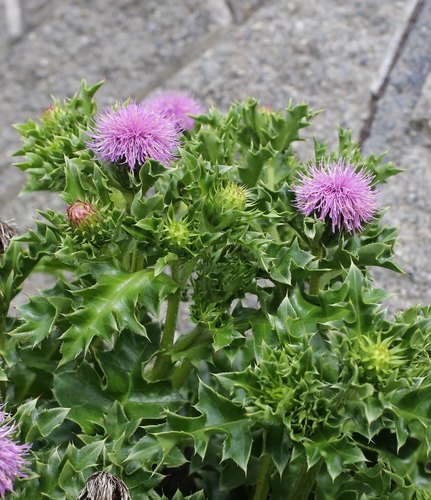
Youngia japonica
(L.) DC.
Oriental False Hawk's-beard
iNaturalist· cc-by-nc
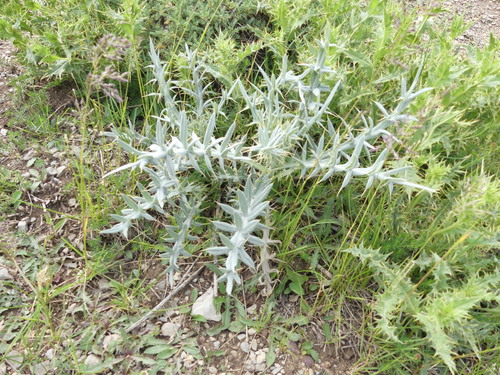
(c) Tom Austin, some rights reserved (CC BY-NC), uploaded by Tom Austin
iNaturalist· cc-by-nc
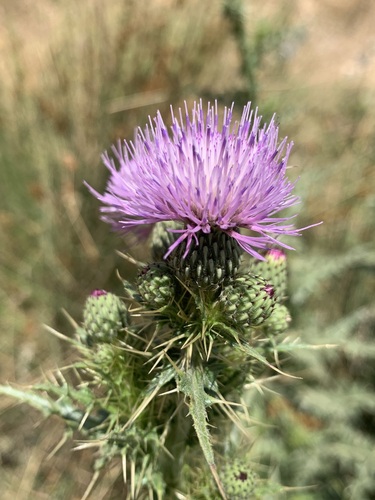
(c) Yannick D, some rights reserved (CC BY-NC)
iNaturalist· cc-by-nc
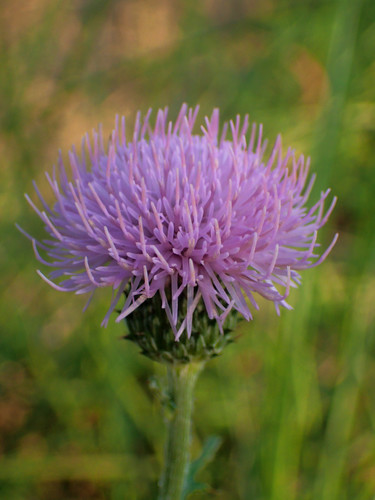
(c) Yannick D, some rights reserved (CC BY-NC)
Summary
Source: WikipediaYoungia japonica, commonly called Oriental false hawksbeard, is a species of flowering plant in the family Asteraceae. Native to eastern Asia, it is now found as a weed nearly worldwide.
Description
An erect annual herb. It grows to 60 cm high. The leaves normally form a rosette or ring near the base. They are 5-10 cm long. Leaves on the stem are smaller. The sap is white and milky. The flowers occur in heads of about 20 flowers on an almost leafless stalk. The flowers are yellow. The fruit is round in cross section and flat at the top.
Edible Uses
Young leaves and the young plant as a whole can be eaten raw or cooked.
Traditional Uses
The young plants before flowering are used as a potherb. The stems and leaves are eaten.
This uses section is brief — help expand it
Medicinal Uses
The plant is antitussive and febrifuge. It is also used in the treatment of boils and snakebites.
Distribution
A tropical plant. In Papua New Guinea it occurs from 1,000 to 3,000 m altitude. In Nepal it grows between 230-2900 m altitude. In Sichuan and Yunnan.
Where It Grows
American Samoa, Argentina, Asia, Australia, Bahamas, Bhutan, Caribbean, China, Cuba, Dominica, Dominican Republic, Fiji, Haiti, Hawaii, Himalayas, India, Indochina, Japan, Korea, Mexico, Myanmar, Nepal, North America, Northeastern India, Pacific, Papua New Guinea, PNG, Philippines, SE Asia, South America, Sri Lanka, Taiwan, Tibet, USA, Vietnam, West Indies,
Cultivation
Plants are grown from seeds.
Propagation
Sow seed in middle to late spring directly in situ. If seed is limited, sow in a cold frame in April and plant out in late spring.
Other Uses
None known.
Other Information
It is sold in markets.
Nutrition
| Part | Moisture | kJ | kcal | Protein | Vit A | Vit C | Iron | Zinc |
|---|---|---|---|---|---|---|---|---|
| Leaves | 90.1 | 55 | 13 | 2.2 | — | 50 | — | — |
Synonyms
Also Known As
Chaulane, Dudhe, Japanese hawkweed, Pporibaengi, Rungdum, Rupjup
References (22)
- Borrell, O.W., 1989, An Annotated Checklist of the Flora of Kairiru Island, New Guinea. Marcellin College, Victoria Australia. p 64
- Diaz-Betancourt, M., et al, 1999, Weeds as a future source for human consumption. Rev. Biol. Trop. 47(3):329-338
- Fl. Hongk. 194. 1861 (As Crepis japonica)
- Henty, E.E., & Pritchard, G.S., 1973, Weeds of New Guinea and their control. Botany Bulletin No 7, Division of Botany, Lae, PNG. p 91
- Hu, Shiu-ying, 2005, Food Plants of China. The Chinese University Press. p 752
Show all 22 references Hide references
- Hwang, H., et al, 2013, A Study on the Flora of 15 Islands in the Western Sea of Jeollanamdo Province, Korea. Journal of Asia-Pacific Biodiversity Vol. 6, No. 2 281-310
- Hwang, HS, et al, 2014, Distribution characteristics of plant in the Ungseokbong Mountain, Gyeongsangnam-do, Korea. Journal of Asia-Pacific Biodiversity. 7(2014) e164-e178
- Jackes, B.R., 2001, Plants of the Tropics. Rainforest to Heath. An Identification Guide. James Cook University. p 44
- Joshi, N. & Siwakoti, M., 2012, Wild Vegetables Used by Local Community of Makawanpur District and Their Contribution to Food Security and Income Generation. Nepal Journal of Science and Technology Vol. 13, No. 1 (2012) 59-66
- Kim, H. & Song, M., 2013, Ethnobotanical analysis for traditional knowledge of wild edible plants in North Jeolla Province (Korea). Genetic. Resour. Crop Evol. (2013) 60:1571-1585
- Manandhar, N.P., 2002, Plants and People of Nepal. Timber Press. Portland, Oregon. p 483
- Mot So Rau Dai an Duoc O Vietnam. Wild edible Vegetables. Ha Noi 1994, p 100
- Peekel, P.G., 1984, (Translation E.E.Henty), Flora of the Bismarck Archipelago for Naturalists, Division of Botany, Lae, PNG. p 567, 566
- Plants for a Future database, The Field, Penpol, Lostwithiel, Cornwall, PL22 0NG, UK. http://www.scs.leeds.ac.uk/pfaf/
- Plants of Haiti Smithsonian Institute http://botany.si.edu
- Prodr. 7:194. 1838
- READ, (As Crepis japonica)
- Smith, A.C., 1991, Flora Vitiensis Nova, Lawaii, Kuai, Hawaii, Volume 5 p 267
- Srivastava, R. C., 2009, Traditional knowledge of Adi tribe of Arunachal Pradesh on plants. Indian Journal of Traditional Knowledge. 8(2): 146-153 (As Crepis japonica)
- Srivastava, R. C., 2010, Traditional knowledge of Nyishi (Daffla) tribe of Arunachal Pradesh. Indian Journal of Traditional Knowledge. 9(1):26-37 (As Crepis japonica)
- Taram, M., et al, 2018, Wild Food Plant Resources of Komkar Adi Tribe of Upper Siang District in Arunachal Pradesh, India. Bulletin of Arunachal Forest Research, Vol. 33(2), 27-35
- Wang, J. et al, 2013, A Study on the Utilization of Wild Plants for Food in Liangshan Yi Autonomous Prefecture. Plant Diversity and Resources. 35(4): 416-471