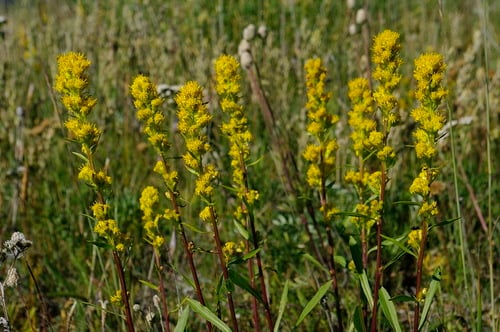
Artemisia genipi
Weber
Spiked wormwood, Black wormwood, Genipi
iNaturalist· cc-by-nc
(c) mario bianco prevot,保留部分权利(CC BY-NC), 由 mario bianco prevot 上传
iNaturalist· cc-by-nc
(c) guido_teppa,保留部分权利(CC BY-NC)
iNaturalist· cc-by-nc
(c) Lucie Bauret,保留部分权利(CC BY-NC), 由 Lucie Bauret 上传
Description
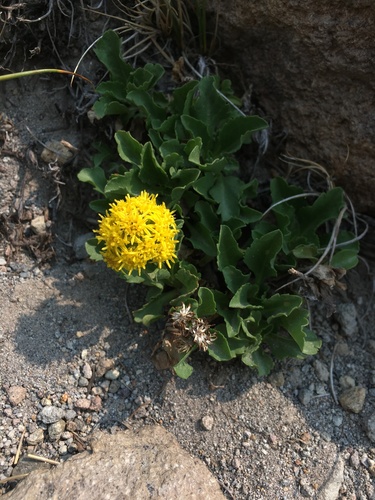
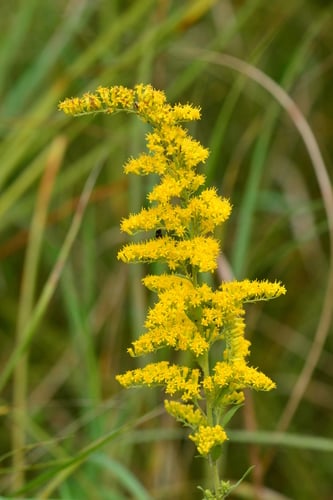
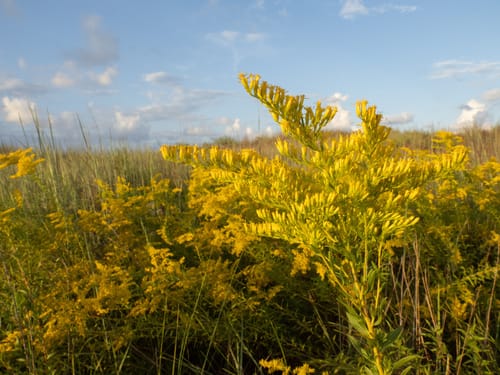
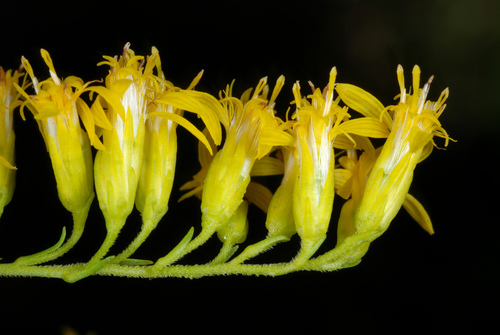
A herb. The stems are woody at the base. It grows 10-20 cm tall. It is covered with silky grey hairs. The leaves are silvery-grey and the ones at the base are divided 2 to 3 times. The flowers are in a spike. The flower heads are small and yellow.
Edible Uses
The leaves flavour absinthe water and are used to make alcoholic drinks. The flower heads are also edible.
Traditional Uses
The leaves are used to flavour water of Absinthe. They are used to make alcoholic drinks. (Caution: Alcohol is a cause of cancer)
This uses section is brief — help expand it
Known Hazards
Alcohol is a cause of cancer.
Distribution
It is a temperate to Mediterranean climate plant. It grows on scree slopes. In northern Italy is occurs between 2,000-3,000 m above sea level.
Where It Grows
Alps, Europe, Italy, Mediterranean, Switzerland,
Cultivation
Plants are grown from seeds.
Synonyms
Also Known As
Blackwart, Genepi noir
References (8)
- Abbet, C., et al, 2014, Ethnobotanical survey on wild alpine food plants in Lower and Central Valais (Switzerland). Journal of Ethnopharmacology 151 (2014) 624–634
- Brown, D., 2002, The Royal Horticultural Society encyclopedia of Herbs and their uses. DK Books. p 131
- Facciola, S., 1998, Cornucopia 2: a Source Book of Edible Plants. Kampong Publications, p 33
- Hedrick, U.P., 1919, (Ed.), Sturtevant's edible plants of the world. p 74 (As Artemisia spicata)
- Seidemann J., 2005, World Spice Plants. Economic Usage, Botany, Taxonomy. Springer. p 53
Show all 8 references Hide references
- Stechmann, Artemis. 17. 1775
- Trendafilova, A., et al, 2020, Research Advances on Health Effects of Edible Artemisia Species and Some Sesquiterpene Lactones Constituents. Foods 2021, 10, 65. p 4
- Wiersema, J. H. & Leon, B., 2013, World Economic Plants. A Standard Reference CRC Press. 2nd Ed. p 72