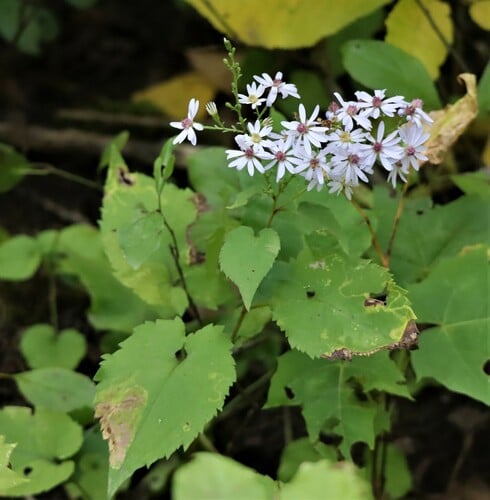
Artemisia glacialis
L.
Creeping wormwood, Glacier wormwood
iNaturalist· cc-by-nc
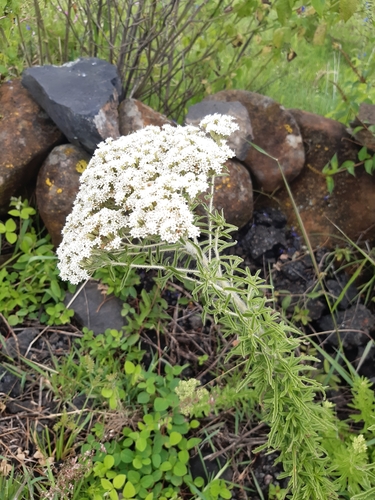
(c) Harm Alberts, some rights reserved (CC BY-NC), uploaded by Harm Alberts
iNaturalist· cc-by-nc
(c) Alexis, some rights reserved (CC BY-NC), uploaded by Alexis
iNaturalist· cc-by-sa
(c) Gabriel HM, some rights reserved (CC BY-SA)
Summary
Source: WikipediaArtemisia glacialis, the glacier wormwood, is a species of flowering plant in the aster family. Artemisia glacialis grows to approximately 18 cm (7.1 in) high, and is indigenous to the Alpine regions of France, Italy, and Switzerland.
Description
A low-growing perennial reaching 20cm tall and 30cm wide, hardy to UK zone 5. Hermaphroditic flowers are insect-pollinated. This plant thrives in light, medium, or heavy soils with good drainage and tolerates poor soil fertility. It grows in mildly acidic to alkaline conditions and requires full sun. Drought-tolerant and adaptable to both dry and moist soils.
Edible Uses
Edible Parts: Edible Uses: Condiment The herb is used as a flavouring in vermouth and liqueurs.
Traditional Uses
The leaves are used to flavour liqueurs.
This uses section is brief — help expand it
Medicinal Uses
Digestive Expectorant Sedative Stomachic Glacier wormwood has similar medicinal properties to common wormwood, A, absinthum. It is used locally where it grows wild. The whole plant is digestive, expectorant, sedative and stomachic. An infusion of the herb has a marked effect upon mountain sickness. A poultice of the plant is used as a first-aid remedy in the treatment of wounds.
Known Hazards
Artemisia glacialis might cause dermatitis or other allergic reactions.
Distribution
It is a temperate plant.
Where It Grows
Alps, Europe, France, Italy, Mediterranean, Switzerland,
Cultivation
Requires a very well-drained light or medium soil and a sunny position. Very intolerant of winter wet. Established plants are drought tolerant. Plants are longer lived, more hardy and more aromatic when they are grown in a poor dry soil. Indiscriminate collection of this plant from the wild has made it an endangered species. Members of this genus are rarely if ever troubled by browsing deer.
Propagation
Seed - surface sow from late winter to early summer in a greenhouse, making sure that the compost does not dry out. When large enough to handle, prick the seedlings out into individual pots and grow them on in the greenhouse for their first winter. Plant out in late spring or early summer. Division in spring or autumn. Basal cuttings in late spring. Harvest the young shoots when about10 - 15cm long, pot up in a lightly shaded position in a greenhouse or cold frame and plant them out when well rooted. Very easy.
Other Uses
None known Special Uses
Also Known As
Genipi des glaciers
References (7)
- Bircher, A. G. & Bircher, W. H., 2000, Encyclopedia of Fruit Trees and Edible Flowering Plants in Egypt and the Subtropics. AUC Press. p 42
- Brown, D., 2002, The Royal Horticultural Society encyclopedia of Herbs and their uses. DK Books. p 131
- Facciola, S., 1998, Cornucopia 2: a Source Book of Edible Plants. Kampong Publications, p 33
- Pieroni, A.,& Giusti, M. E., 2009, Alpine Ethnobotany in Italy: Journal of Ethnobiology and Ethnomedicine. 5:32
- Seidemann J., 2005, World Spice Plants. Economic Usage, Botany, Taxonomy. Springer. p 54
Show all 7 references Hide references
- Trendafilova, A., et al, 2020, Research Advances on Health Effects of Edible Artemisia Species and Some Sesquiterpene Lactones Constituents. Foods 2021, 10, 65. p 4
- World Checklist of Useful Plant Species 2020. Royal Botanic Gardens, Kew