Callerya atropurpurea
(Wall.) Schot.
iNaturalist· cc-by-nc
(c) Pizzas fear me, some rights reserved (CC BY-NC)
iNaturalist· cc-by-nc
(c) Pizzas fear me, some rights reserved (CC BY-NC)
iNaturalist· cc-by-nc
(c) Pizzas fear me, some rights reserved (CC BY-NC)
Description
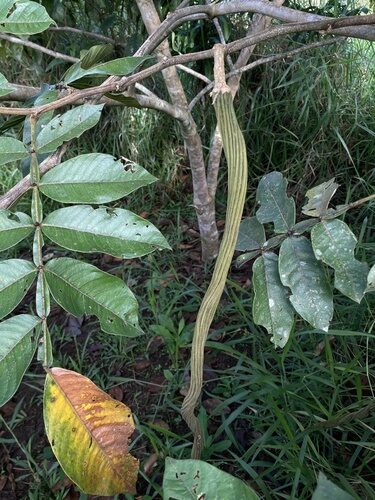
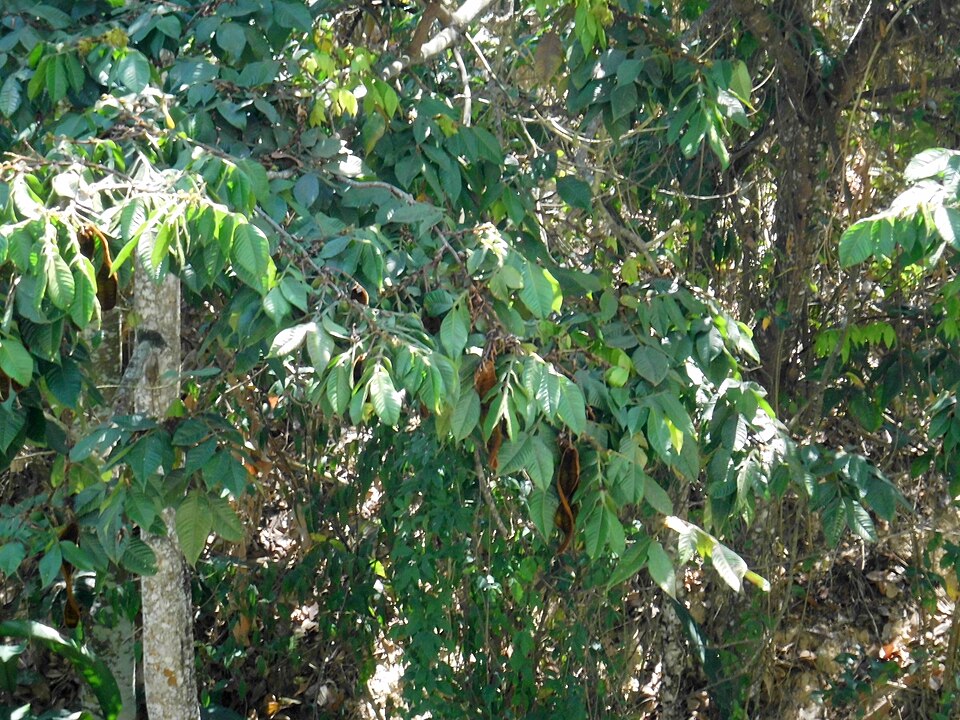
An evergreen tree. It grows 20 m tall. The bark is smooth. The leaves are compound and there are 3-5 opposite pairs of leaflets. The flowers are purple and in dense groups at the ends of branches. The fruit is a pod. There are 1-3 seeds. The seeds are 5 cm long.
Edible Uses
The tender leaves are eaten fresh and used in chutneys. The fruit pods are steamed and eaten.
Traditional Uses
The leaves are used in chutneys. The tender leaves are eaten. The fruit are steamed and eaten.
This uses section is brief — help expand it
Known Hazards
The twigs and roots are used locally to stupefy fish. Millettia and related species in general contain a range of toxic substances, especially isoflavones. Rotenone is probably the best known of these isoflavones and it is found especially in the seeds and roots of the plants. Rotenone is often used locally as a fish poison - the rotenone kills or stuns the fish making them easy to catch, but the fish remain perfectly safe for warm-blooded creatures to eat. Rotenone is classified by the World Health Organization as moderately hazardous. It is mildly toxic to humans and other mammals, but extremely toxic to many insects (hence its use as an insecticide) and also to aquatic life, including fish. This higher toxicity in fish and insects is because the lipophilic rotenone is easily taken up through the gills or trachea, but not as easily through the skin or the gastrointestinal tract. The lowest lethal dose for a child is 143 mg/kg, but human deaths from rotenone poisoning are rare because its irritating action causes vomiting. Deliberate ingestion of rotenone, however, can be fatal. The compound decomposes when exposed to sunlight and usually has an activity of six days in the environment. Millettia species often also contain other potentially toxic compounds, especially saponins and alkaloids.
Distribution
A tropical plant. It grows in evergreen forest.
Where It Grows
Asia, Indochina, Indonesia, Laos, Malaysia, Myanmar, Philippines, SE Asia, Thailand, Vietnam,
Cultivation
Grows on poor soils in the wild. Found wild on clay and limestone soils. The tree is slow to establish, but then grows quite rapidly. Although many species within the family Fabaceae have a symbiotic relationship with soil bacteria, this species is said to be devoid of such a relationship and therefore does not fix atmospheric nitrogen.
Propagation
Pre-soak the seed for 12 hours in warm water and sow in a container in a lightly shaded position. When they are large enough to handle, prick the seedlings out into individual pots and grow them on until large enough to plant out. Layering in spring. Cuttings of half-ripe wood with the leaves removed.
Other Uses
The twigs and roots contain rotenone, the active ingredient in the insecticide derris. A red resin is obtained from the tree. It oozes from points of damage on the trunk, but is slow to appear. The pale brown wood is heavy. It is suitable for medium construction under cover, interior finishing and panelling, furniture, flooring, packing boxes and crates and ornamental items.
Synonyms
Also Known As
Kayu chicha, Kayu udyau, Kywe-danyin, Letzin, Meribungan, Se, Tanyi-ni, Tulang daeng