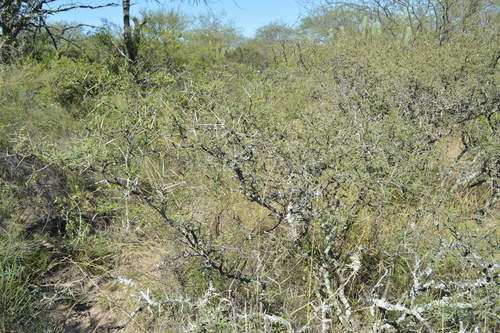
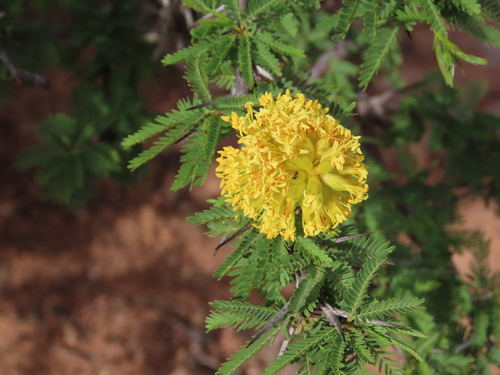
Glycyrrhiza uralensis
Fisch. ex DC.
Chinese licorice, Manchurian liquorice
iNaturalist· cc-by
(c) Nina Filippova, some rights reserved (CC BY), uploaded by Nina Filippova
iNaturalist· cc-by-nc
(c) Алексей Эбель, some rights reserved (CC BY-NC), uploaded by Алексей Эбель
iNaturalist· cc-by-nc
(c) Daba, some rights reserved (CC BY-NC), uploaded by Daba
Summary
Source: WikipediaGlycyrrhiza uralensis, also known as Chinese liquorice, is a flowering plant native to Asia. It is used as a sweetener and in traditional Chinese medicine.
Description
An erect herb. It grows 40-100 cm high and spreads 30-60 cm wide. It keeps growing from year to year. The underground stems or rhizomes are branched. The leaves are divided into leaflets along the stalk. The leaves are 10-25 cm long. The flowers are violet and white. They are in dense compact spikes 7 cm long. The fruit are oblong and curved pods. They are 4 cm long.
Edible Uses
The fibrous root serves as a sweetener, boiled in water to extract its sugars for use as a liquorice substitute in sweets, medicines, and drinks. The root contains glycyrrhizin, which is 50 times sweeter than sugar.
Traditional Uses
The roots are used as a sweetener for food. It should only be used in small amounts. The roots can be toxic.
This uses section is brief — help expand it
Medicinal Uses
Gan Cao is a well-established herb in Chinese medicine, ranked second in importance only to Ginseng (Panax spp.) and counted among the 50 fundamental herbs. The root is a sweet tonic that stimulates corticosteroidal hormones, neutralizes toxins, and balances blood sugar levels. It is also antibacterial, anti-inflammatory, antiphlogistic, antispasmodic, antitussive, cholagogue, demulcent, emollient, expectorant, and laxative. Internally it is used for Addison's disease, asthma, coughs, and peptic ulcers; externally for acne, boils, and sore throats. It is included in almost all Chinese herbal formulae, where it is said to harmonize the effects of other ingredients. It precipitates many compounds and is considered unsuitable for use alongside herbs such as Daphne genkwa, Euphorbia pekinensis, and Corydalis solida. It increases the toxicity of compounds including ephedrine, salicylates, adrenaline, and cortisone. It should not be prescribed for pregnant women or those with high blood pressure, kidney disease, or anyone taking digoxin-based medications. Excessive doses cause water retention and high blood pressure, and it can cause impotence in some people. Roots are harvested in early autumn, preferably from plants 3–4 years old, and dried for later use. The flowers are alterative and expectorant. Used in excess, the root can cause cardiac dysfunction and severe hypertension.
Known Hazards
Liquorice root contains glycyrrhizin, which may affect blood pressure, blood potassium levels or have untoward effects during pregnancy. Overuse of licorice may induce weakness, headache, blurred vision, nosebleed, anxiety, or shortness of breath. Other common side effects may include missed menstrual periods, fluid retention or sexual problems in men. More serious instances of overuse can lead to hypertension and hyperaldosteronism, which may require hospitalization.
Distribution
It is a temperate plant. It is hardy to frosts. In north China it grows on sandy land and dry riverbanks between 400-2,700 m above sea level. It suits hardiness zones 5-9.
Where It Grows
Afghanistan, Asia, Australia, Central Asia, China, Europe, India, Japan, Kazakhstan, Korea, Kyrgyzstan, Mongolia, Pakistan, Russia, Siberia, Tajikistan, Tasmania,
Cultivation
Requires a deep well cultivated fertile moisture-retentive soil for good root production. Prefers a sandy soil with abundant moisture. Slightly alkaline conditions produce the best plants. Plants are hardy to at least -15°c. This species is widely cultivated in China as a medicinal plant. Unless seed is required, the plant is usually prevented from flowering so that it puts more energy into producing good quality roots. A very deep-rooted plant, it can be difficult to eradicate once it is established. This species has a symbiotic relationship with certain soil bacteria, these bacteria form nodules on the roots and fix atmospheric nitrogen. Some of this nitrogen is utilized by the growing plant but some can also be used by other plants growing nearby.
Propagation
Pre-soak seed for 24 hours in warm water, then sow in spring or autumn in a greenhouse. Prick out seedlings into individual pots when large enough to handle and grow on through their first winter under cover. Plant out in late spring or early summer during active growth. Plants are rather slow to grow from seed. Alternatively, divide the root in spring or autumn, ensuring each division has at least one growth bud. Autumn divisions can be replanted immediately or stored in clamps until spring. Smaller divisions are best potted up and grown on in a cold frame until established before planting out in spring or summer.
Other Uses
After its medicinal and flavouring compounds have been extracted, liquorice root is used in fire extinguishing agents, as insulation in fibreboards, and as a compost for growing mushrooms. It also acts as a nitrogen fixer and dynamic accumulator, gathering minerals from the soil and storing them in a more bioavailable form for use as fertilizer or mulch improvement.
Notes
There are about 18 Glycyrrhiza species. This one has a glycyrrhizin content of 24%. It has anticancer properties.
Synonyms
Also Known As
Gan Cao
References (17)
- Bremness, L., 1994, Herbs. Collins Eyewitness Handbooks. Harper Collins. p 175
- Brown, D., 2002, The Royal Horticultural Society encyclopedia of Herbs and their uses. DK Books. p 224
- Burkill, I.H., 1966, A Dictionary of the Economic Products of the Malay Peninsula. Ministry of Agriculture and Cooperatives, Kuala Lumpur, Malaysia. Vol 1 (A-H) p 1104
- Facciola, S., 1998, Cornucopia 2: a Source Book of Edible Plants. Kampong Publications, p 105
- Flora of Pakistan. www.eFloras.org
Show all 17 references Hide references
- Hibbert, M., 2002, The Aussie Plant Finder 2002, Florilegium. p 112
- Hu, Shiu-ying, 2005, Food Plants of China. The Chinese University Press. p 475
- Jackes, D. A., Edible Forest Gardens
- Kintzios, S. E., 2006, Terrestrial Plant-Derived Anticancer Agents and Plant Species Used in Anticancer research. Critical Reviews in Plant Sciences. 25: pp 79-113
- Lyle, S., 2006, Discovering fruit and nuts. Land Links. p 231
- Plants for a Future database, The Field, Penpol, Lostwithiel, Cornwall, PL22 0NG, UK. http://www.scs.leeds.ac.uk/pfaf/
- Prodr. 2:248. 1825
- Seidemann J., 2005, World Spice Plants. Economic Usage, Botany, Taxonomy. Springer. p 170
- Tanaka,
- Urgamal, M., Oyuntsetseg, B., Nyambayar, D. & Dulamsuren, Ch. 2014. Conspectus of the vascular plants of Mongolia. (Editors: Sanchir, Ch. & Jamsran, Ts.). Ulaanbaatar, Mongolia. “Admon“ Press. 334pp. (p. 121-143).
- van Wyk, B., 2005, Food Plants of the World. An illustrated guide. Timber press. p 202
- Zhang, Y. et al, 2020, Characteristics and utilization of plant diversity and resources in Central Asia. Regional Sustainability. Elsevier. p 6