Grona adscendens
(Sw.) H. Ohashi & K. Ohashi
iNaturalist· cc-by-nc
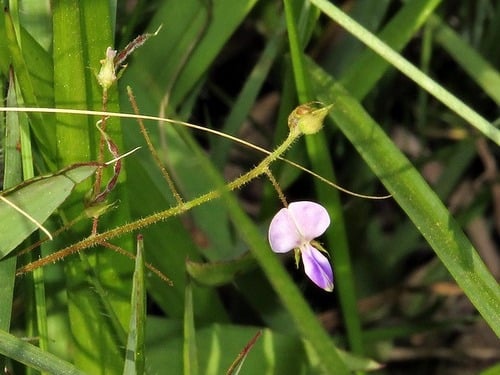
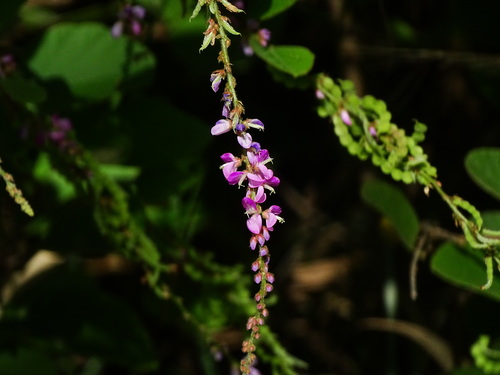
(c) Aniruddha Singhamahapatra, some rights reserved (CC BY-NC), uploaded by Aniruddha Singhamahapatra
iNaturalist· cc-by-nc-sa
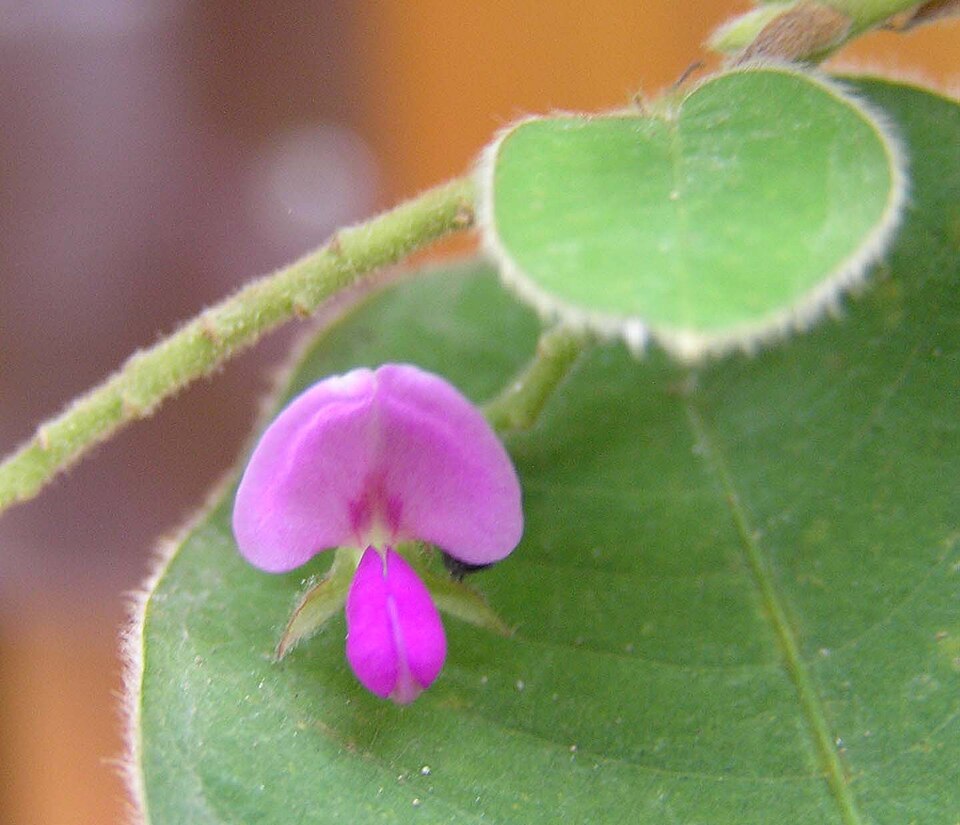
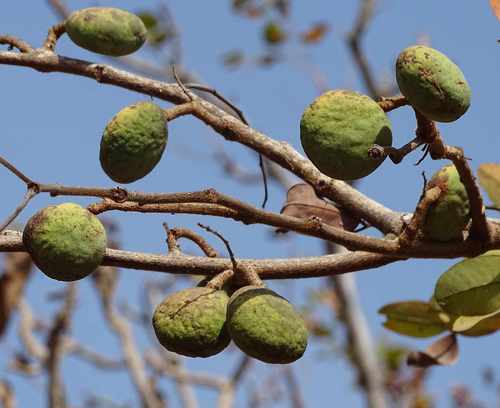
(c) Mateo Hernandez Schmidt, some rights reserved (CC BY-NC-SA), uploaded by Mateo Hernandez Schmidt
Description
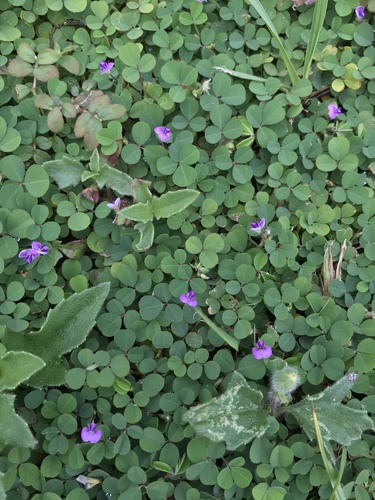
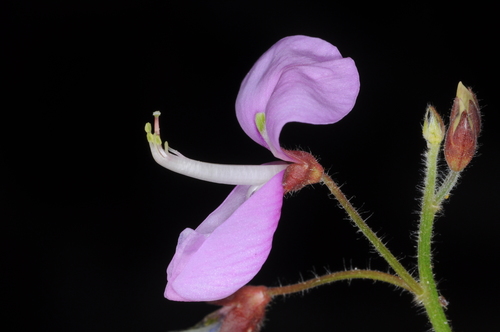
A herb. It lies along the ground and forms roots at the nodes. It can be 1 m long. The leaves have 3 leaflet stalks with leaflets 5.5 cm long by 3.5 cm wide. The flowers are in a loose group at the ends of branches. It grows 2-11 cm long. The fruit are 20-25 mm long.
Medicinal Uses
The plant has a rich history of medicinal use in tropical America, going back long before the arrival of the Europeans. It is still commonly used to treat a wide range of conditions, many of these uses having also been adopted in modern herbalism. In particular, it is highly valued in the treatment of asthma and allergies, and for the relief of muscle spasms and back pain. The plant is rich in a range of bioactive compounds, including flavonoids, alkaloids, and soyasaponins. Clinical trials have shown the plant’s effectiveness in the treatment of bronchial asthma, in part due to the compound dehydrosoyasaponin. It has been shown that 1 to 2 teaspoons of the dried leaf powder taken daily in three doses, produces improvement and remission in most asthma patients treated. The plant works by interfering with the production of many of the chemicals normally produced during an asthma attack, especially spasmogens, histamines and leukotrienes. The leaf may also have an anti-anaphylactic action, giving protection against those substances that can cause severe allergic reactions. Astragalin, an antibacterial found in the popular medicinal plant astragalus, is also present, probably accounting for the plant’s traditional uses in treating infections, venereal diseases, and wounds. The plant is analgesic, antiasthmatic, antiinflammatory, antispasmodic, antitussive, bronchodilator, digestive, galactagogue, laxative, nervine, vermifuge and vulnerary. A tea of the plant is given as a treatment for nervousness and eczema The entire plant is soaked in rum for 24 hours, and then 1/4 cup is taken three times daily for seven to ten days as a treatment for backaches and to strengthen the kidneys. Alternatively, an entire plant is boiled in 3 cups of water for 10 minutes, and 1 cup of warm tea is taken before meals for three to five days for relief of backache, muscle pains, kidney ailments, and impotence. A decoction is used as a laxative and to treat convulsions, and to soothe urinary disorders in cases of venereal diseases. The plant is used in baths to treat vaginal infections. A leaf decoction is used as an aid to digestion and also in the treatment of TB, diarrhoea and venereal diseases. The dried leaves are used for the treatment of asthma, body aches and pains, excessive urination, excessive mucus, and diarrhoea. A leaf decoction is a popular remedy for bronchial asthma, constipation, dysentery, and colic. A leaf tea is used as a blood cleanser; to detoxify the body from environmental toxins and chemicals; as a urinary tract cleanser; and to treat ovarian and uterine problems such as inflammation and irritation, vaginal discharges, and haemorrhages. A decoction of the leaves is used as a wash on the breasts of mothers in order to promote milk flow. An application of pounded leaves and lime juice is applied to wounds. A decoction of the dried roots is a popular tribal remedy for malaria.
Distribution
It is a tropical plant. It grows up to 1,350 m above sea level,
Where It Grows
Africa, Bolivia, Brazil, Cameroon, Cuba, Mexico, Myanmar, SE Asia, South America, Uganda, West Indies, and several others
Cultivation
The plant has become a weed in many areas of the tropics and is often considered to be invasive. Because of the abundant small uncinate hairs on most species, the seedpods cling most tenaciously to clothing, to any part of the human body, and also to the feathers and hair of various animals, thus ensuring a wide dispersal of the plants. Plants can flower and produce fruit all year round. This species has a symbiotic relationship with certain soil bacteria; these bacteria form nodules on the roots and fix atmospheric nitrogen. Some of this nitrogen is utilized by the growing plant but some can also be used by other plants growing nearby.
Propagation
Seed - best sown as soon as it is ripe. Stored seed develops a hard seedcoat and may benefit from scarification before sowing in order to speed up and improve germination. This can usually be done by pouring a small amount of nearly boiling water on the seeds (being careful not to cook them!) and then soaking them for 12 - 24 hours in warm water. By this time they should have imbibed moisture and swollen - if they have not, then carefully make a nick in the seedcoat (being careful not to damage the embryo) and soak for a further 12 hours before sowing. The seed usually germinates within 1 - 4 months at 25°c. Prick out the seedlings into individual pots once they are large enough to handle and grow them on until large enough to plant out. Cuttings of half-ripe wood with a heel. Division. Larger clumps can be replanted direct into their permanent positions, though it is best to pot up smaller clumps and grow them on until they are rooting well. Root cuttings.
Other Uses
An extract of the flowers, leaves and stems is used as an ingredient in commercial cosmetic preparations as a skin conditioner. The plant is often used as a cover crop and a green manure in various plantations, including tea, coffee, oil-palm, clove and coconut. Its resistance to root-knot nematodes may prove useful in Desmodium breeding programmes.
Synonyms
References (1)
- World Checklist of Useful Plant Species 2020. Royal Botanic Gardens, Kew