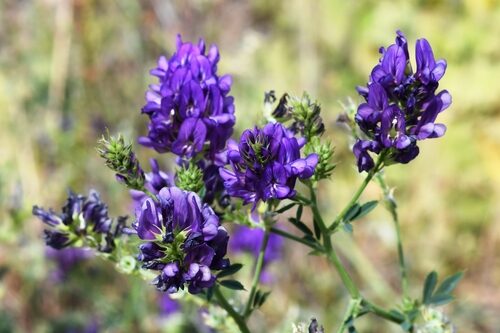
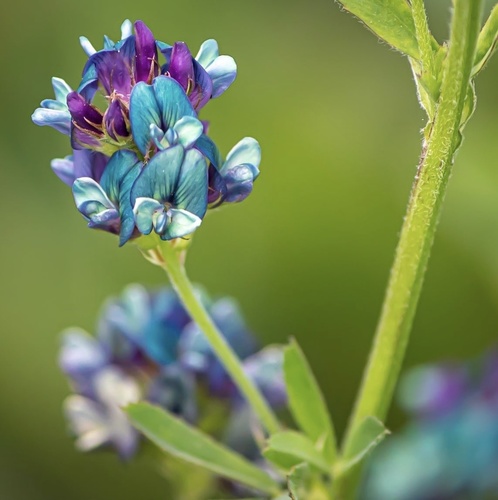
Griffonia simplicifolia
(Vahl ex DC.) Baill.
iNaturalist· cc0
no rights reserved, uploaded by Jean-Paul Boerekamps
iNaturalist· cc0
no rights reserved, uploaded by Jean-Paul Boerekamps
Summary
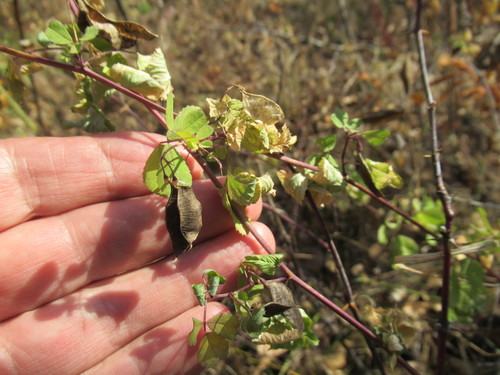
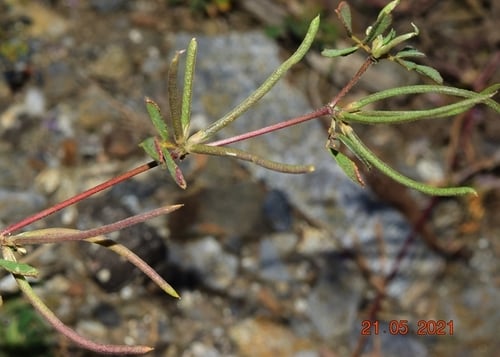
Source: WikipediaGriffonia simplicifolia (syn. Bandeiraea simplicifolia Benth.) is a woody climbing shrub native to West Africa and Central Africa. It grows to about 3 m, and bears greenish flowers followed by black pods.
Description
An evergreen climbing vine reaching 3 m in height with a 0.4 m spread, growing at medium rate. Hardy to UK zone 10. Suited to light sandy, medium loamy, and heavy clay soils with good drainage across mildly acidic to basic pH ranges. Requires full sun and prefers moist soil.
Edible Uses
The leaves are used in the production of palm wine, giving it a bitter taste. Sap that exudes from cut stems can be drunk to quench thirst. The stems are baked and chewed.
Medicinal Uses
The pulped bark is applied to syphilitic sores. A leaf decoction is used as an emetic, cough medicine, and aphrodisiac. Leaf sap is drunk or applied as an enema to treat kidney problems, and used as eye drops to treat inflamed eyes. A paste made from the leaves is applied to burns. A decoction of stems and leaves is taken as a purgative to treat constipation and used externally as an antiseptic wash for suppurating wounds. Chewing the stems is claimed to produce an aphrodisiac effect. A paste of stems and stem bark is applied to decaying teeth. Powdered twig bark combined with lemon juice and Capsicum pepper is applied to scarifications to treat intercostal pain. An extract from powdered roots has been used to treat sickle cell anaemia. The seeds are a commercial source of 5-hydroxytryptophan (5-HTP), a serotonin precursor that increases serotonin synthesis in the central nervous system and has been shown effective in treating depression, fibromyalgia, obesity, chronic headaches, and insomnia. The leaves contain a volatile oil and coumarins. The cyanoglucoside lithospermoside (also called griffonin), isolated from the roots, is the active ingredient against sickle-cell anaemia. Isolectin B4, isolated from this plant, is used as a marker of small primary sensory neurons in neurological research.
Distribution
It is a tropical plant. It grows in the grass savannah in West Africa.
Where It Grows
Africa, Benin, Central Africa, Congo, Côte d'Ivoire, Ghana, Ivory Coast, Liberia, Nigeria, Togo, West Africa,
Cultivation
Although many species within the family Fabaceae have a symbiotic relationship with soil bacteria, this species is said to be devoid of such a relationship and therefore does not fix atmospheric nitrogen.
Propagation
Propagation from seed has given poor results, and different seed treatments do not significantly improve germination, though fungicide treatment of the seed appeared beneficial for establishment. In productivity trials, wildlings were successfully used as planting material, though this is impractical at a larger scale. Stem cuttings have not proven successful.
Other Uses
Leaves are placed in chicken pens to kill lice. The roots are chewed and dried to produce a white powder used by women as a face powder. A black dye is obtained from the leaves. The stems are used to make baskets and cages, and can be beaten into fibres used as chewing sponges for tooth cleaning. The stems and roots are also used as chew-sticks to clean teeth and maintain gum health and oral hygiene. The seeds contain 5-HTP, which is toxic to bruchid beetles (Callosobruchus maculatus). The seeds contain several lectins, including one of the acetylglucosamine group — rare in Fabaceae though common in Poaceae and Solanaceae — some of which have insecticidal properties. The pods are made into toy whistles and spoons. The wood is hard and fairly tough; it can be bent and, once shaped, is used for making walking sticks.
Synonyms
Also Known As
Boogra, Borokotoa, Eggo, Kadia
References (4)
- Bongers, F. et al (Eds), Forest Climbing Plants of West Africa: Diversity, Ecology and Management. CABI
- Burkill, H. M., 1985, The useful plants of west tropical Africa, Vol. 3. Kew.
- Udo, E. S., et al, 2009, Life-form and Density of Valuable Non-timber Plants in Ukpom Community Forest, Akwa Ibom State, Nigeria. African Research Review 3(3) p 7 (As Bandeiraea simplicifolia)
- World Checklist of Useful Plant Species 2020. Royal Botanic Gardens, Kew